
Start with your current stage
Exploring IVF for the first time
Review costs and appointment planning. Leave decisions about additional tests to the treating clinician.
Read the guide →02You already have test results
Keep complete reports, dates, units and previous treatment records together for review.
Read the guide →03You have stored embryos
Ask the sending and receiving clinics to confirm acceptance, documentation and handover before arranging transport.
Read the guide →04A previous cycle did not go as hoped
Gather stimulation, fertilisation, embryo development and transfer records for a focused review.
Read the guide →Costs, clinical questions and cross-border arrangements
Each guide addresses a distinct question. When comparing destinations, check the conditions relevant to your own treatment and circumstances.
 01
Costs and written quotes
Compare medical care, medication, laboratory work, storage and travel separately. Published prices have collection dates; request a current written quote.
Read the guide → 02
Comparing success rates
Separate outcomes per transfer, per egg collection and cumulative live birth. Check age, egg source and patient mix.
Read the guide → 03
PGT-A, PGT-M and PGT-SR
These tests address different questions. Discuss the purpose, indication, limitations and interpretation before deciding.
Read the guide → 04
AMH and ovarian reserve
Bring the original AMH report and previous records. Review the distinction between low AMH and ovarian insufficiency.
Read the guide → 05
Semen reports and male fertility
Organize collection details, the full report and previous fertilisation results for the clinician.
Read the guide → 06
Cross-border embryo transport
Check laboratory acceptance, records, inventories, transport arrangements, temperature logs and handover.
Read the guide →Reading by test and treatment stage
Use these topics to review a specific report or treatment stage.
 01
Common karyotype polymorphisms
Report terminology, cited evidence and questions for genetic counseling.
Read the guide → 02
Trigger timing and retrieval interval
Research and consultation questions about follicle size, trigger timing and retrieval records.
Read the guide → 03
Entry criteria for an HRT cycle
Reading on endometrial, hormonal and ovulation assessment before cycle entry.
Read the guide →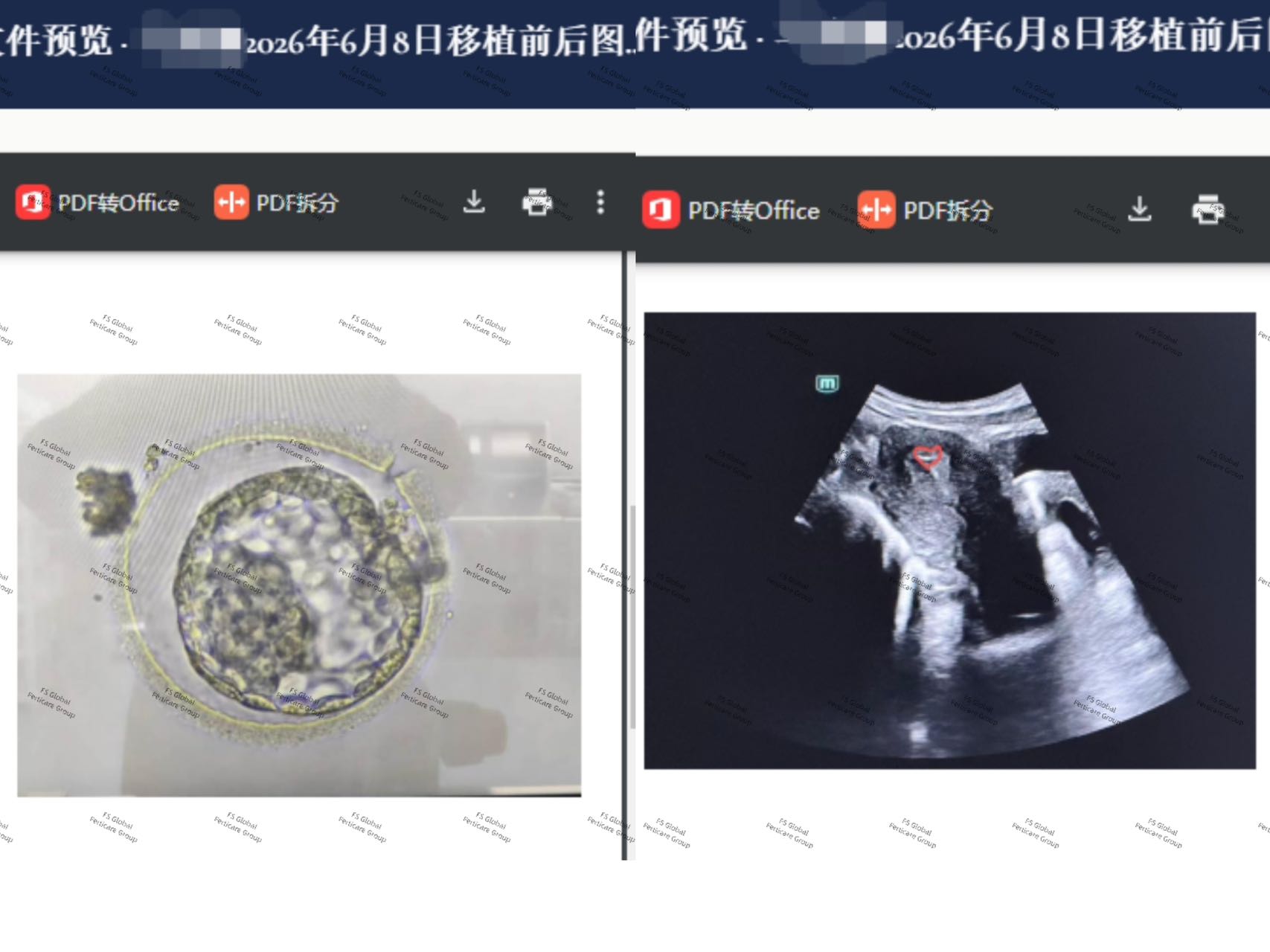 04
A blood-test and ultrasound record
Compare four dated blood tests and a later ultrasound with the source images and documented endpoint.
Read the guide → 05
IVF with a cold or fever
Assess each stage separately: direct common-cold evidence is limited, while retrieval anaesthesia, genital infection, male fever and early pregnancy involve distinct questions.
Read the guide → 06
One blastocyst, abnormal PGT-A
Whole-chromosome, mosaic, segmental and inconclusive findings require different interpretations. Review the sampled cells, study endpoints and laboratory explanation before discussing storage, transfer and future treatment.
Read the guide →Four columns for a clinic comparison
Care team and regulation
Record the treating institution, licensing and oversight information, clinical team and relevant acceptance conditions.
Evidence and proposed care
Note the year, patient group and denominator behind outcome figures. Ask about reasons, alternatives and limitations.
Costs and changes
Check currency, validity, inclusions, extras, cancellation and postponement terms in writing.
Communication and follow-up
Confirm report language, interpretation, out-of-hours contacts and transfer of records after returning home.
What FS can help you organize
You can discuss appointment goals, document lists, questions about quotes and cross-border coordination with an adviser. The treating medical team determines tests, prescriptions and treatment schedules. Legal eligibility requires a separate review of your circumstances and destination.
For an initial discussion, share your region, treatment stage and main question. Confirm the recipient and secure transfer method before providing medical records.
Sources and editorial notes
Sources in this panel checked: 7 September 2026
The points checked are listed below. Other data and references retain their own dates and scope.
- HFEA · Fertility treatment abroad
Check regulation, an itemised written quote and follow-up care before treatment abroad. HFEA guidance helps prepare questions; it does not validate current overseas prices or place overseas clinics under UK regulation.
- HFEA · Fertility treatment abroad — success-rate comparisons
Compare age groups, patient selection, reporting year and pregnancy versus live-birth outcomes. Clinic averages do not predict an individual result.
- ASRM · PGT-A committee opinion (2024)
The 2024 committee opinion does not establish a benefit from routine PGT-A for every IVF patient. Limitations, embryo numbers and costs require individual discussion.
- ASRM · Ovarian reserve committee opinion (2020)
AMH and AFC primarily inform ovarian response and expected egg yield. A single marker cannot determine egg quality, natural fertility or access to IVF.
- AUA/ASRM · Male infertility guideline, Part I (2020)
Both partners should be assessed concurrently. Semen values above or below reference limits cannot alone establish fertility; history and repeat assessment may be needed. This paragraph cites general assessment principles from the 2020 edition, not a complete current treatment guideline.
- HFEA · Importing and exporting sperm, eggs and embryos
HFEA describes UK import/export arrangements through licensed clinics; not every clinic offers the service. Other destinations require separate checks of local rules and both laboratories’ acceptance conditions.
Compiled by FS Global Ferticare Group. Medical explanations draw on the public guidance listed here; individual test results and treatment arrangements should be discussed with the treating clinical team.
Author and responsibilities · Editorial policy and corrections