Prenatal checkup and delivery registration near the due date
 4
4
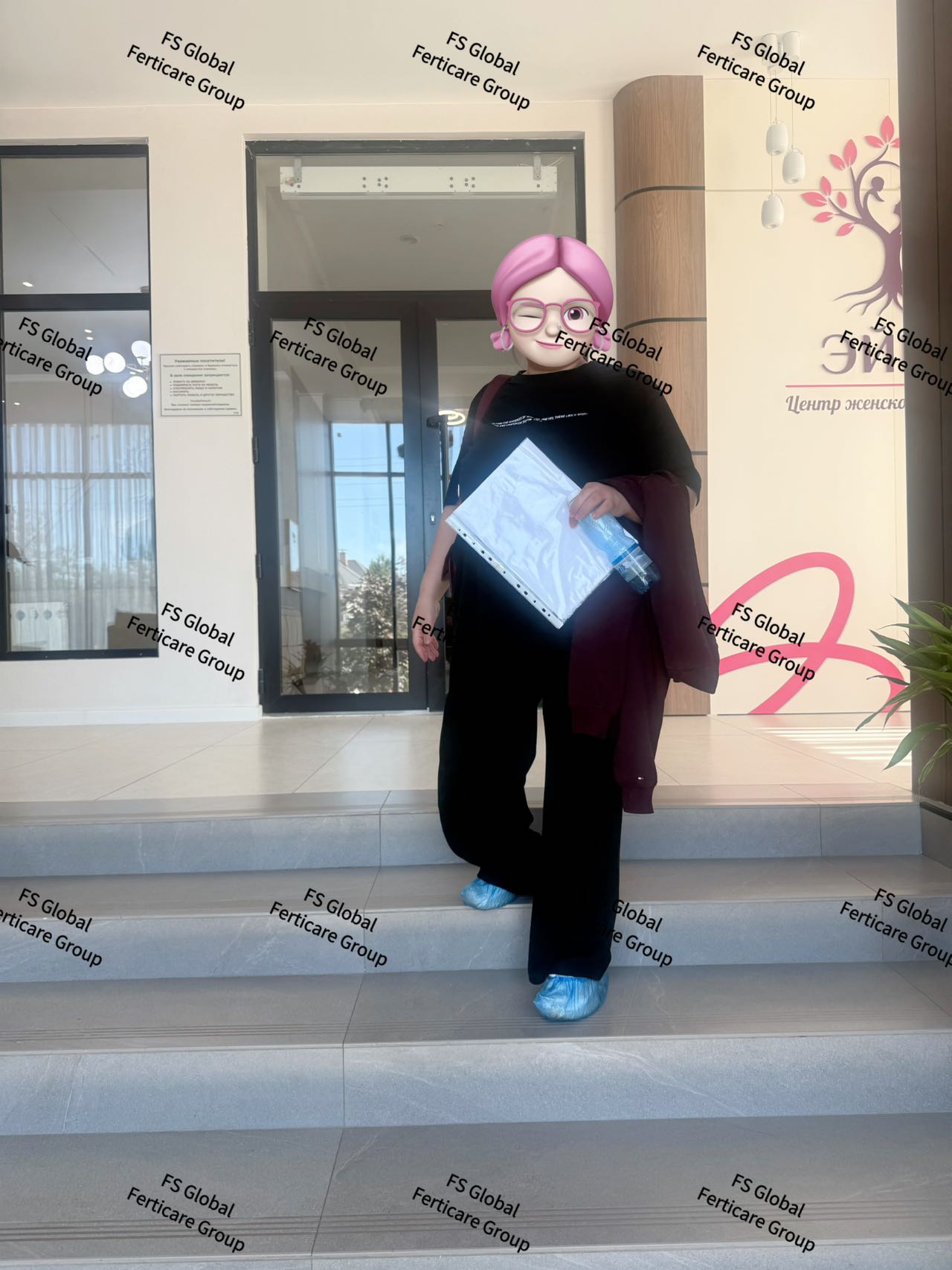
The day's prenatal checkup and delivery registration were completed before she left with her documents.
BishkekRead case
0 views
Clinic visits, pregnancy care and everyday support.
4
The day's prenatal checkup and delivery registration were completed before she left with her documents.
 6
6
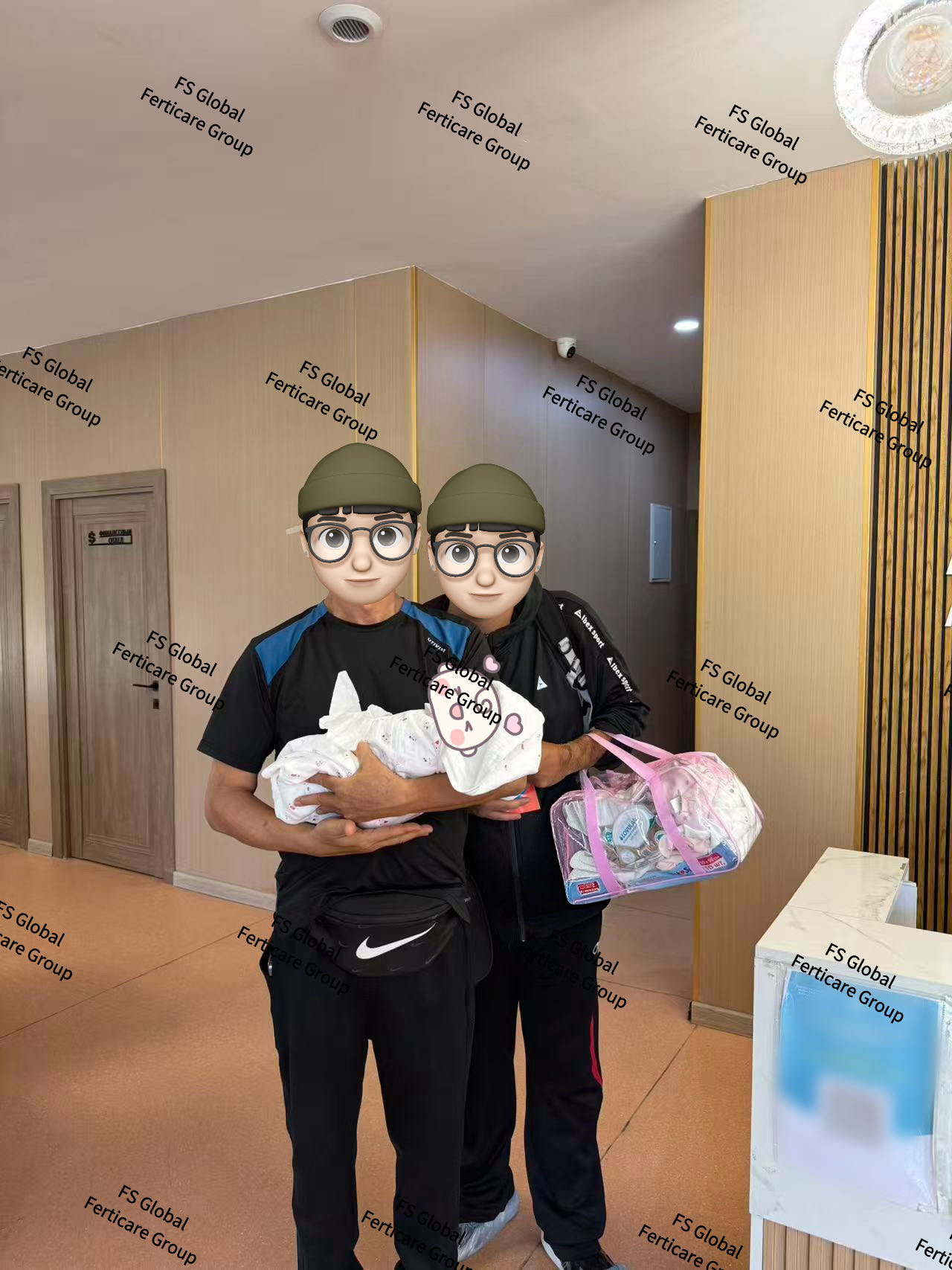
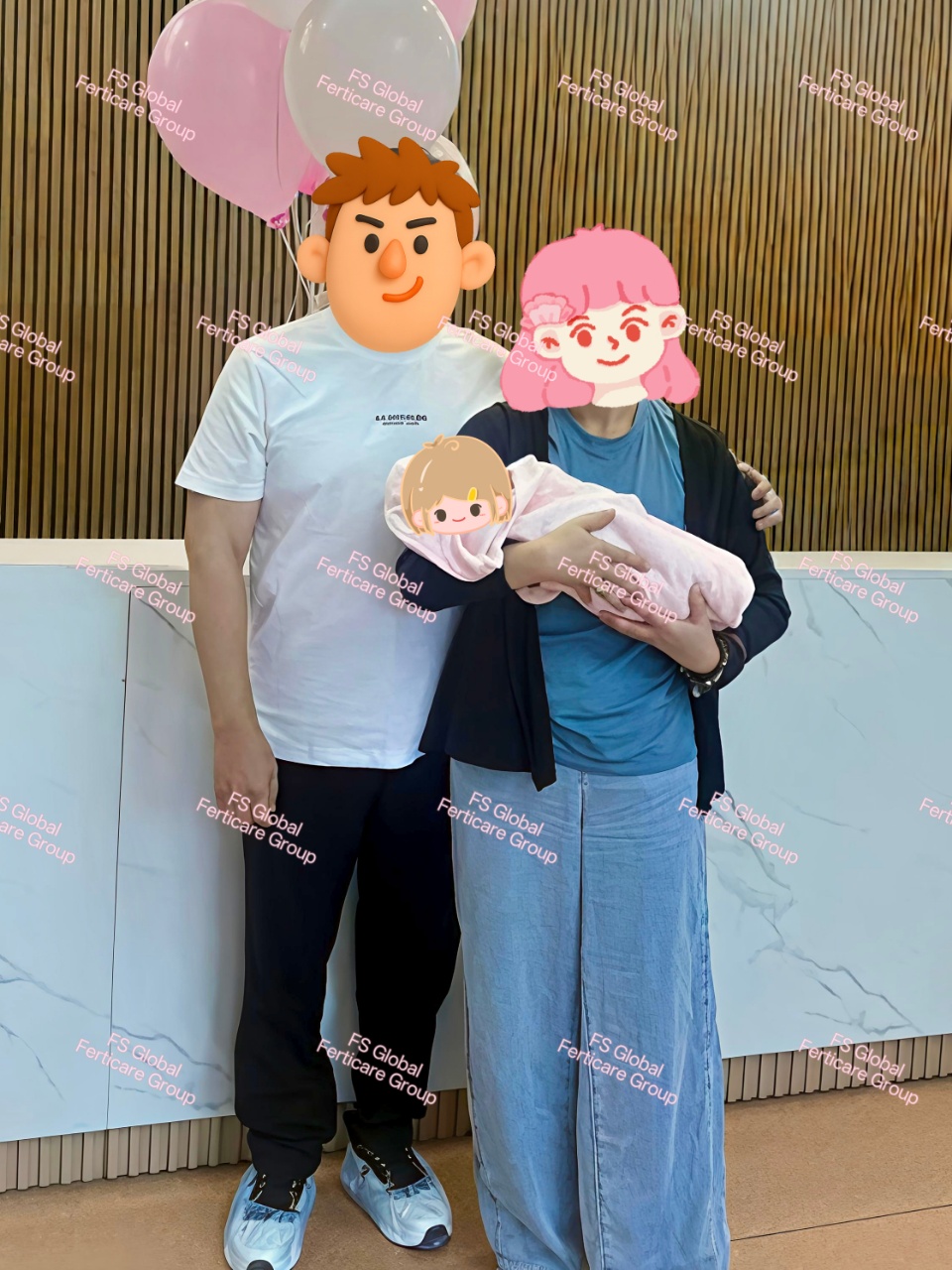
Discharge paperwork in the lobby, photographs holding the baby, and a bag of bottles, clothes and everyday supplies.
 4
4
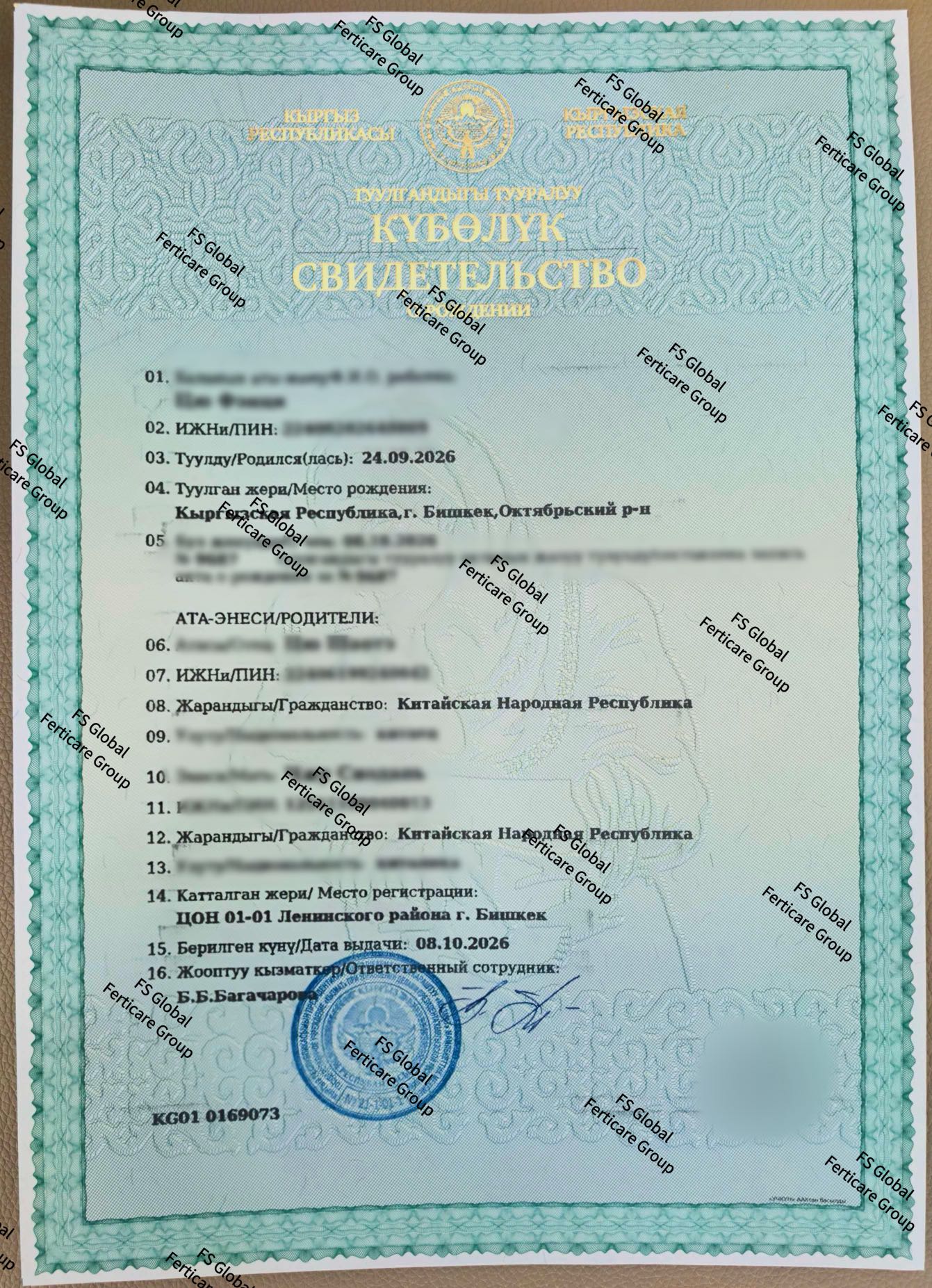
The issued certificate lists the baby's birth date, birthplace and the separate date of issue.
 5
5
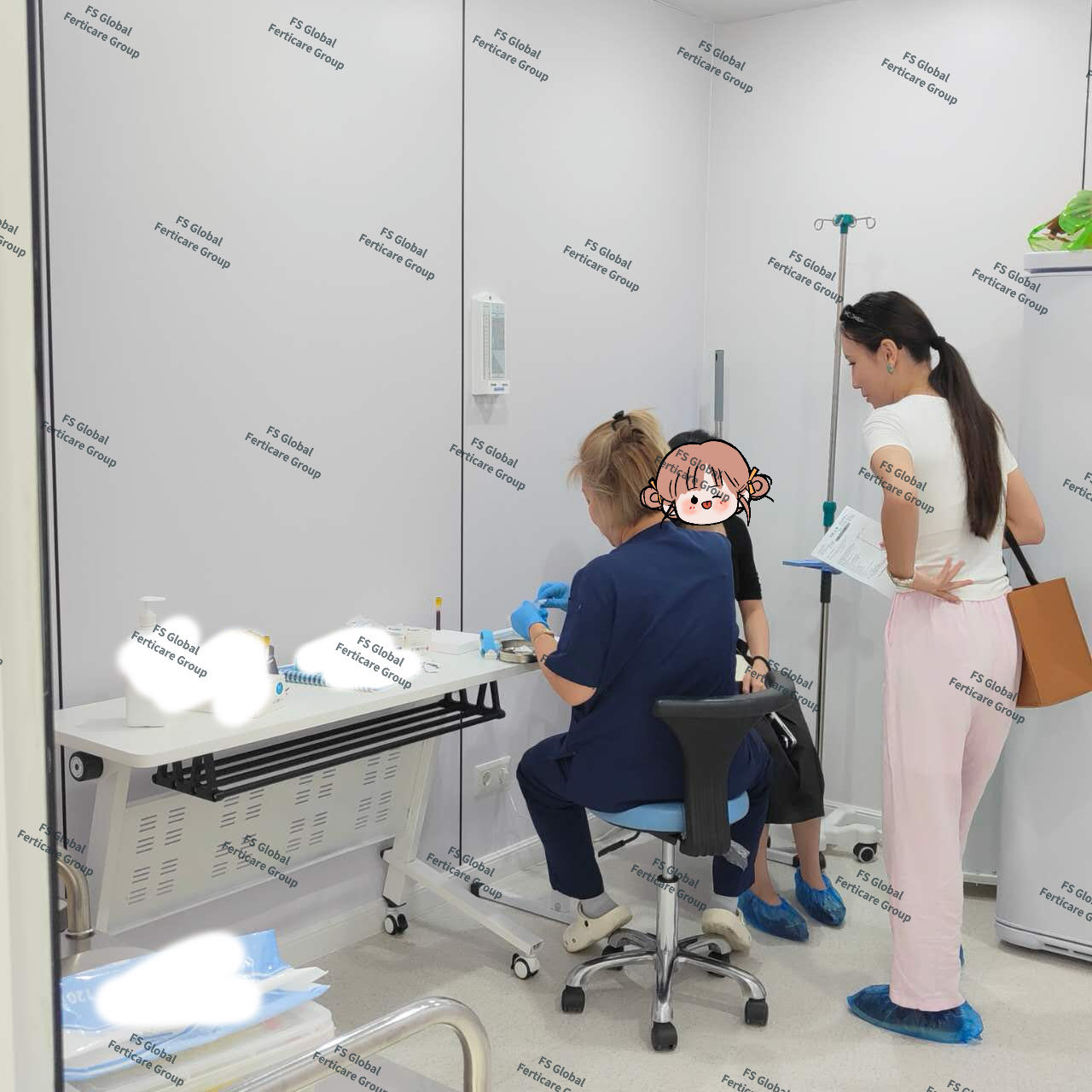
One set shows reception and blood-sampling preparation; the other shows a pregnant participant waiting for her appointment.
 4
4
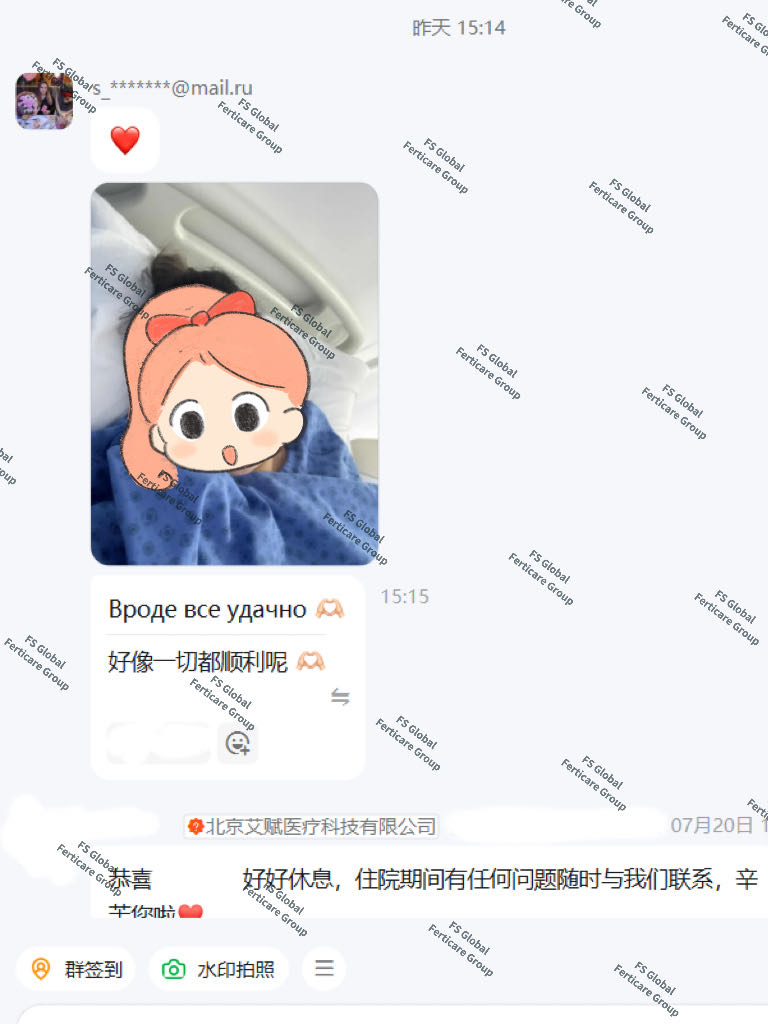
Birth news arrived during the night, followed by messages about bringing baby supplies to the hospital.
 5
5
Two pregnant participants visited the doctor separately to discuss their pregnancy.
 3
3
After stimulation, the participant met the doctor and signed the relevant agreements.
 4
4
The final payment was settled, followed by messages about travel expenses and rest.
 6
6
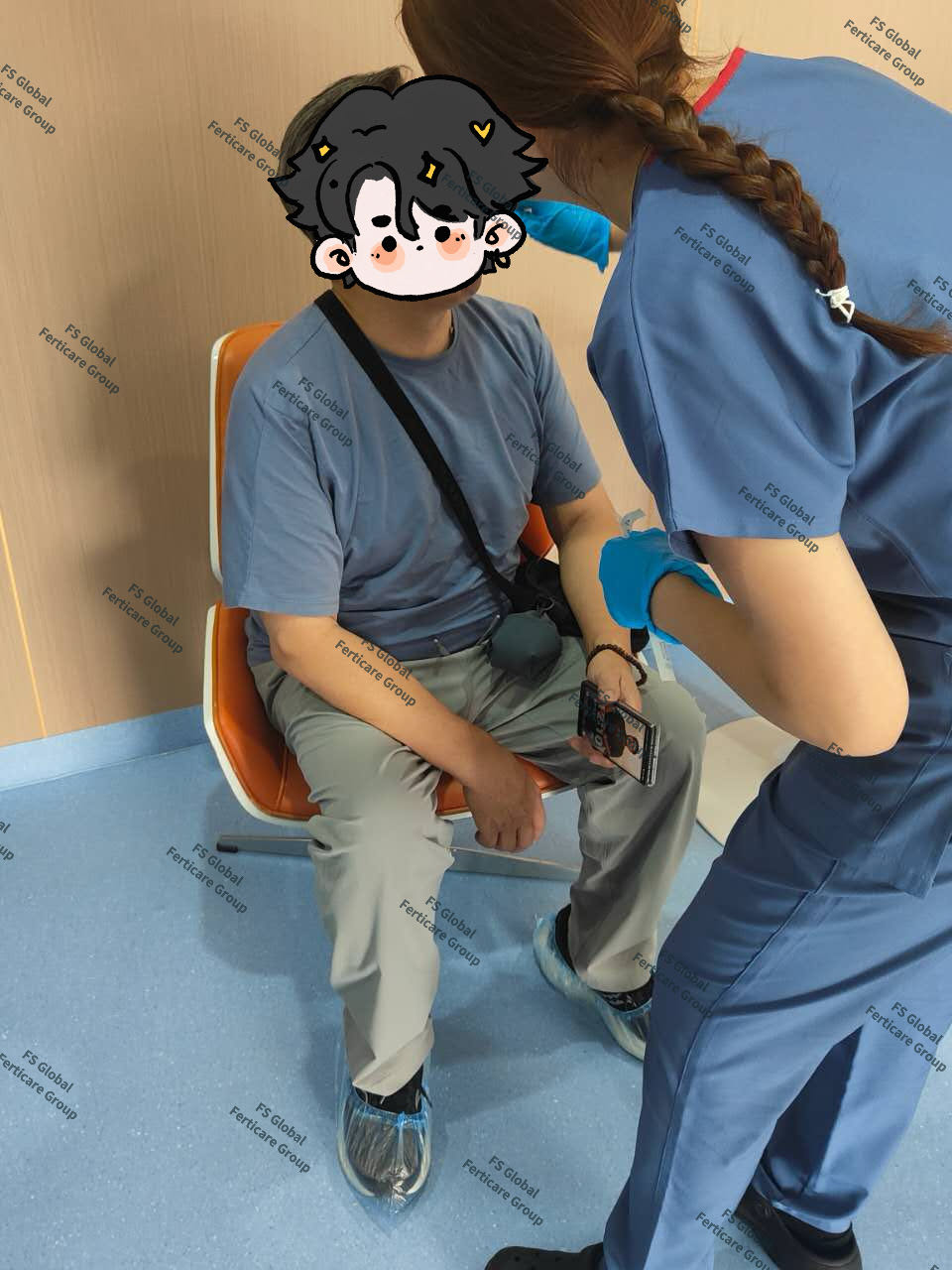
Oral swabs were collected from an adult and the baby, with FS staff present.
 4
4
On 27 September, staff met the client at Bishkek airport and accompanied them to their accommodation. Travel arrangements had been discussed in advance, and the next day's clinic appointment was agreed that day.
 5
5
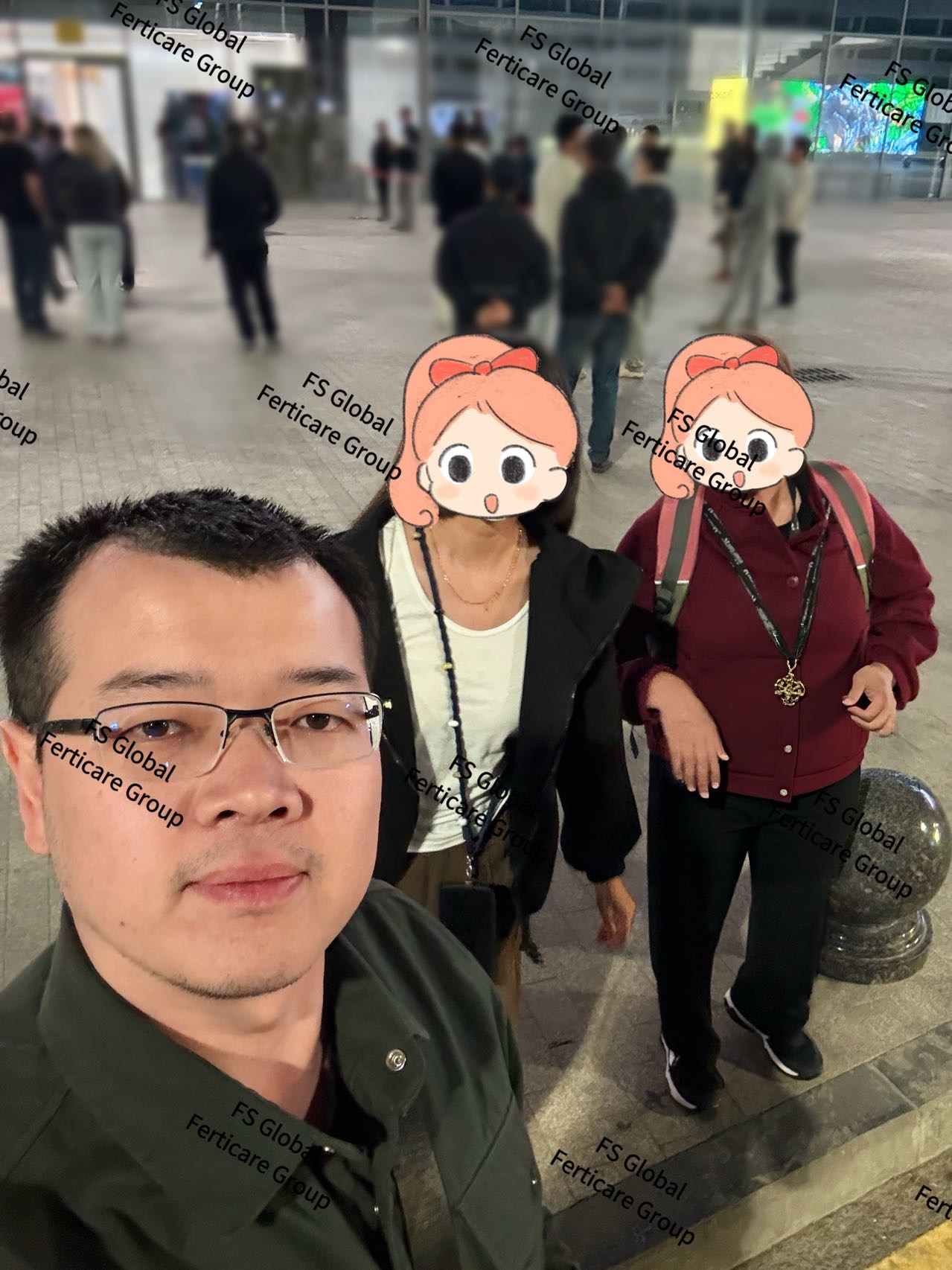
On the evening of 26 September, staff met the clients at the airport exit in Bishkek and accompanied them to their hotel. After check-in, messages covered the following day's clinic visit.
 4
4
On 25 September, the client visited the hospital after arriving in Bishkek the previous day. They spoke with the staff before undergoing the scheduled examinations and sample collection. FS staff accompanied them and helped with communication.
 5
5
On 24 September, staff coordinated the arrival time and airport exit by message, met the client after baggage collection and accompanied them to their accommodation. Their arrival at the hotel was confirmed in the group that evening.
 9
9
On 24 September, the clients waited at the hospital while staff stayed in contact with the delivery team. The baby's birth was confirmed that afternoon, and the birth information and photographs were sent to the clients.
 4
4
On 24 September, a participant arrived in Bishkek. Staff had shared the airport exit and meeting point in advance. They contacted each other again after landing and met in the arrivals area.
 6
6
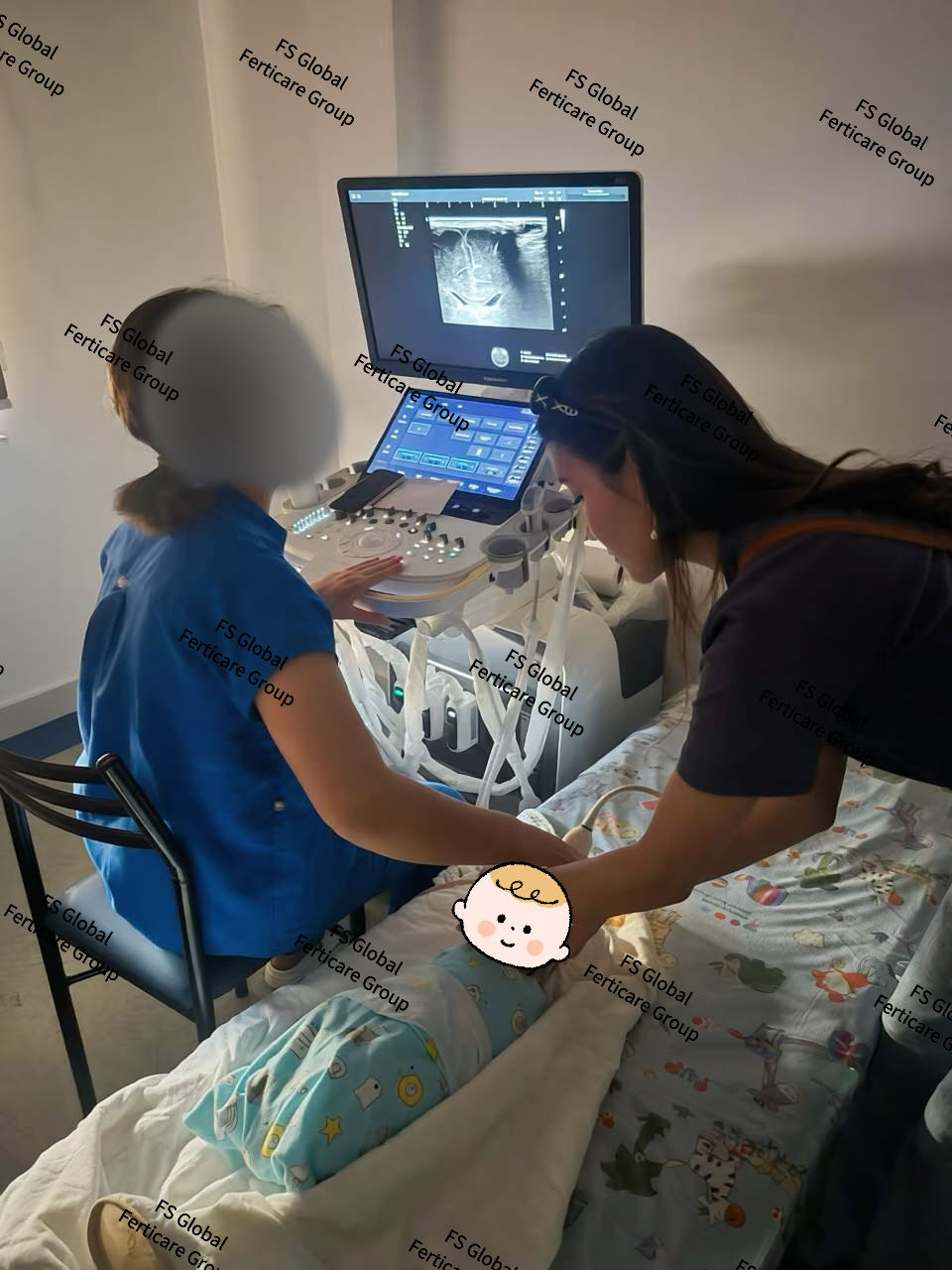
On 23 September, staff took the baby to a medical facility for examinations after birth. Medical staff carried out ultrasound and other checks, while the accompanying staff stayed with the baby throughout the visit.
 6
6
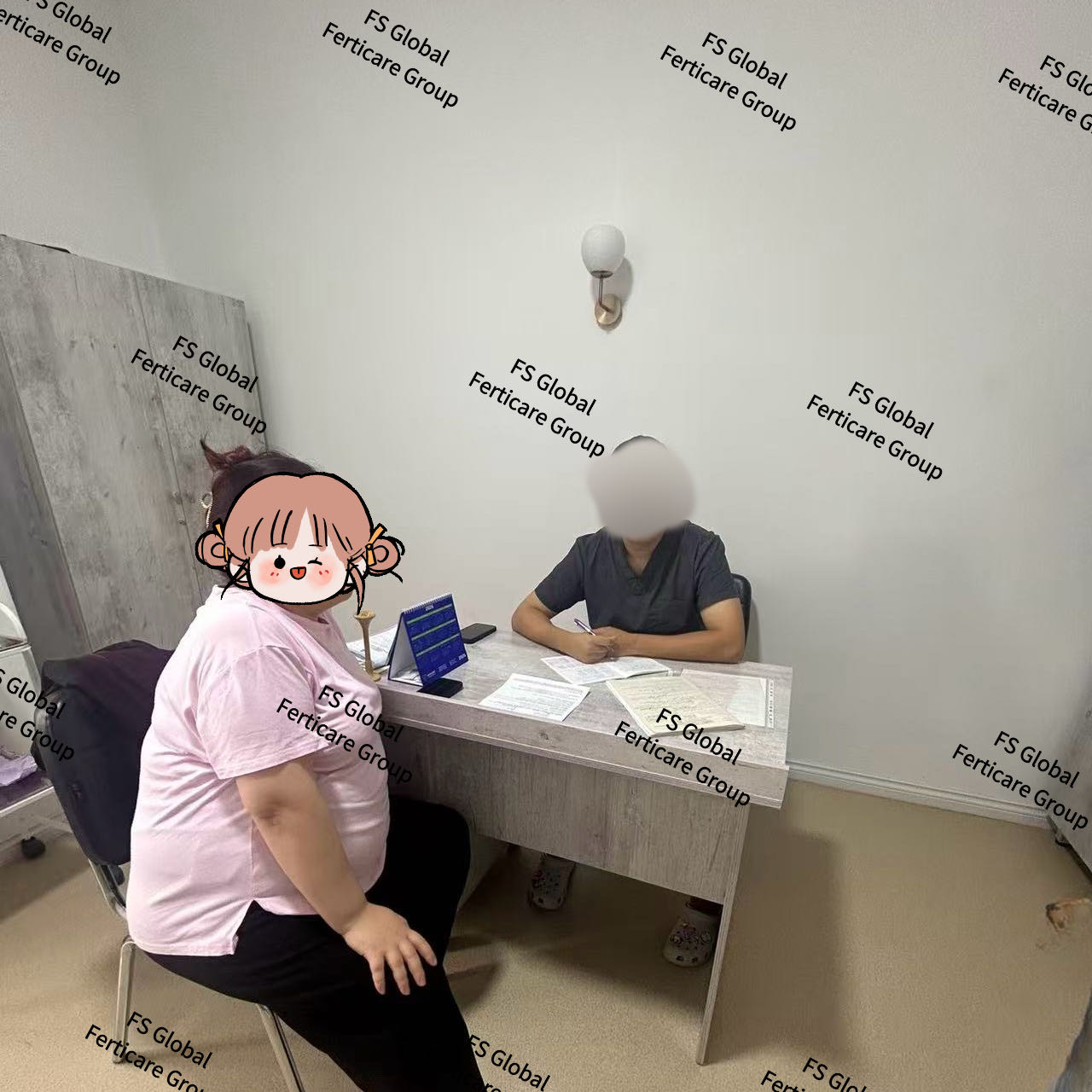
On 23 September, two pregnant participants attended separate prenatal appointments. Staff accompanied them during consultations and remained on site during the examinations to help with communication.
 6
6
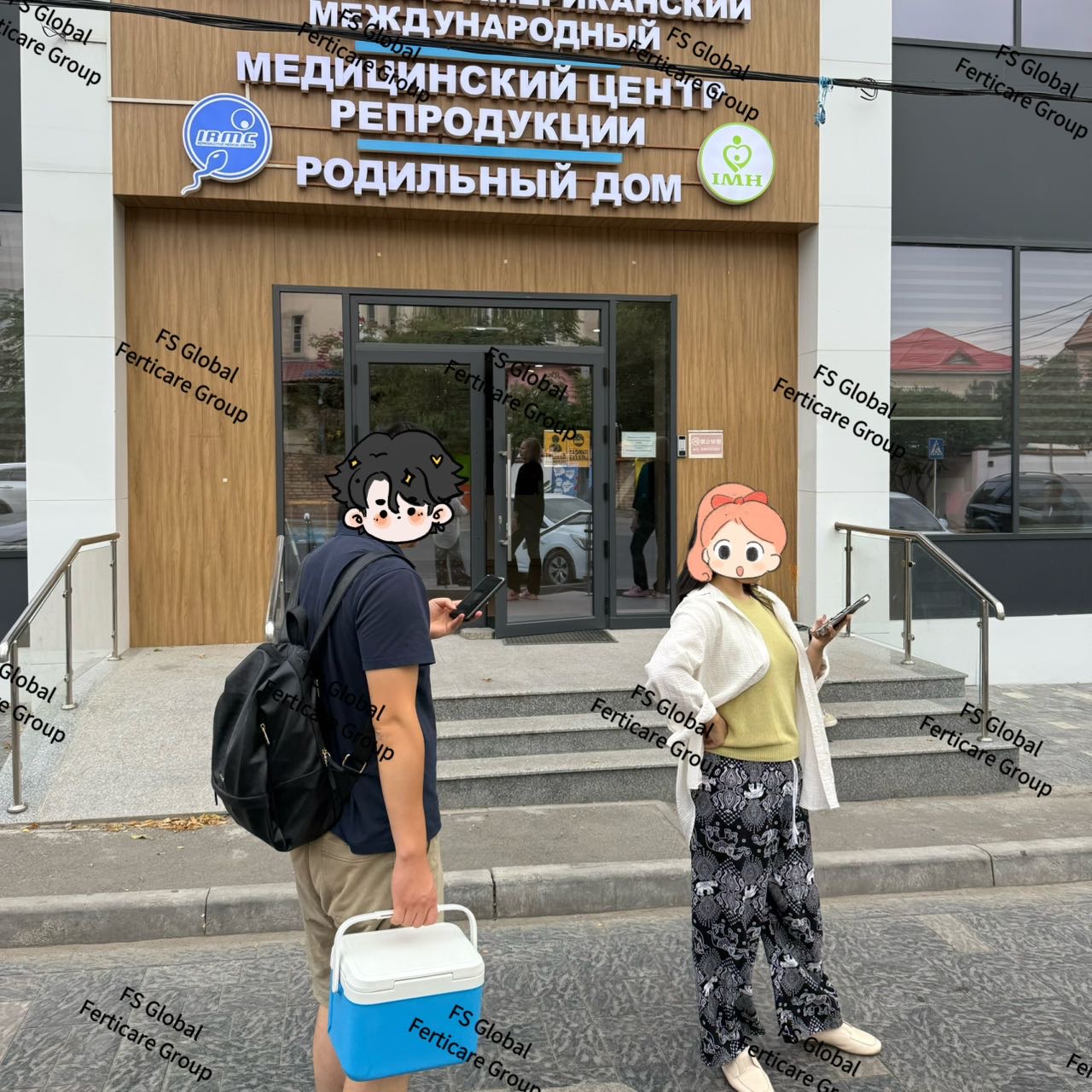
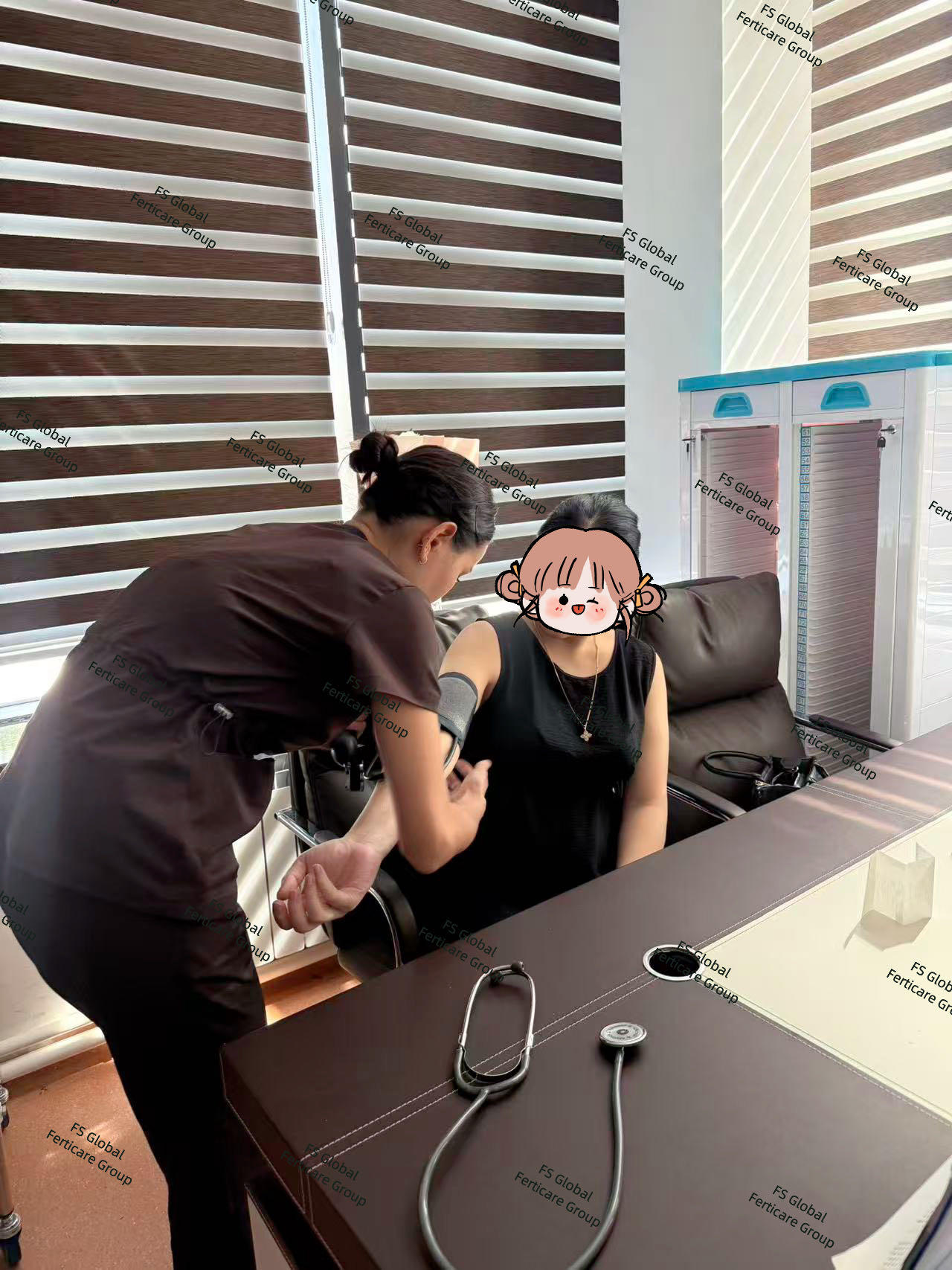
On 21 September, staff met the clients at the airport and accompanied them to meet the expectant mother. Maternity supplies were ready. Medical staff measured her blood pressure and completed the day's prenatal examination.
 8
8
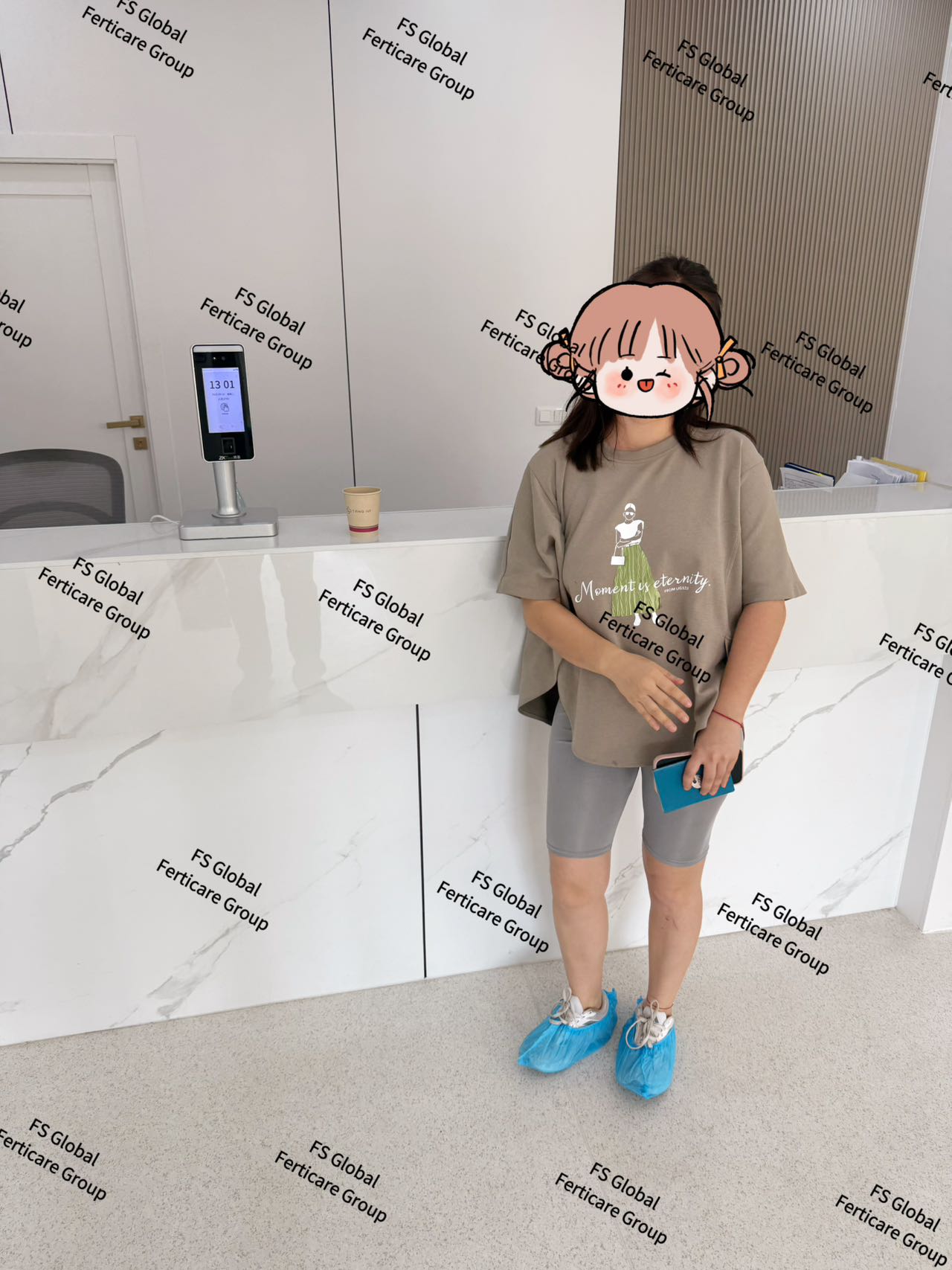
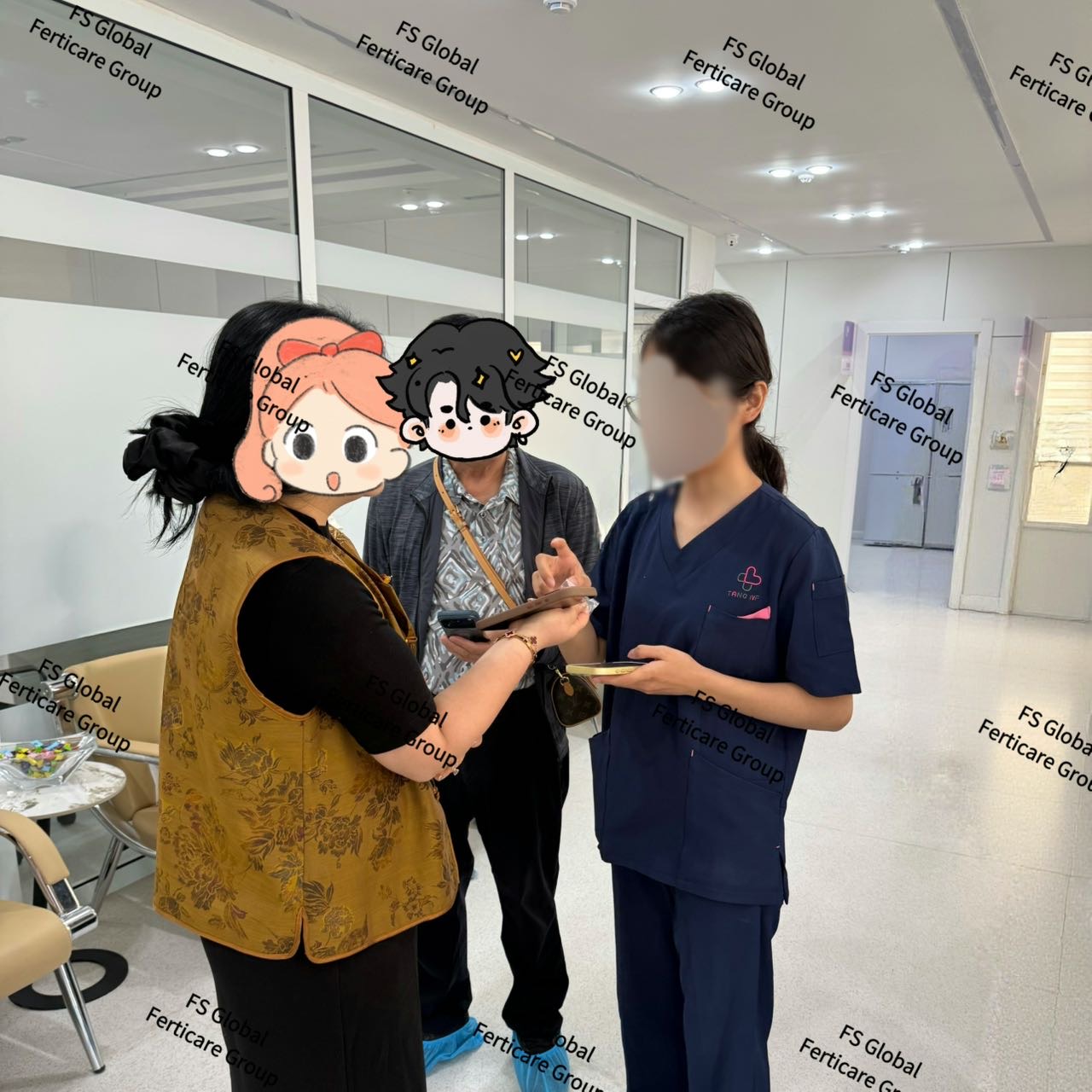
On 20 September, two clients arrived in Bishkek. Staff met them at the airport, helped arrange accommodation and accompanied them to a medical facility. The visit included consultations, waiting at the clinic and blood collection among the examinations.
 5
5
On 15 September, a woman attended the partner clinic for embryo transfer. After waiting at the clinic, she underwent the scheduled procedure. The accompanying records include ultrasound images from before and after the transfer.
 5
5
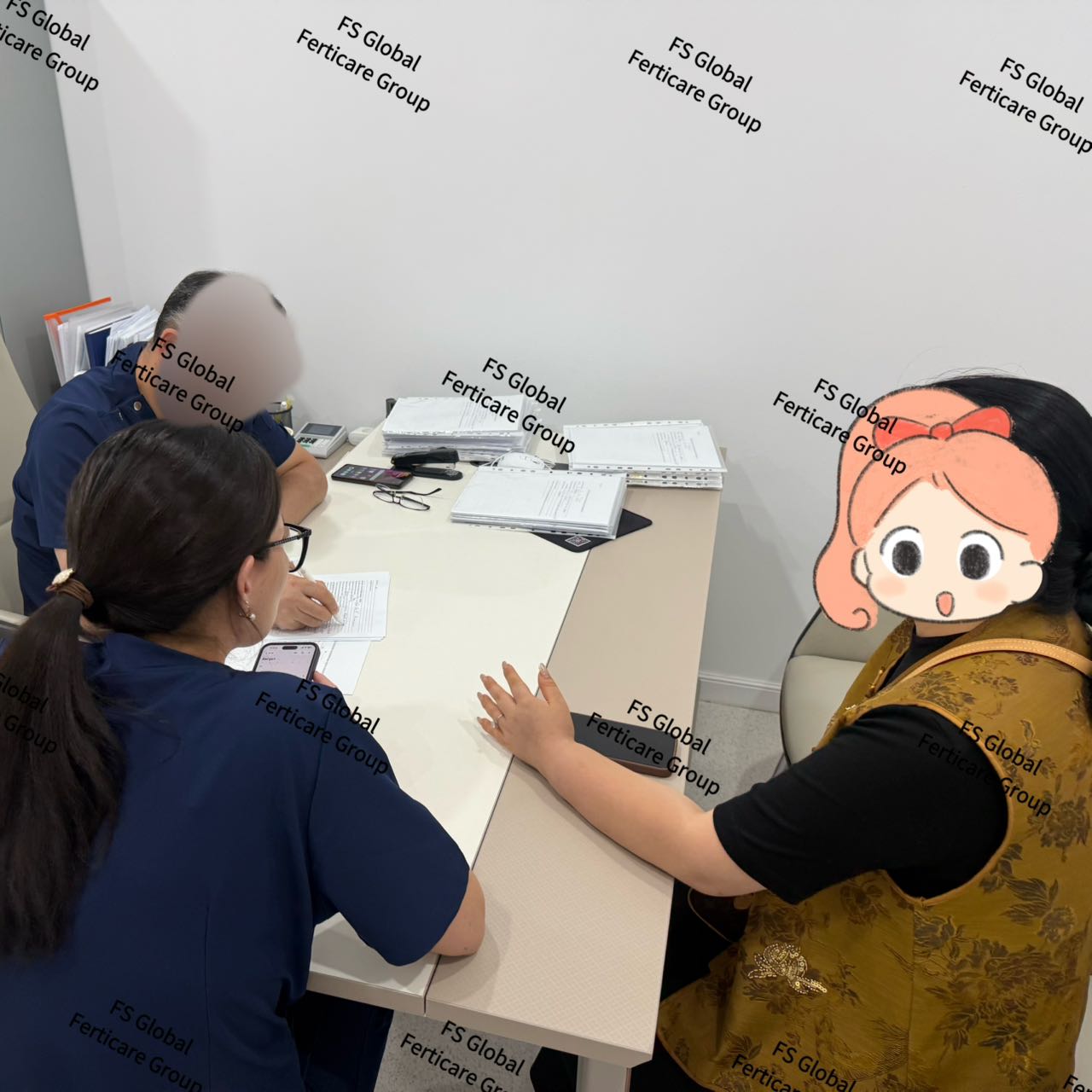
On 14 September, two clients attended the partner clinic to discuss their preparation with the doctor, undergo examinations and provide reproductive samples. Staff accompanied them at reception and in the consultation room, helping explain the day's arrangements.
 5
5
On 14 September, the client attended the partner fertility clinic for pre-retrieval examinations. The visit included a consultation with the doctor, blood collection and time waiting at the clinic for the remaining arrangements.
 6
6
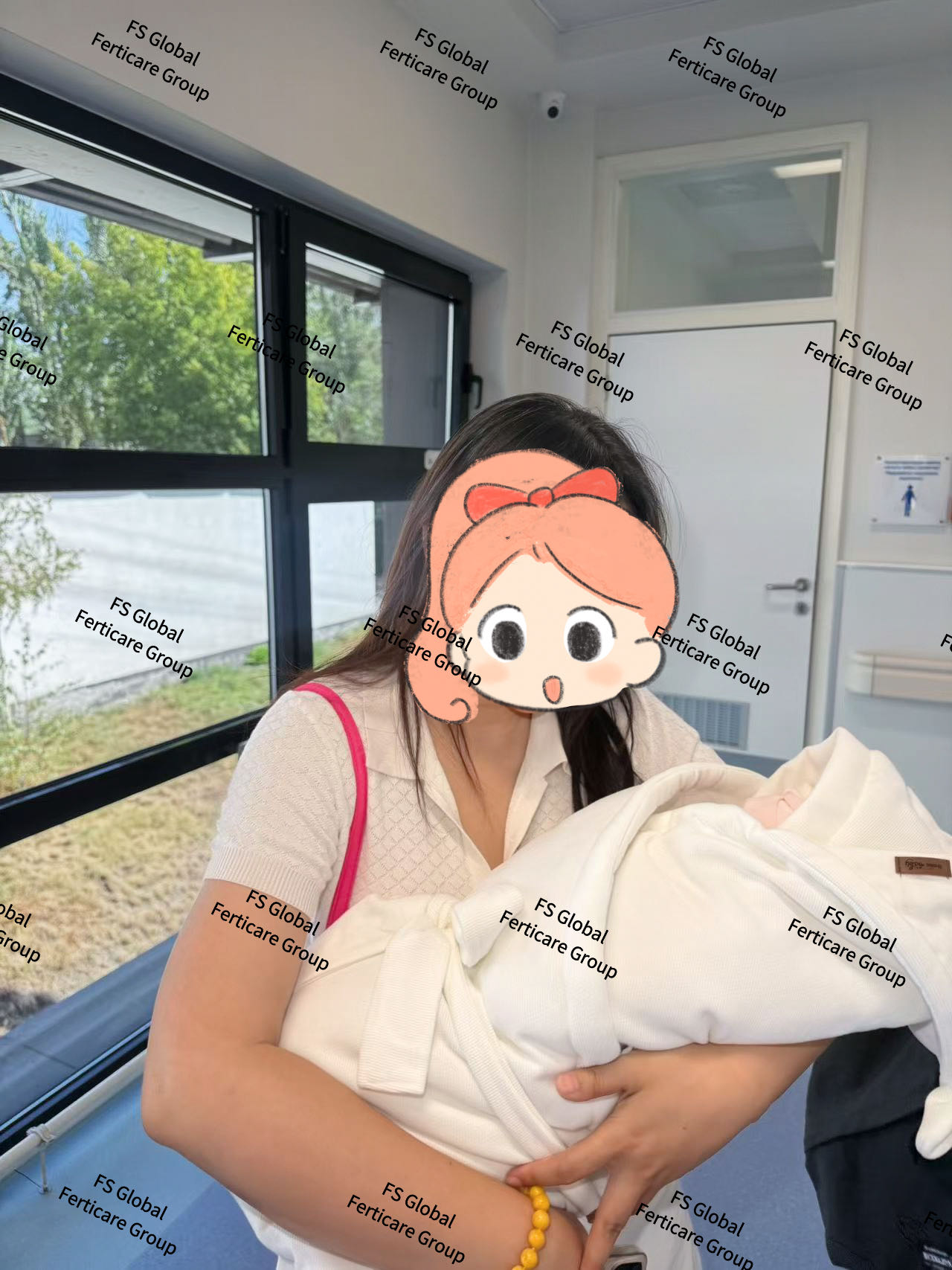
On 10 September, staff accompanied a pregnant participant to a prenatal appointment. The visit included blood pressure measurement and an obstetric examination, with staff present during waiting and examinations.
 7
7
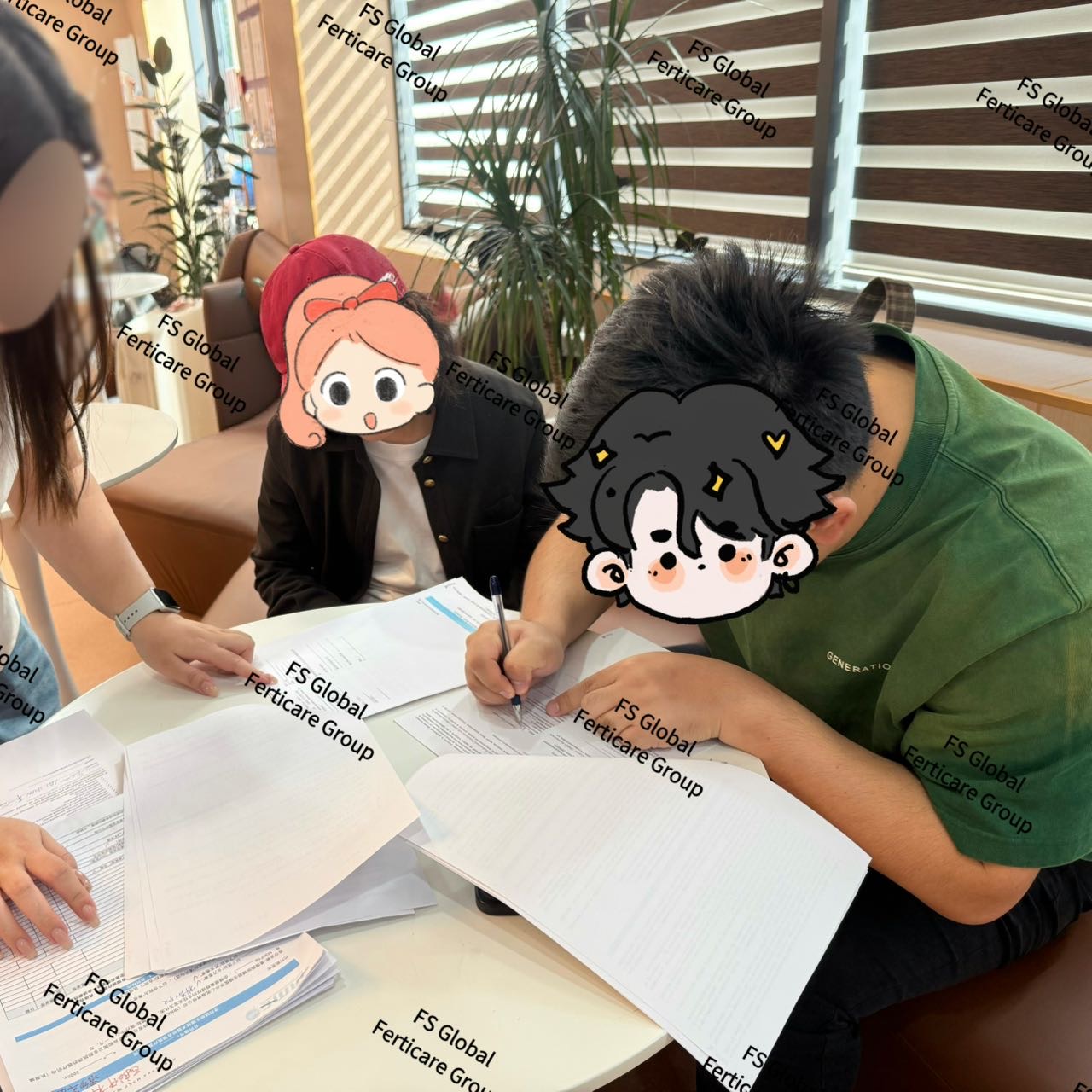
On 9 September, the clients came to the hospital for the baby's discharge. Both spent time holding the baby before leaving the hospital together.
 4
4
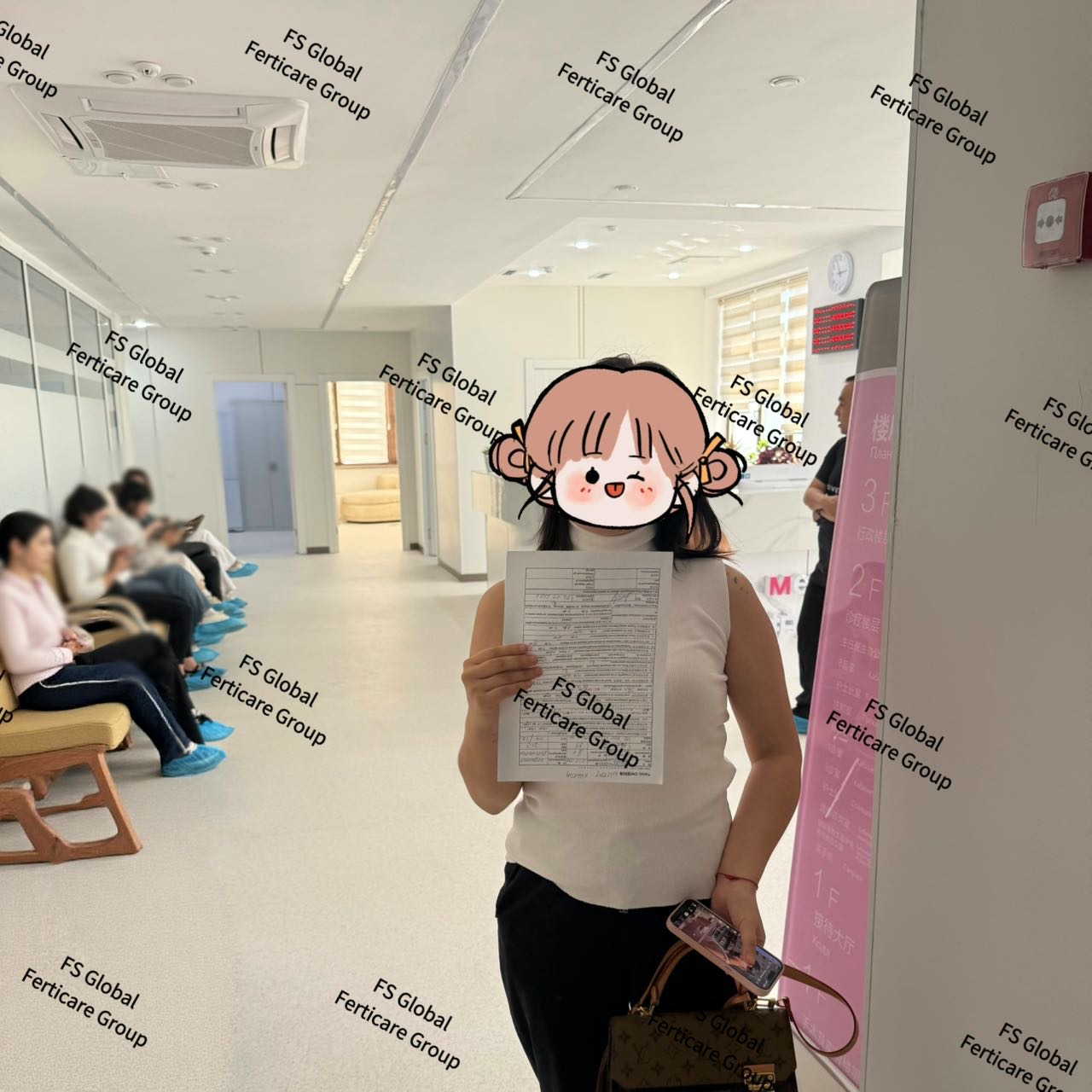
On 7 September, the client returned to the partner fertility clinic after several examinations during ovarian stimulation. She completed the pre-retrieval examinations, read the relevant documents with staff explaining them, and signed them.
 2
2
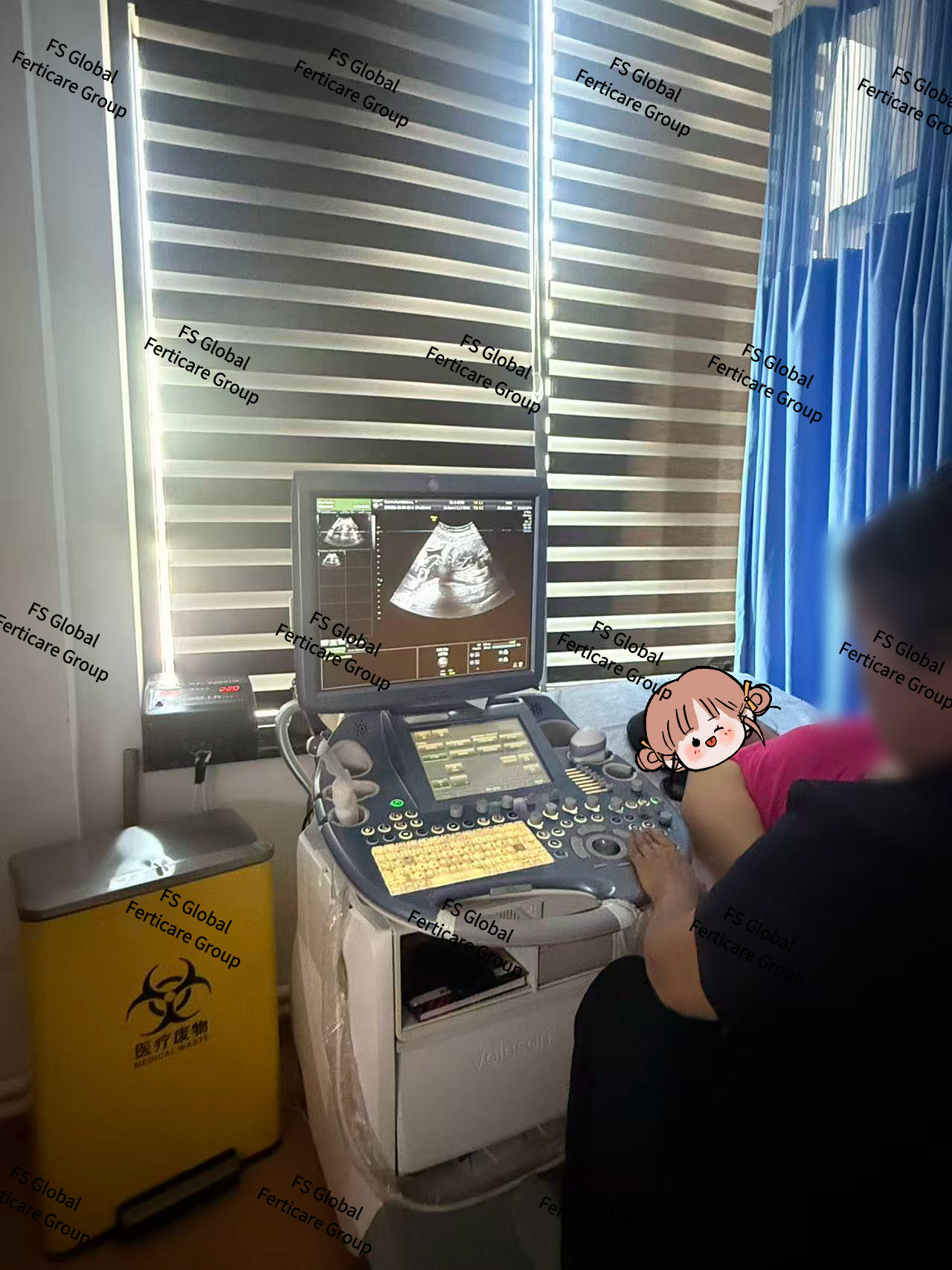
On 7 September, a participant attended the partner fertility clinic for a follow-up examination and received the documents from that day's visit.
 6
6
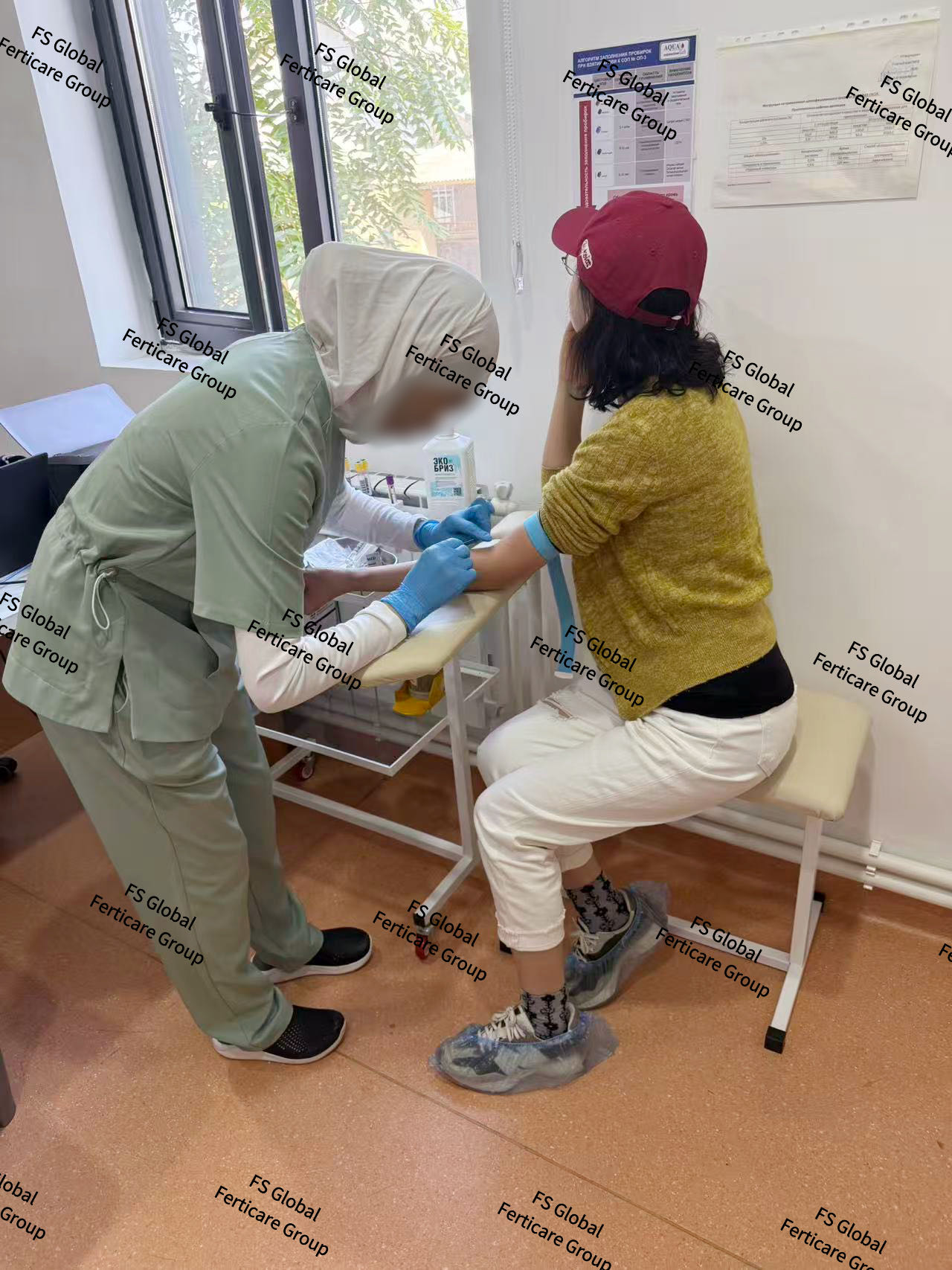
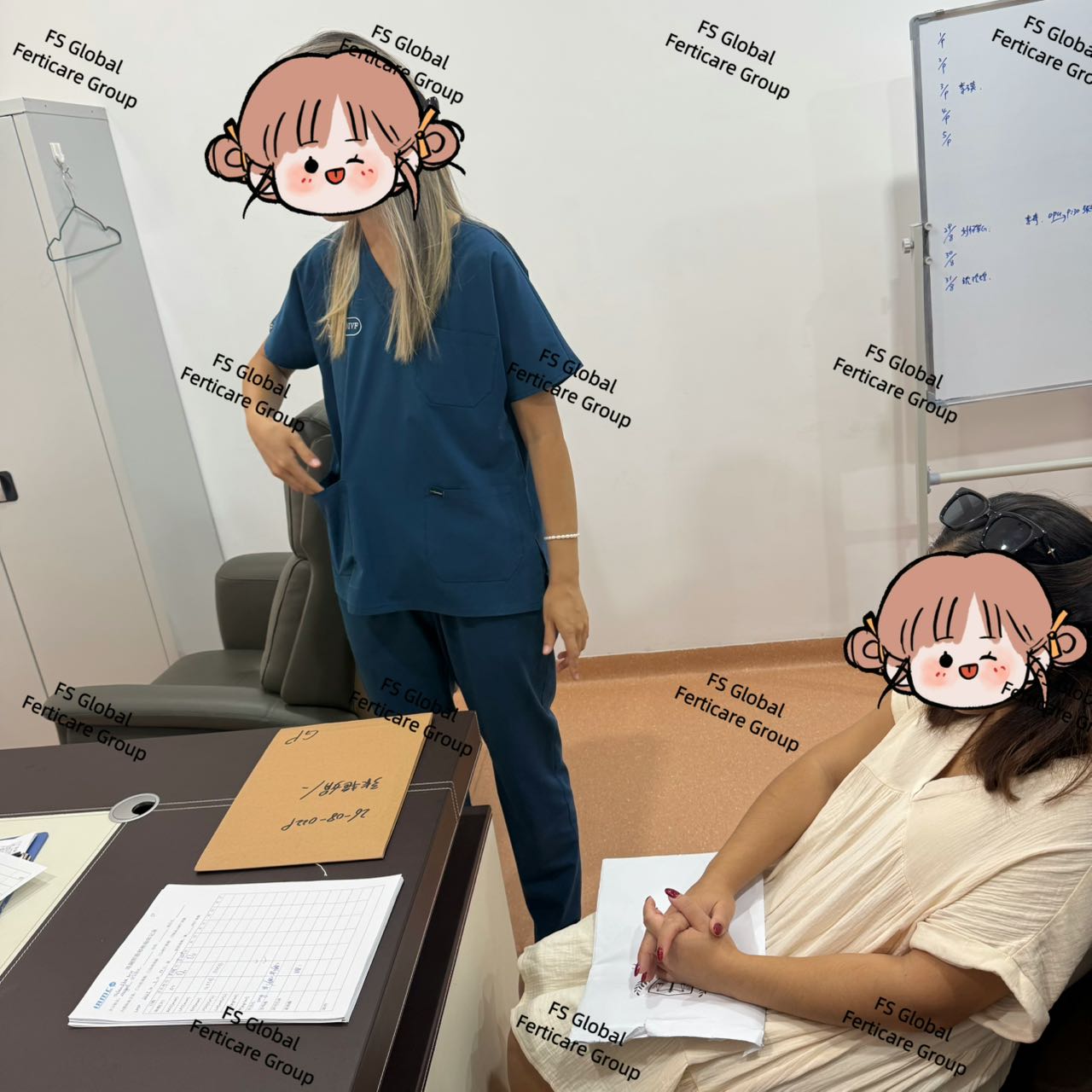
On 3 September, two pregnant participants attended separate prenatal visits, including blood pressure measurement and ultrasound. They also read and signed the relevant delivery agreements that day.
 4
4
On 3 September, the client returned to the partner medical facility for follow-up. Staff met the client and accompanied them while waiting, before the injection arranged for that visit.
 2
2
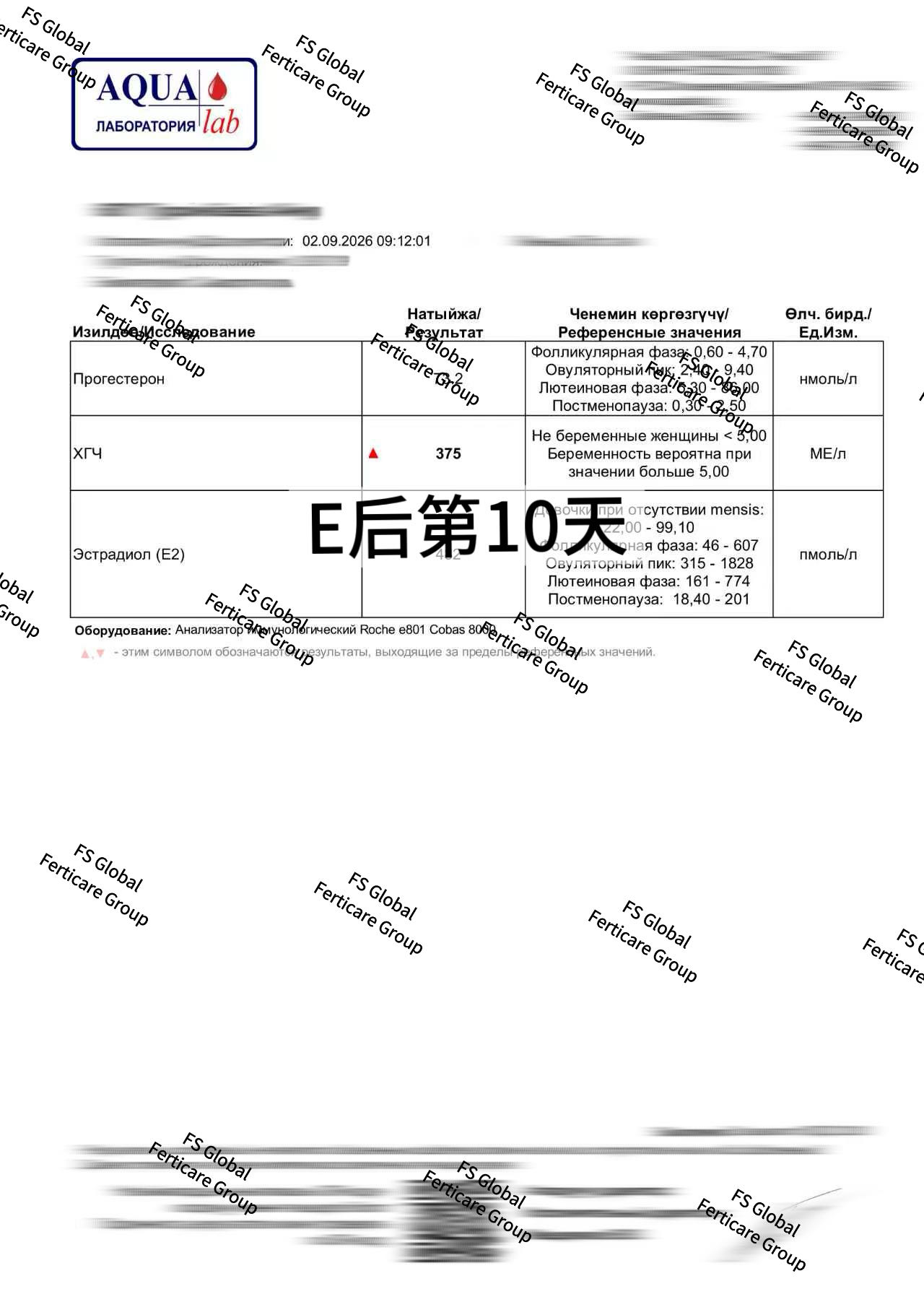
The laboratory report dated 2 September recorded HCG at 375 IU/L, on day 10 after embryo transfer. Staff shared the result in the service group after receiving the report.
 4
4
On the evening of 31 August, staff waited in the arrivals area at Bishkek airport, met the clients and left the airport with them. They then accompanied the clients to their hotel for check-in.
 3
3
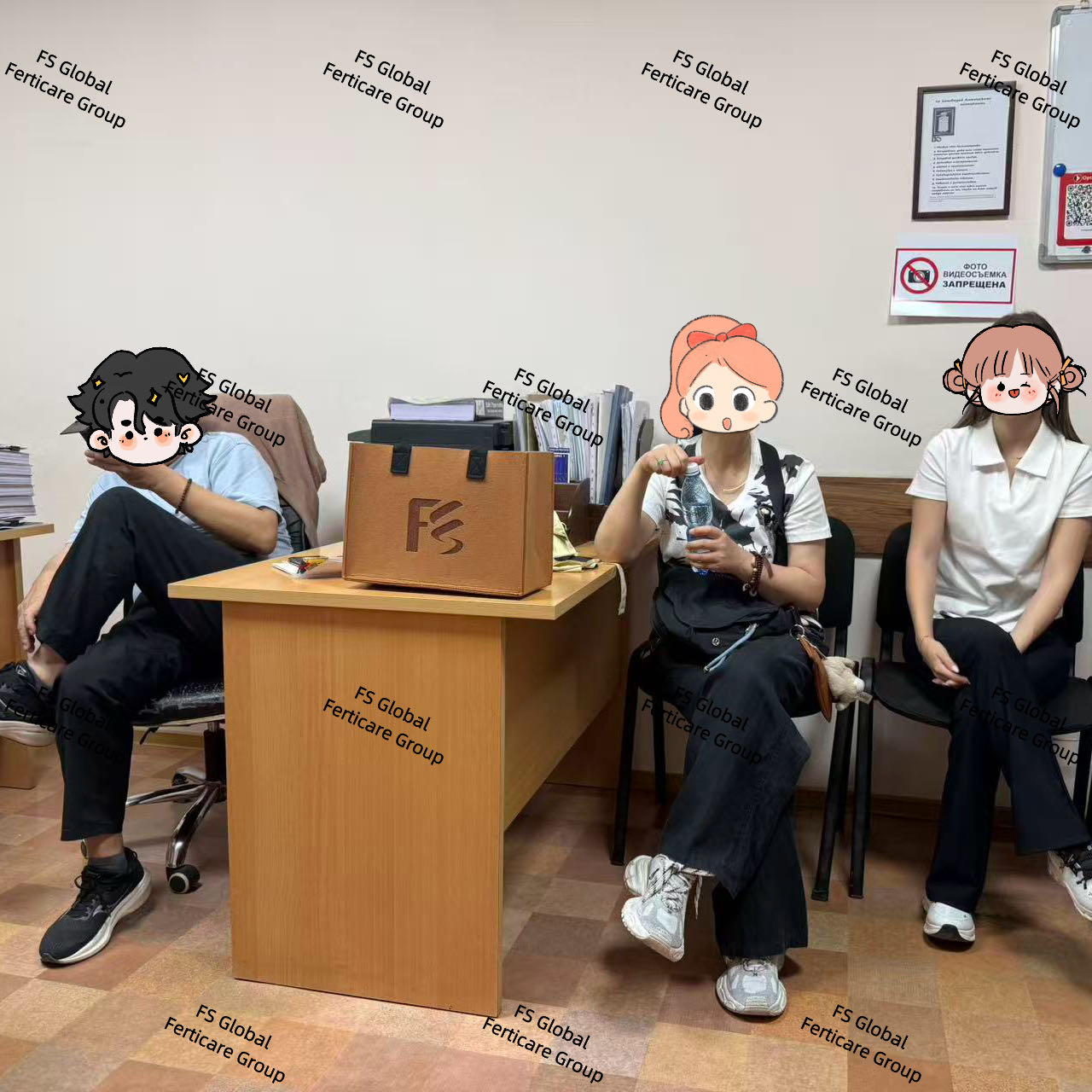
On 31 August, the participant attended the partner medical facility for a scheduled examination, waited at the clinic and spoke with the medical staff.
 4
4
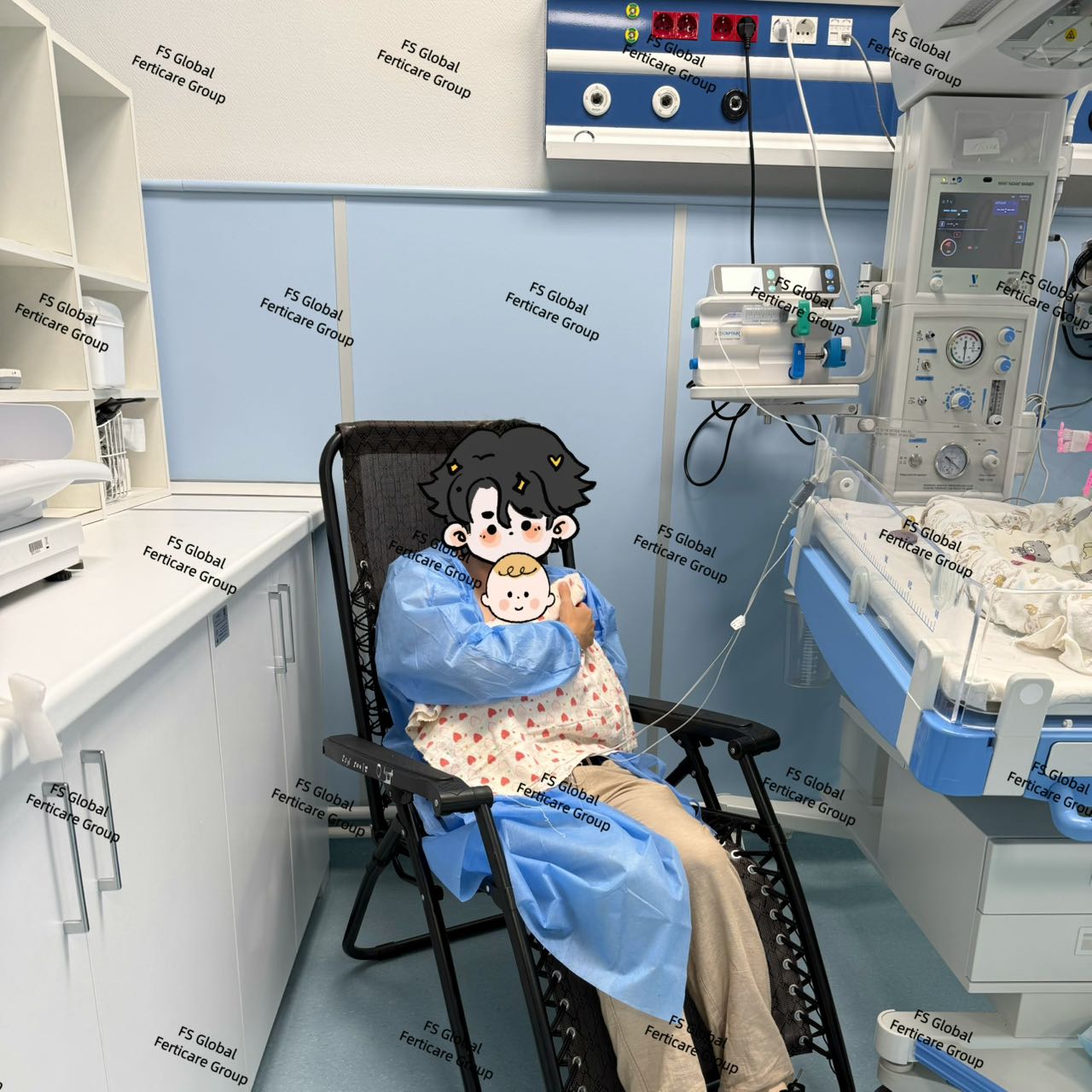
On 30 August, the clients and a participant attended the notary's office together to sign the relevant documents. They took a photograph at the office, and the signing was confirmed in the group afterwards.
 4
4
On 28 August, a client and newborn attended for parentage-test sampling. Sampling materials were prepared, and two sample envelopes were filled out separately.
 4
4
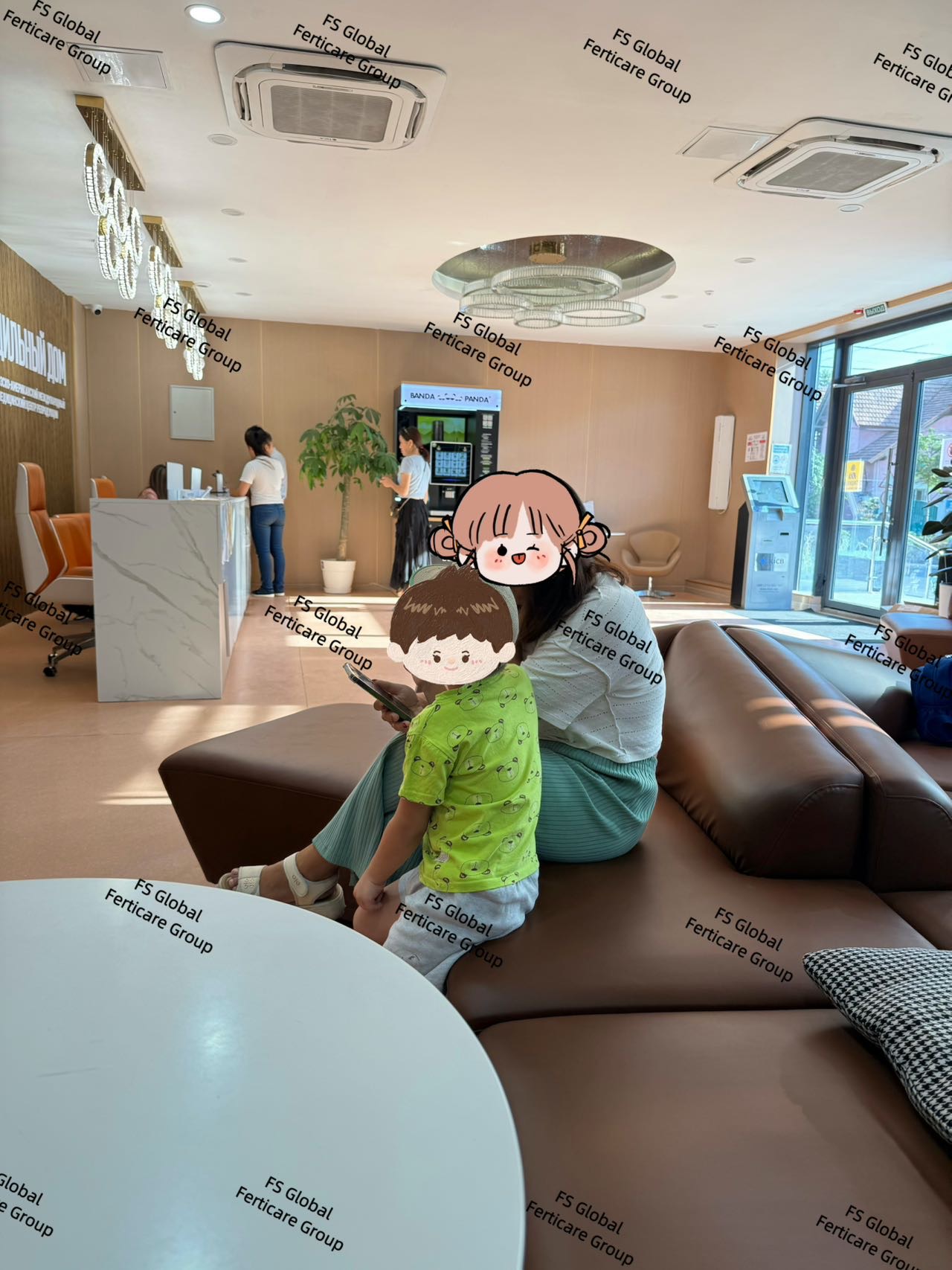
On 26 August, the participant attended a partner medical facility in Bishkek for examinations at this stage of the programme. An accompanying child waited with them in the waiting area.
 5
5
On 24 August, the participant attended a notary's office in Bishkek with family members, signed the relevant documents and settled the final project payment as agreed. The records include the stamped documents and the payment handover.
 6
6
On 21 and 24 August, two participants attended the clinic separately for their scheduled embryo transfers. Each visit has its own messages and ultrasound images from before and after the procedure.
 4
4
Staff met the client at the airport after arrival and accompanied them to the accommodation arranged for their stay. The team helped with transport, accommodation and language communication that day.
 3
3
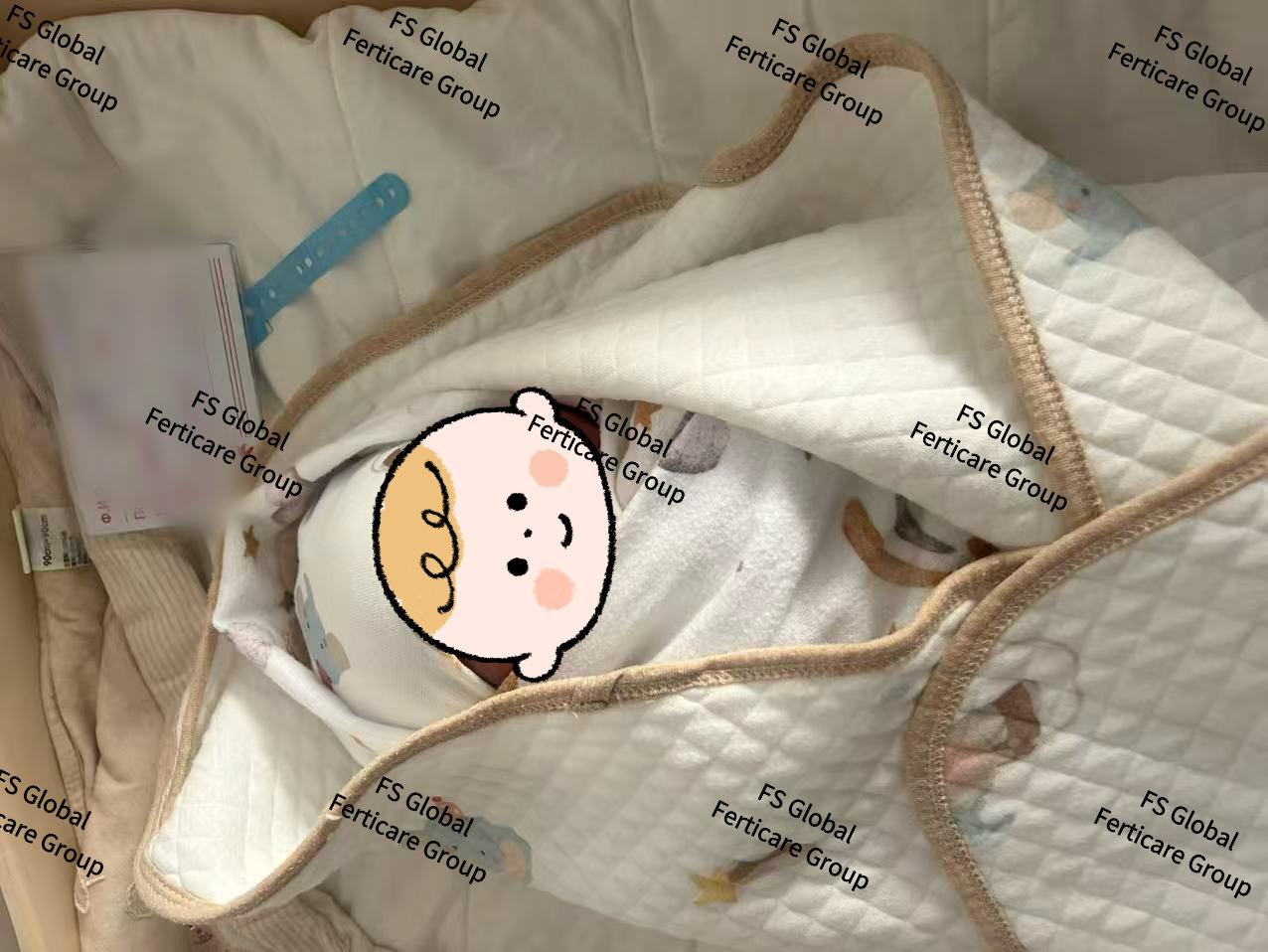
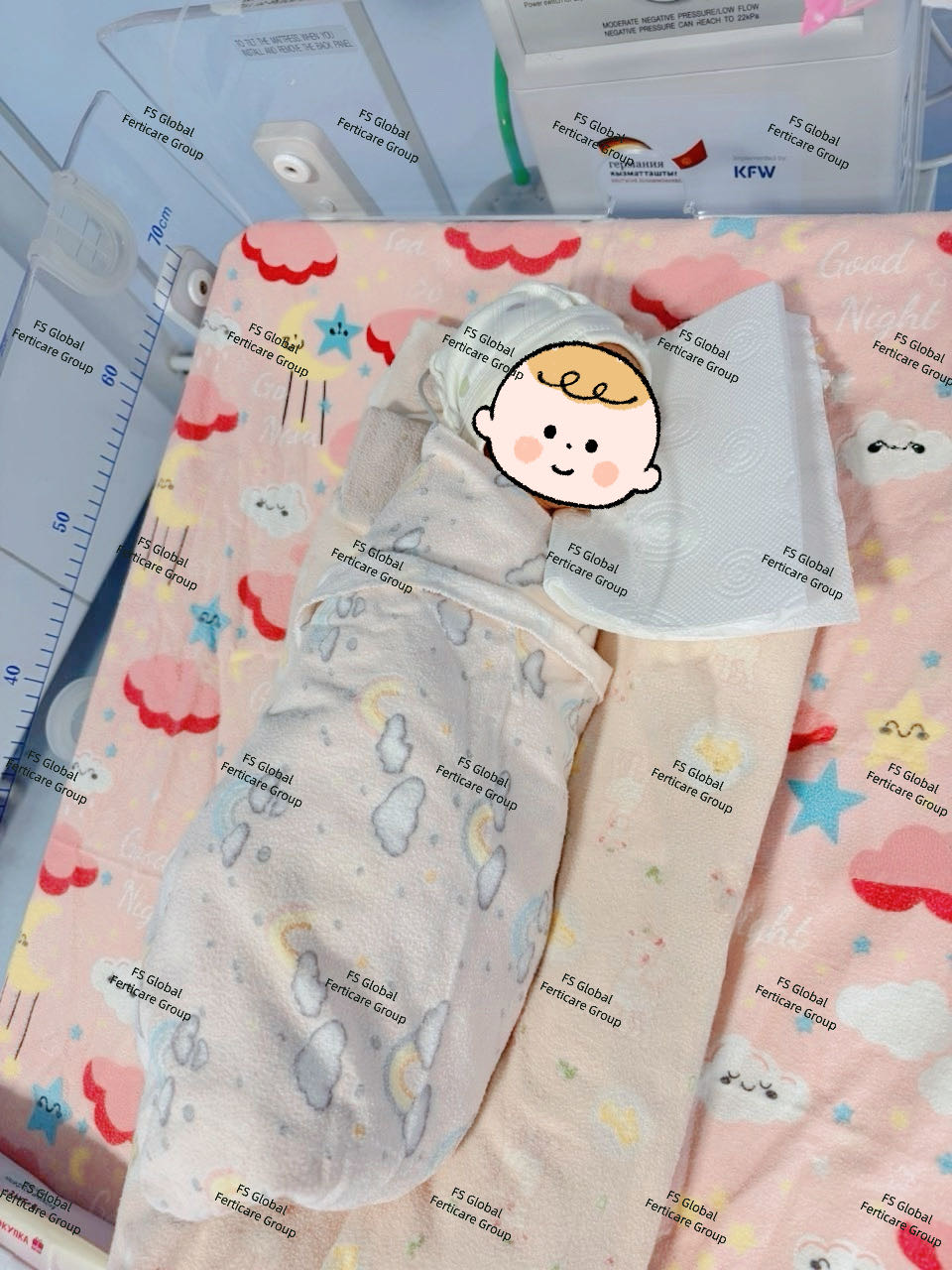
On the fourth day after birth, the baby remained in hospital for daily care and rested in a cot.
 4
4
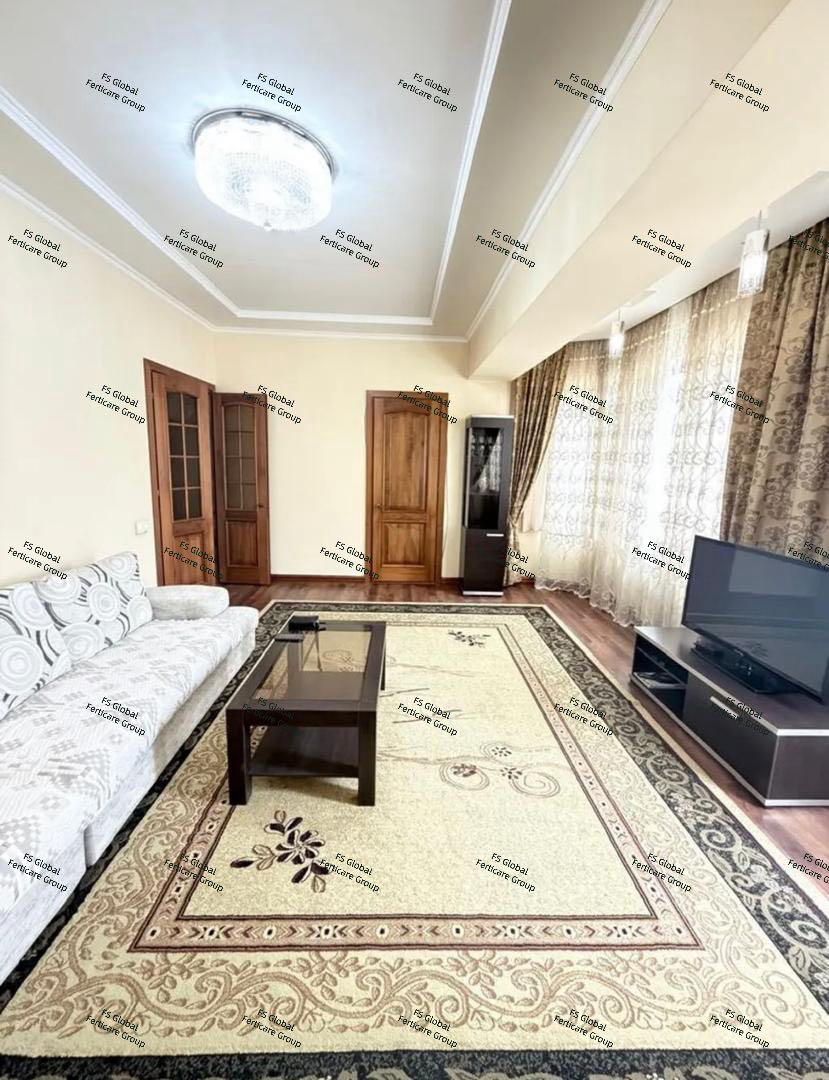
This accommodation for pregnancy has a living room, kitchen, bedroom and basic household appliances. The rooms have been prepared, with separate spaces for resting, cooking and daily life.
 3
3
That day, staff accompanied a pregnant participant to a prenatal appointment and helped two clients attend for blood collection. Medical staff carried out the examinations and sampling, with FS staff present.
 2
2
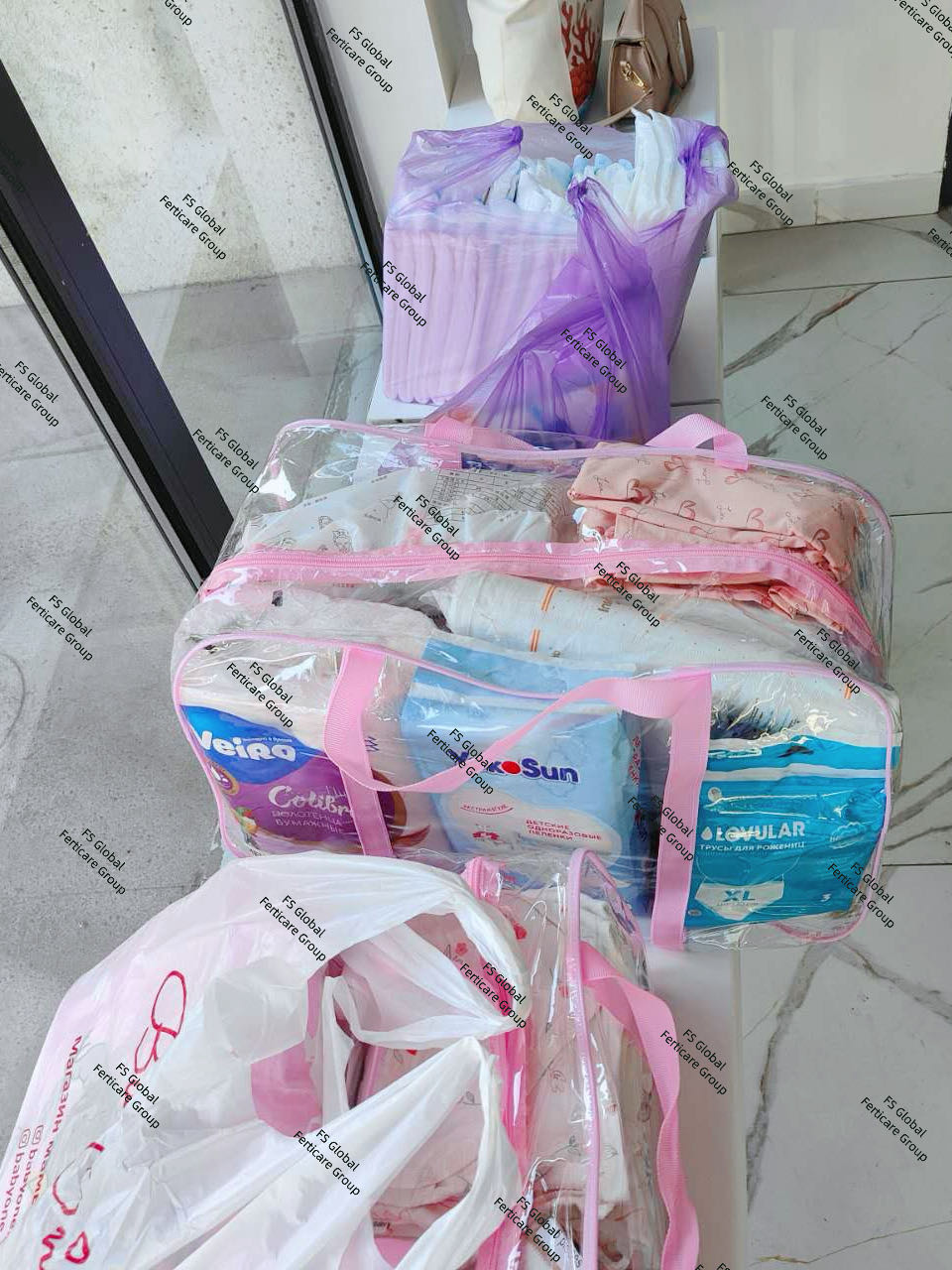
With delivery approaching, the maternity bag is ready. Care pads, hygiene products and everyday items for the hospital stay are packed in separate bags and kept together for easy carrying and use.
 3
3
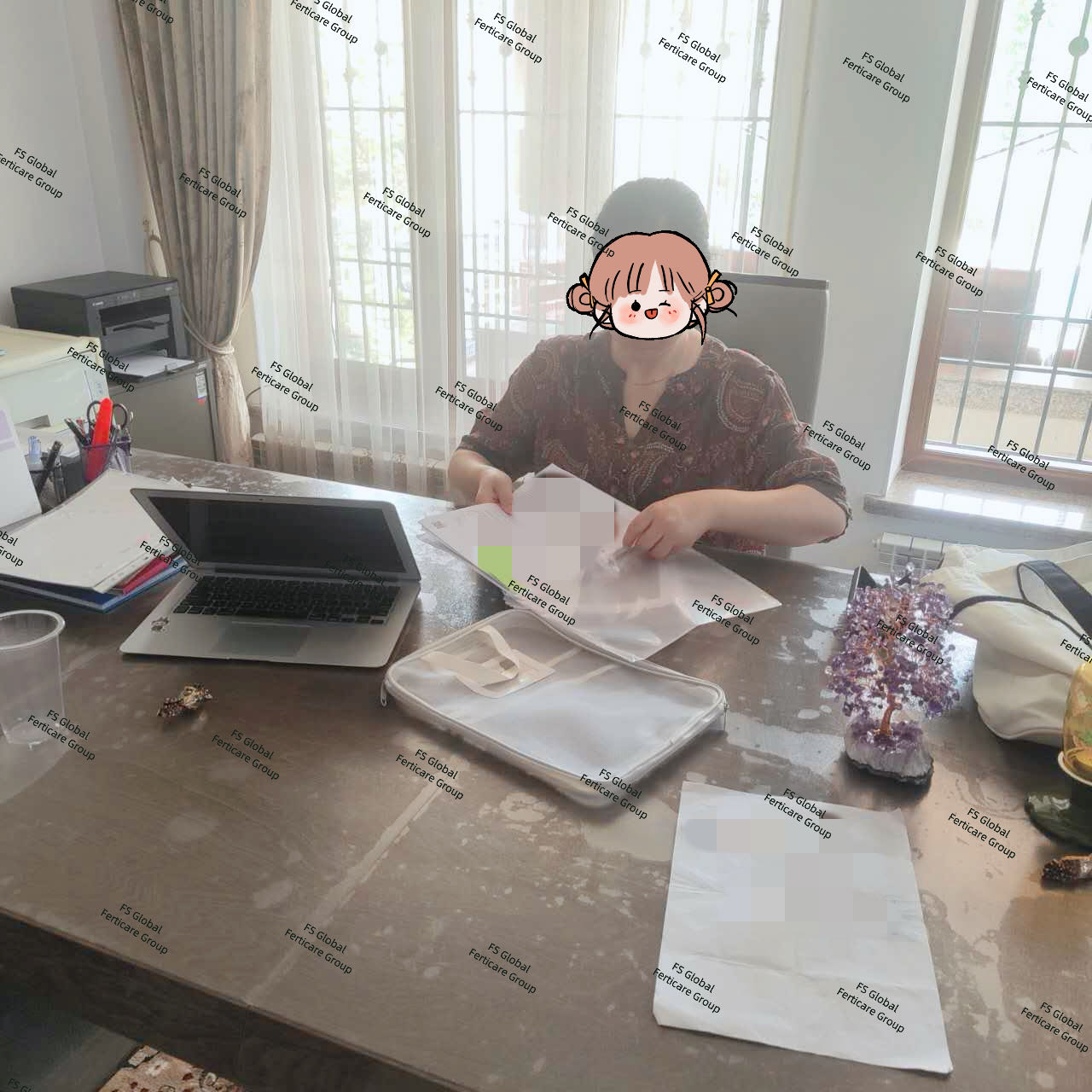
Staff accompanied the client during the travel-visa application process, helped organise the application documents and materials needed on site, and assisted with steps requiring the client's presence.
 3
3
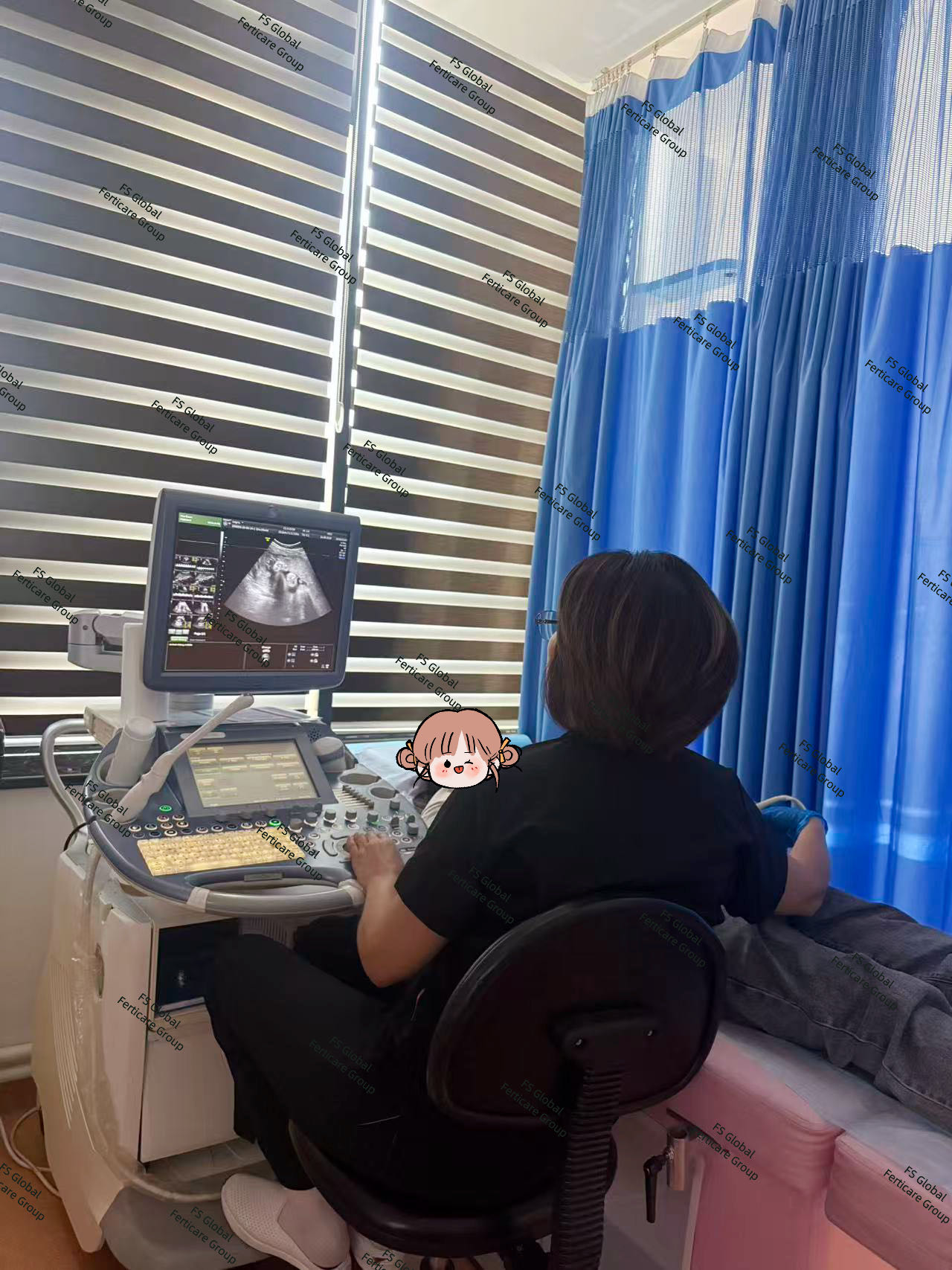
This prenatal follow-up included blood pressure measurement and ultrasound. Staff accompanied the pregnant participant, communicated with the medical team and organised the documents from the visit.
 2
2
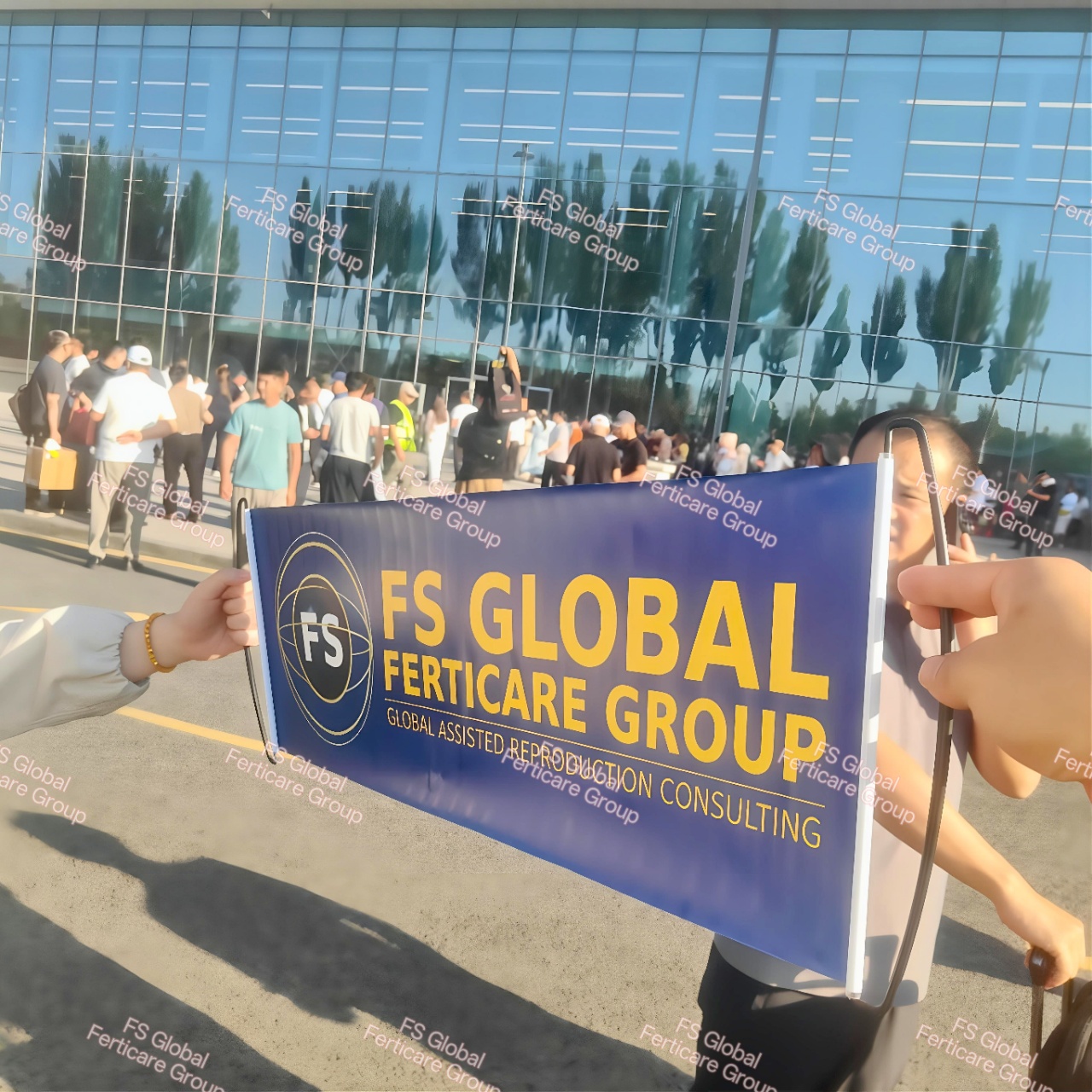
Staff waited in the arrivals area of Bishkek airport with an FS welcome sign and met the client after arrival.
 2
2
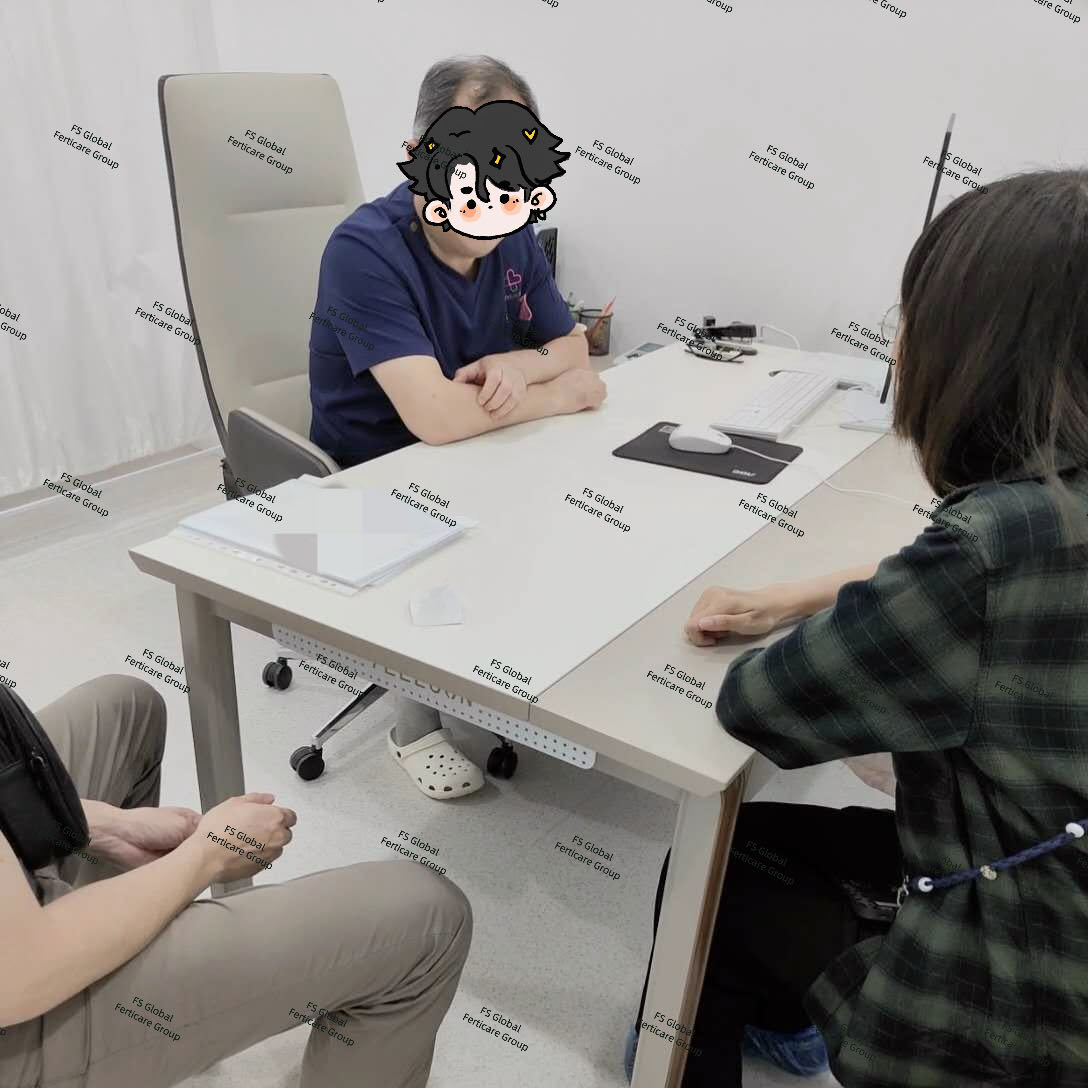
On 13 August, staff accompanied the client to the clinic. After discussing the appointment at reception, they entered the consultation room to speak with the doctor.
 2
2
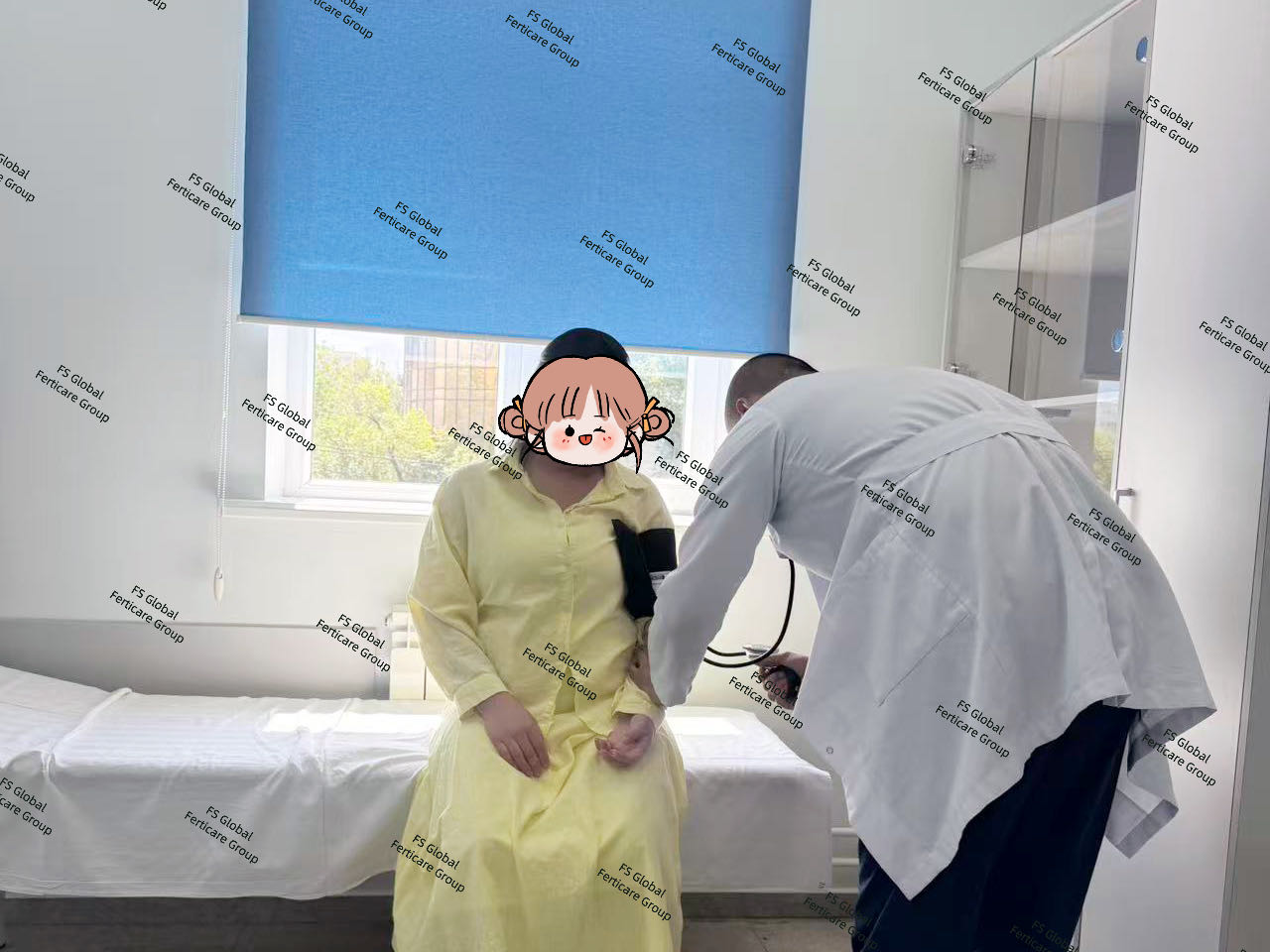
On 13 August, staff accompanied a pregnant participant to a prenatal appointment. The doctor discussed her recent condition, and medical staff measured her blood pressure and completed the basic examinations.
 4
4
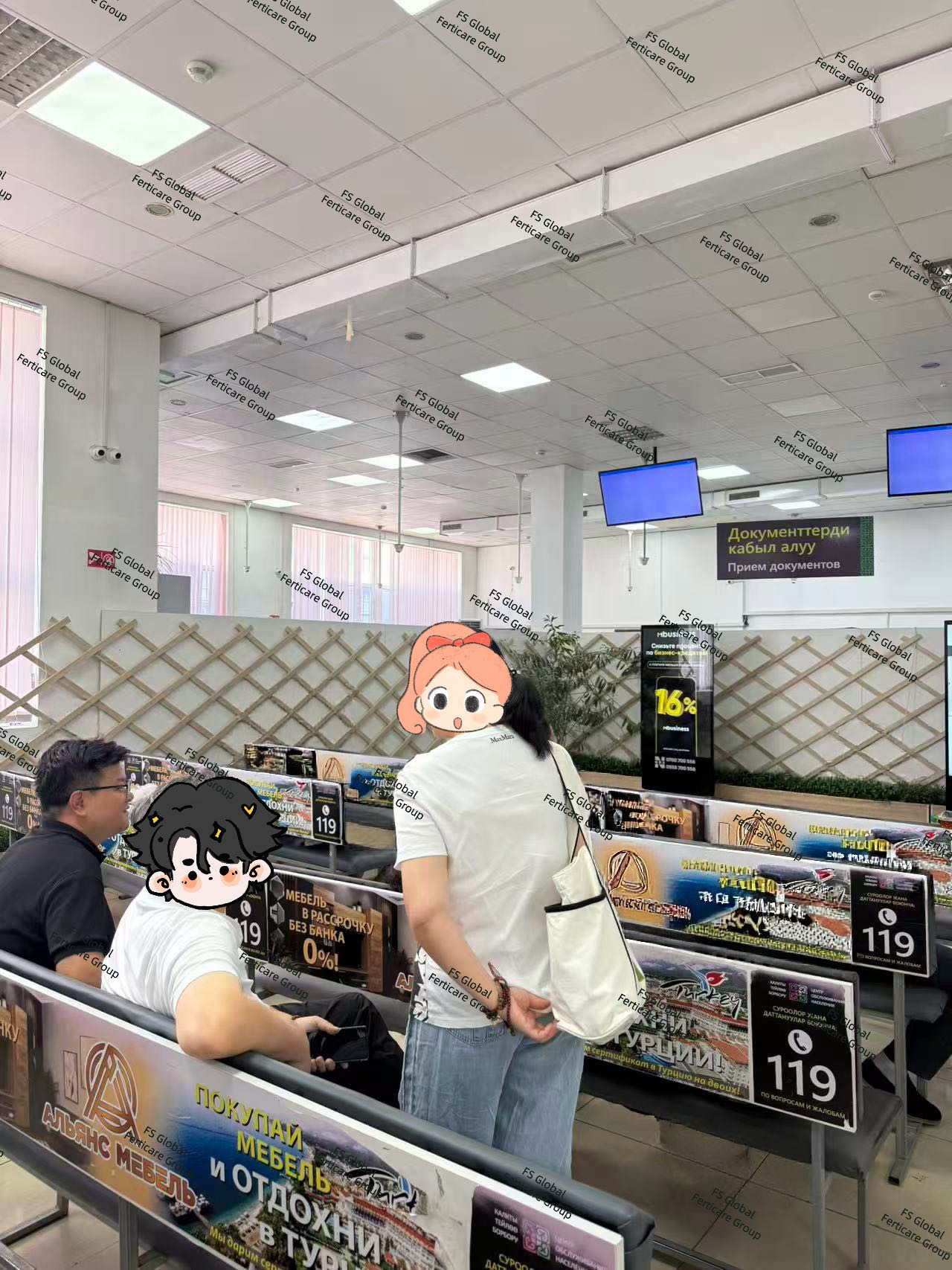
On 5 August, the participant registered at the partner medical facility, completed the basic examinations and was assessed by the doctor. Staff helped with the subsequent arrangements during the visit.
 3
3
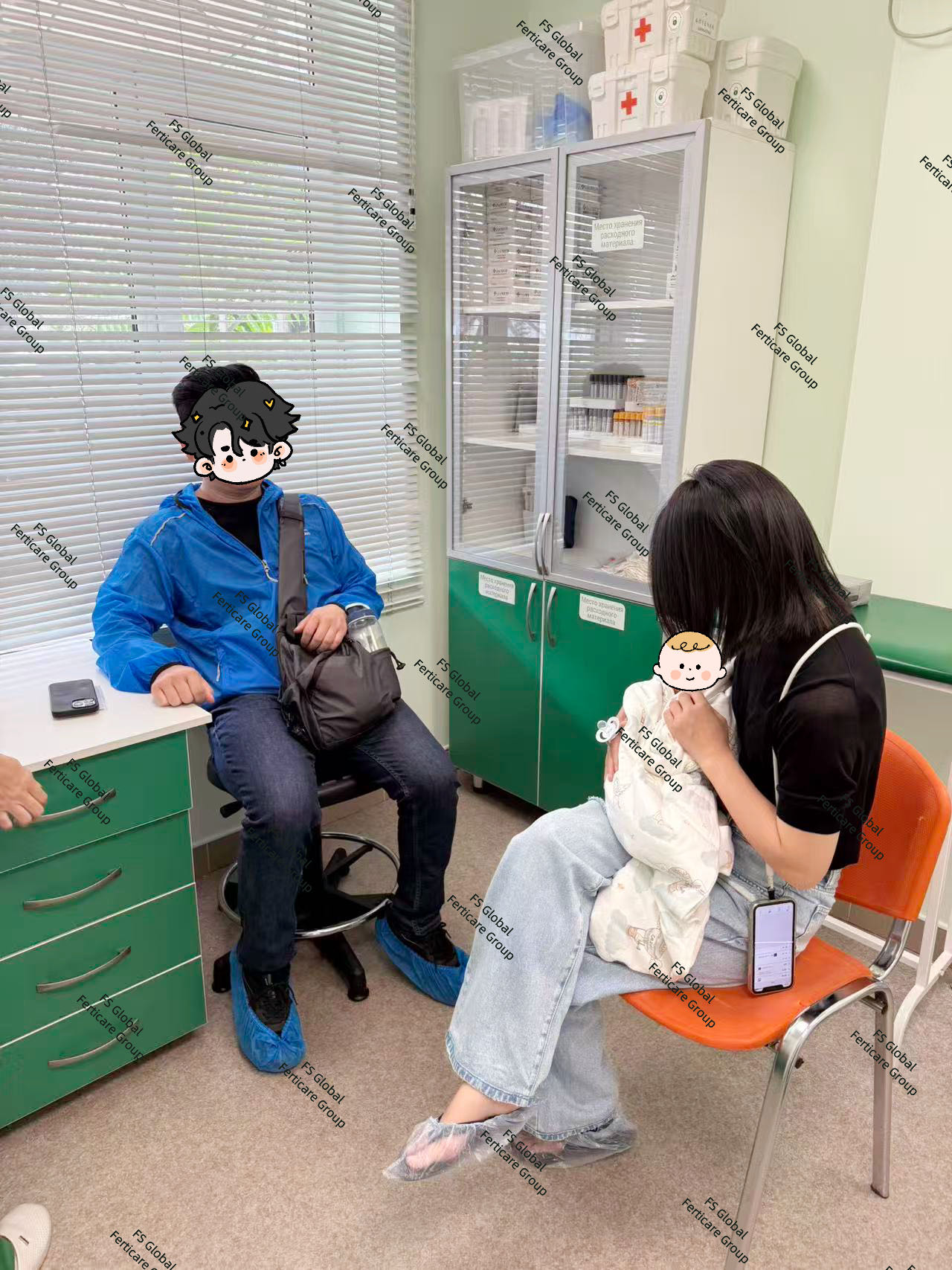
On 5 August, staff accompanied the participant to a document reception desk in Bishkek, helped organise the documents brought along and completed the submission.
 4
4
On 4 August, staff accompanied a client and baby to the testing facility for buccal-swab sampling for a parentage test.
 3
3
The clients arrived in Kyrgyzstan late at night. Staff met them in the airport arrivals area and left with them to continue the journey.
 4
4
On 31 July, staff accompanied a participant to the clinic for an endometrial ultrasound examination. The ultrasound images and photographs from the visit are included together.
 1
1
On 30 July, staff brought a birthday cake to a regular visit and celebrated the participant's birthday with her.
 8
8
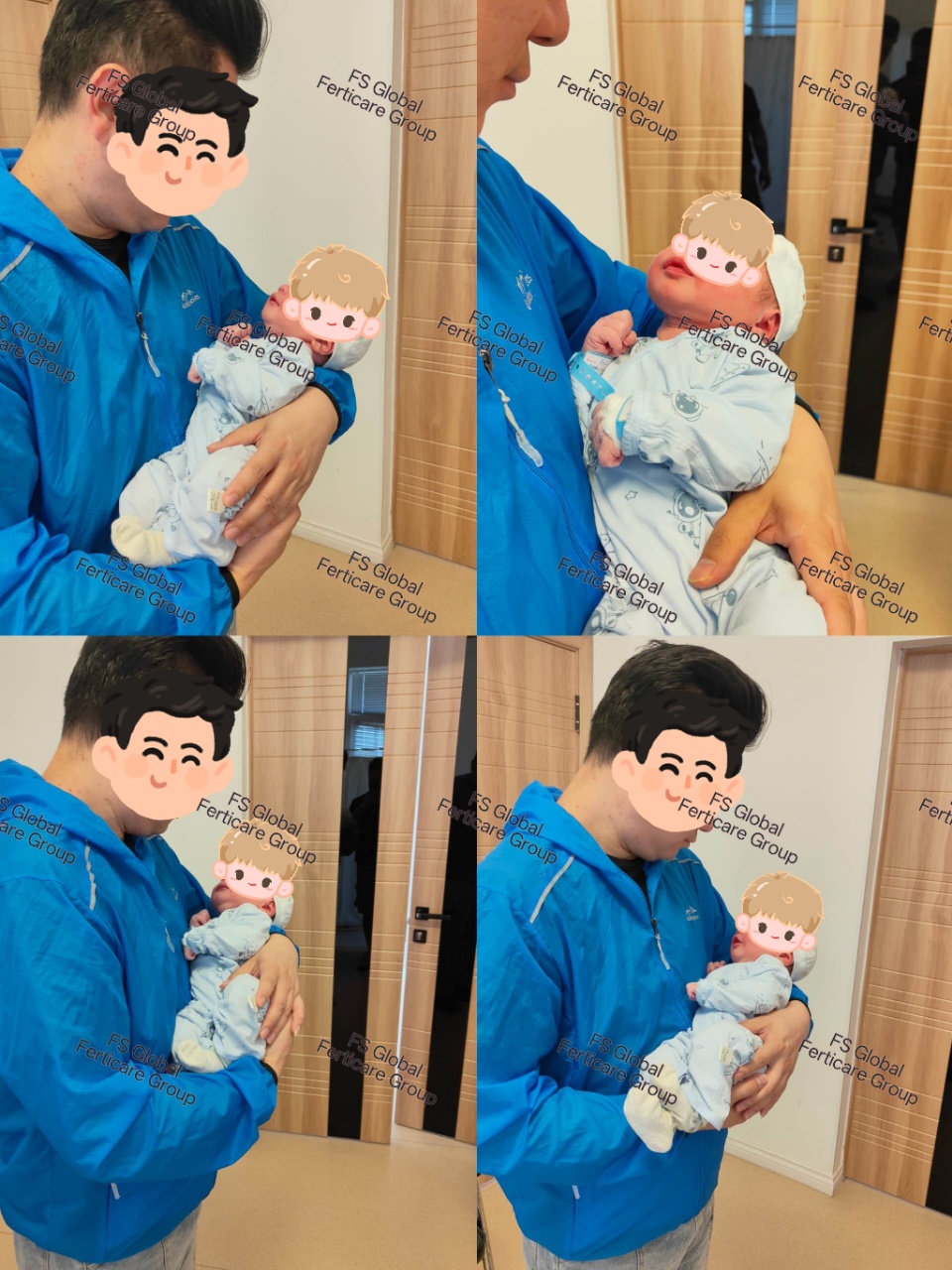
The initial meeting and matching took place in July 2025. Around a year later, a boy was born at 41 weeks, and the clients came to meet him. Staff assisted with communication around delivery and documented the day of his birth.
 4
4
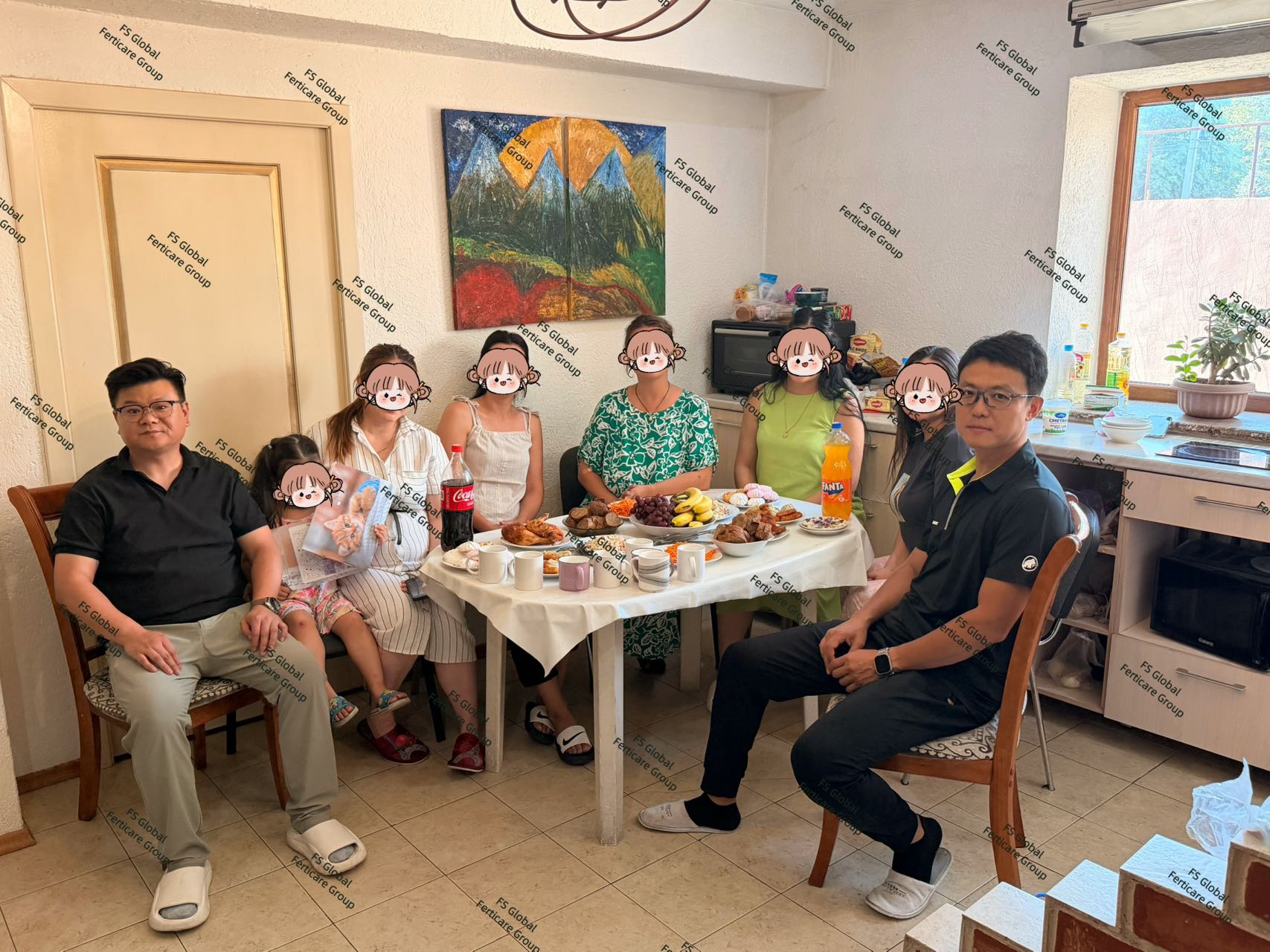
On 28 July, staff shared a meal with several participants. They talked about recent daily life and discussed upcoming everyday arrangements.
 4
4
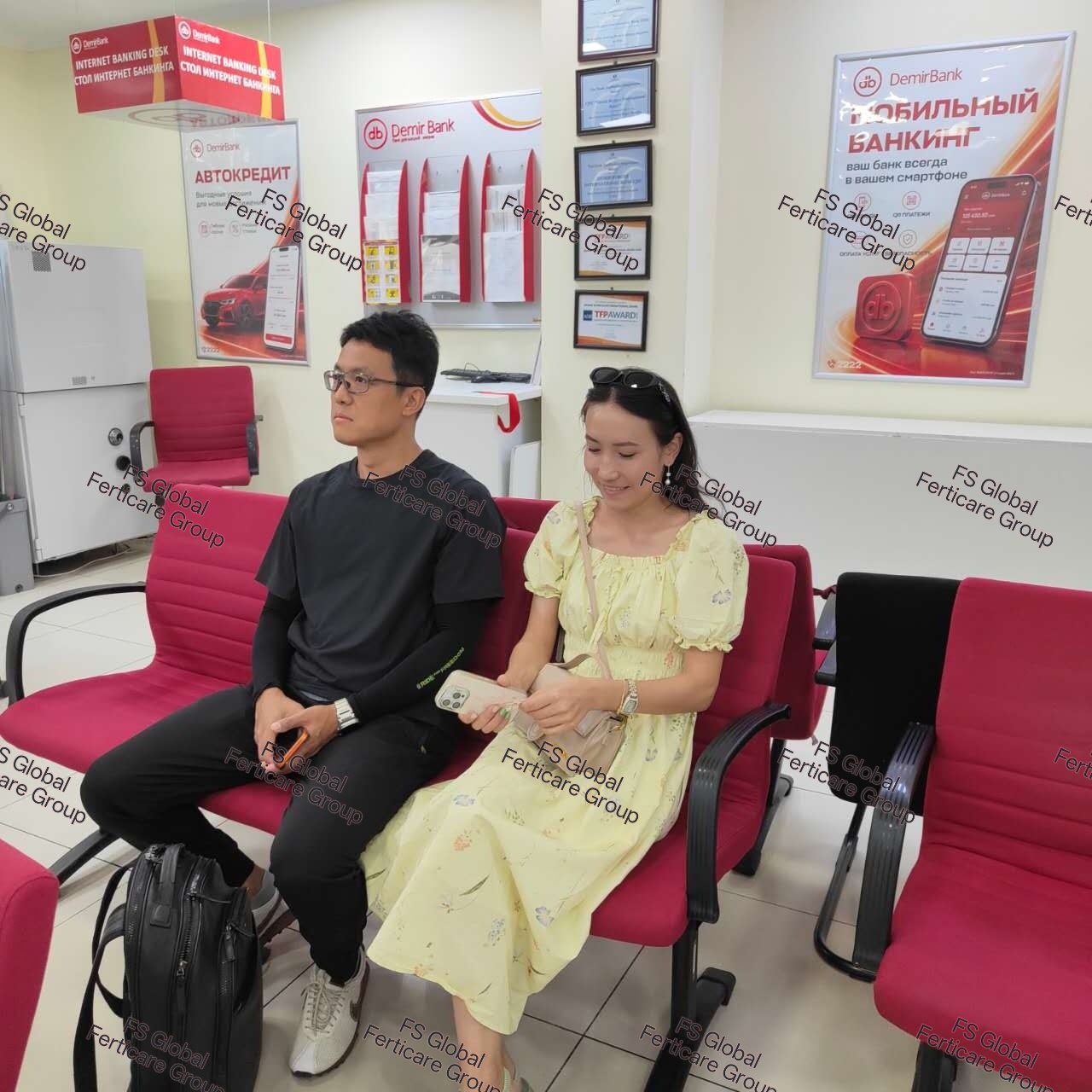
On 25 July, the project lead arranged the final payment in Kyrgyzstan. The day's records include the bank visit, the meeting with the participant, payment and the final project handover.
 4
4
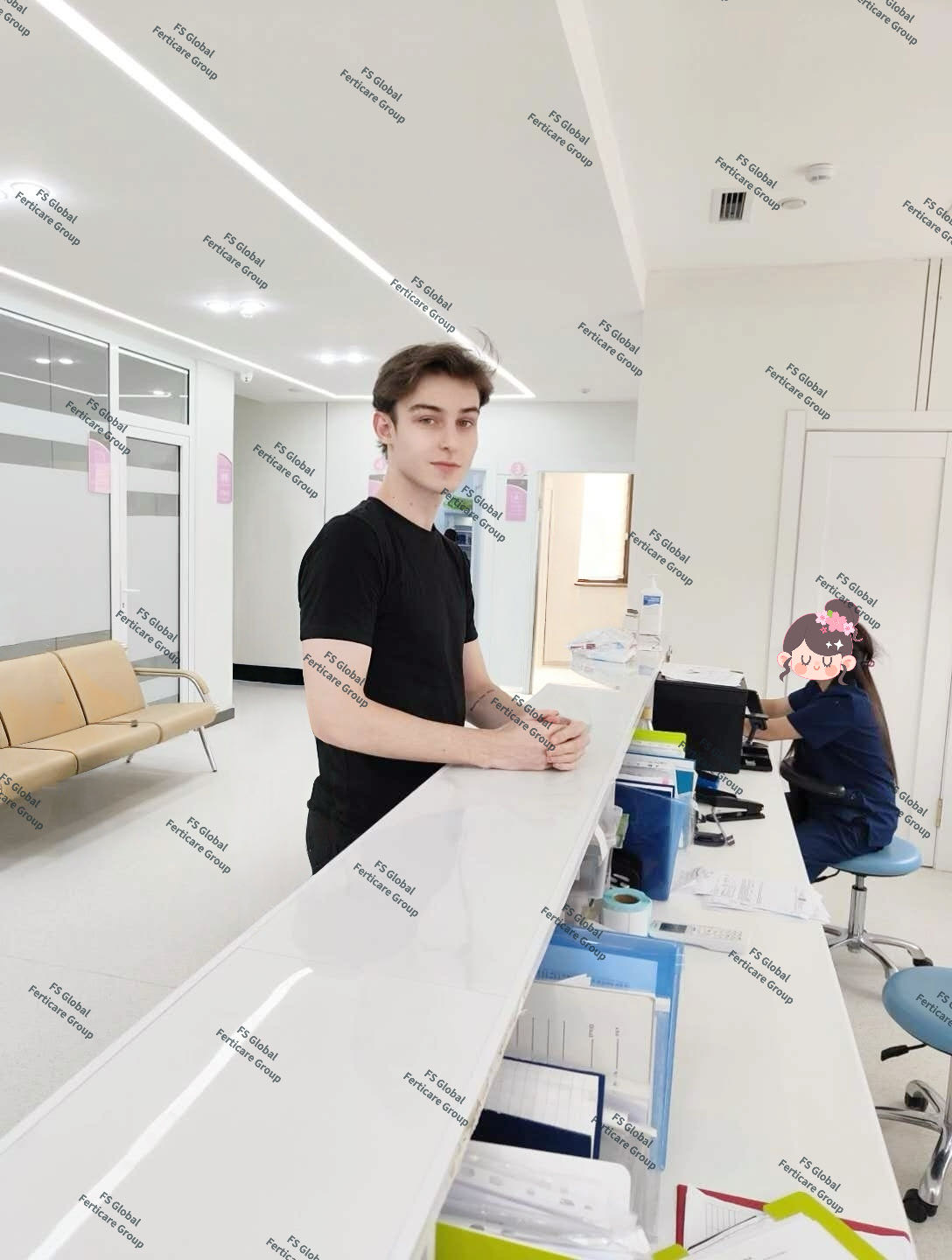
On 24 July, a male candidate registered at the clinic and had blood collected. The information supplied for this visit lists his age as 24, height as 184 cm and education as a master's degree.
 2
2
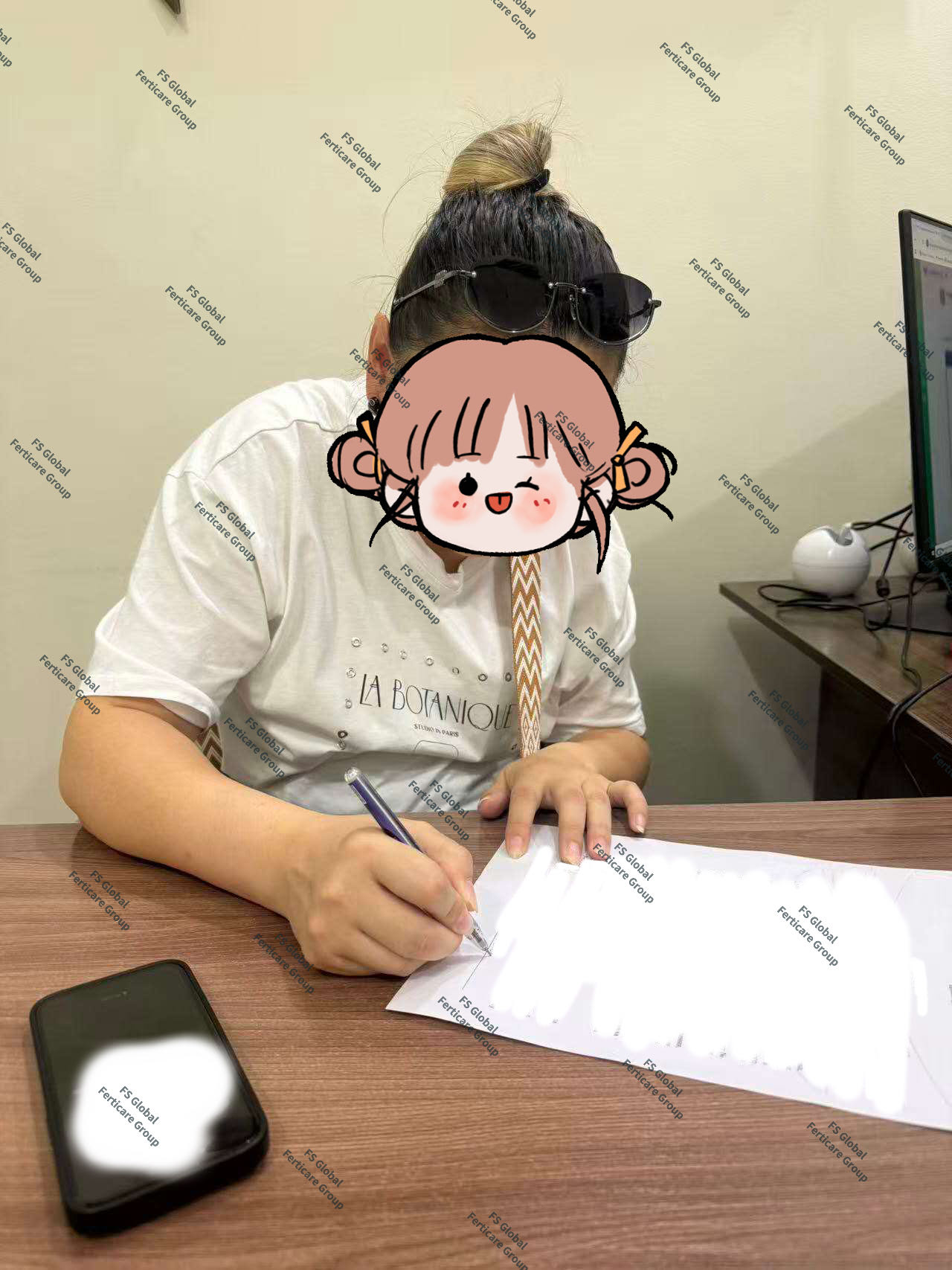
After the baby's birth, the participant attended to sign the relevant documents. Staff assisted on site and retained the signed records.
 6
6
On the third day after birth, the baby moved from the neonatal department to a postpartum centre, with the parents staying alongside. The team arranged a dedicated vehicle and accompaniment, then handed over care to the centre's staff on arrival.
 4
4
On 23 July, staff accompanied the participant through registration, the day's examinations and the planned change in injection arrangements. Afterwards, they recorded the follow-up instructions given by the doctor.
 2
2
On 21 July, after the caesarean delivery, staff contacted the hospital to ask about recovery during the stay and arranged a postpartum visit. This followed the contact already established before delivery.
 3
3
After the baby's birth, staff accompanied the participants for parentage-test sampling and helped with the arrangements on site.
 4
4
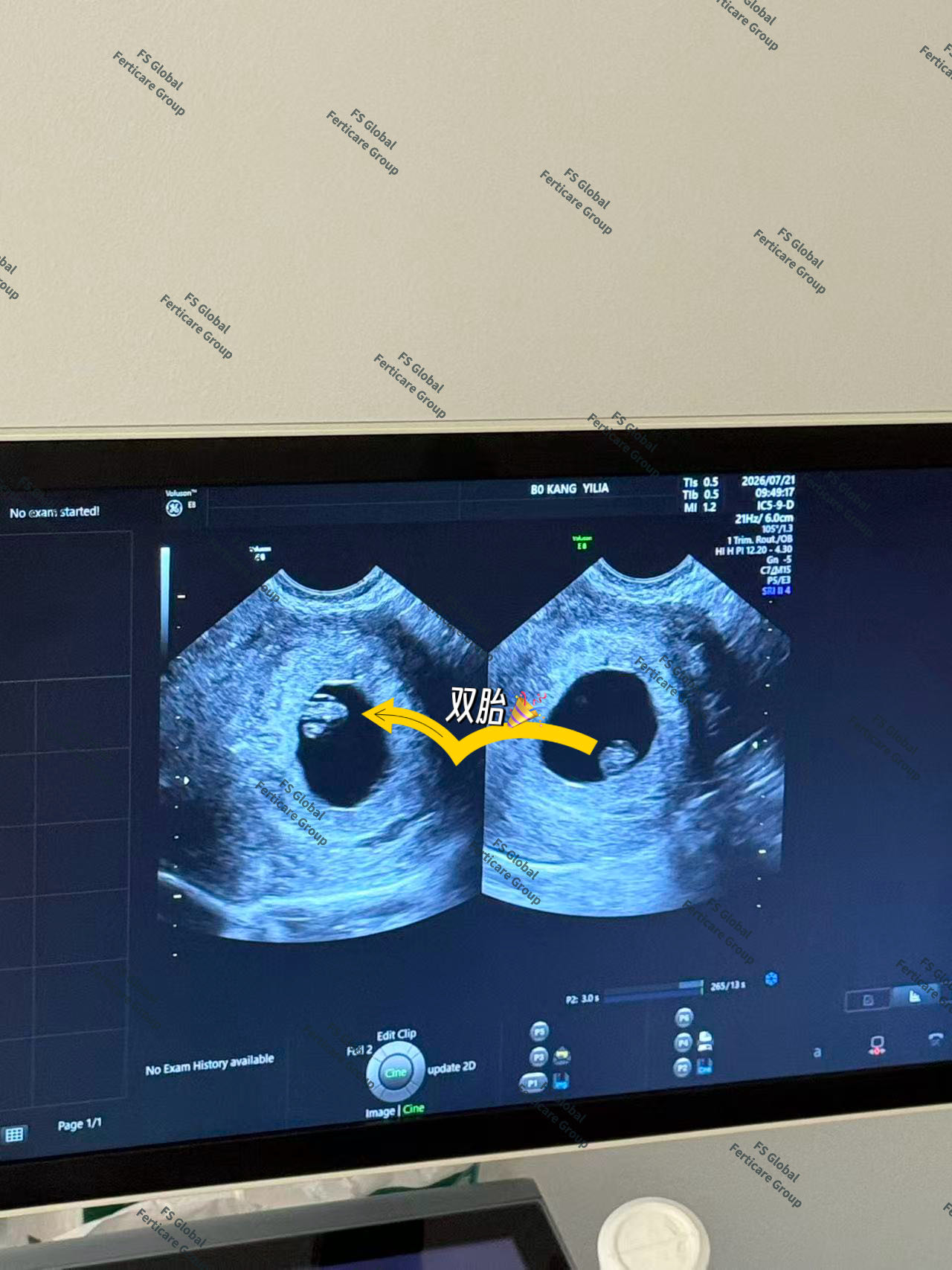
The early-pregnancy ultrasound report dated 21 July described an intrauterine twin pregnancy after single-embryo transfer, with rhythmic cardiac activity in both fetal poles. Staff received the examination documents and recorded the follow-up arrangements.
 4
4
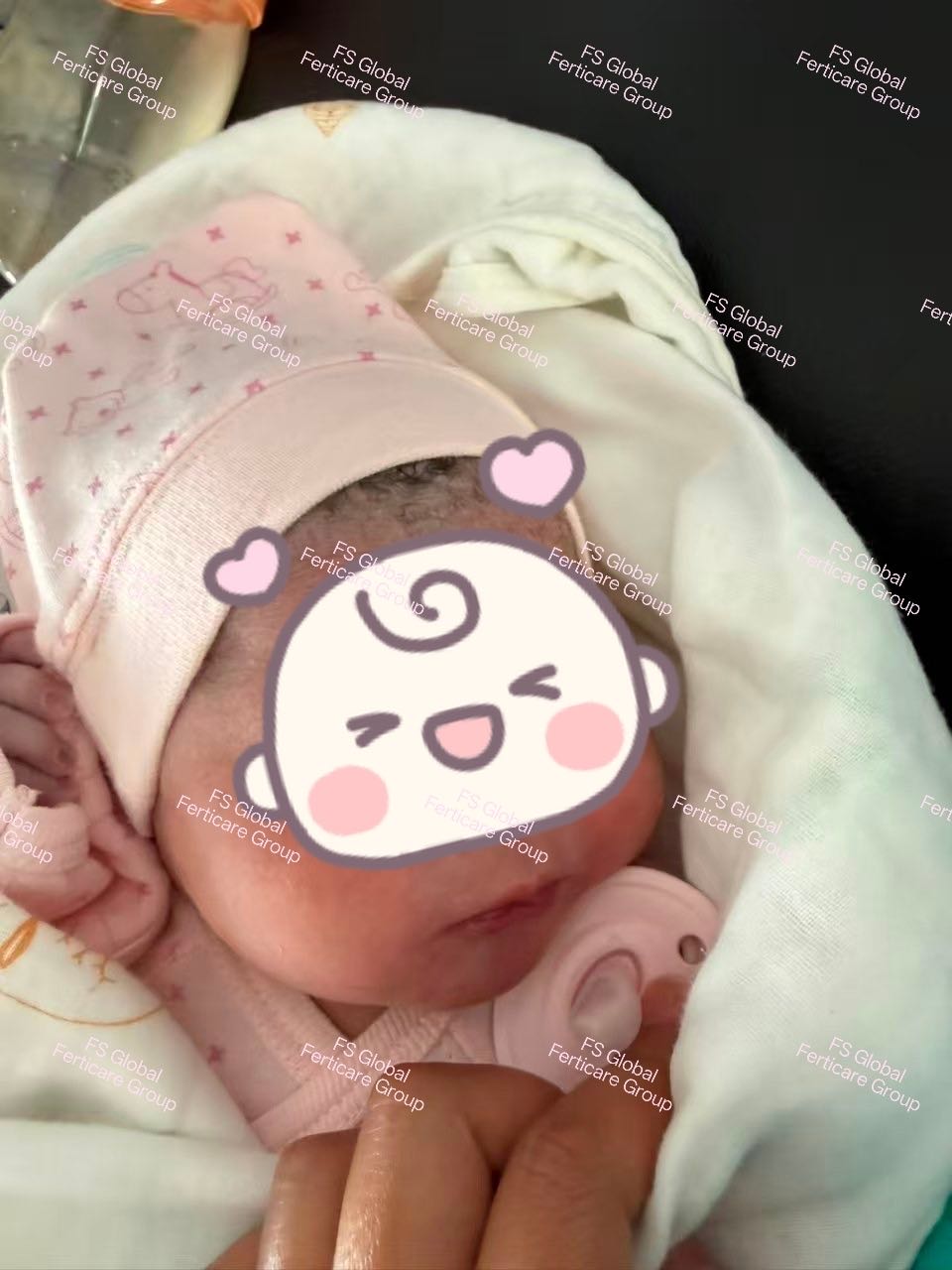
The baby was born on 20 July. The team had visited before delivery and remained in contact on the day of birth. The photographs cover the visit before delivery and the baby's arrival.
 4
4
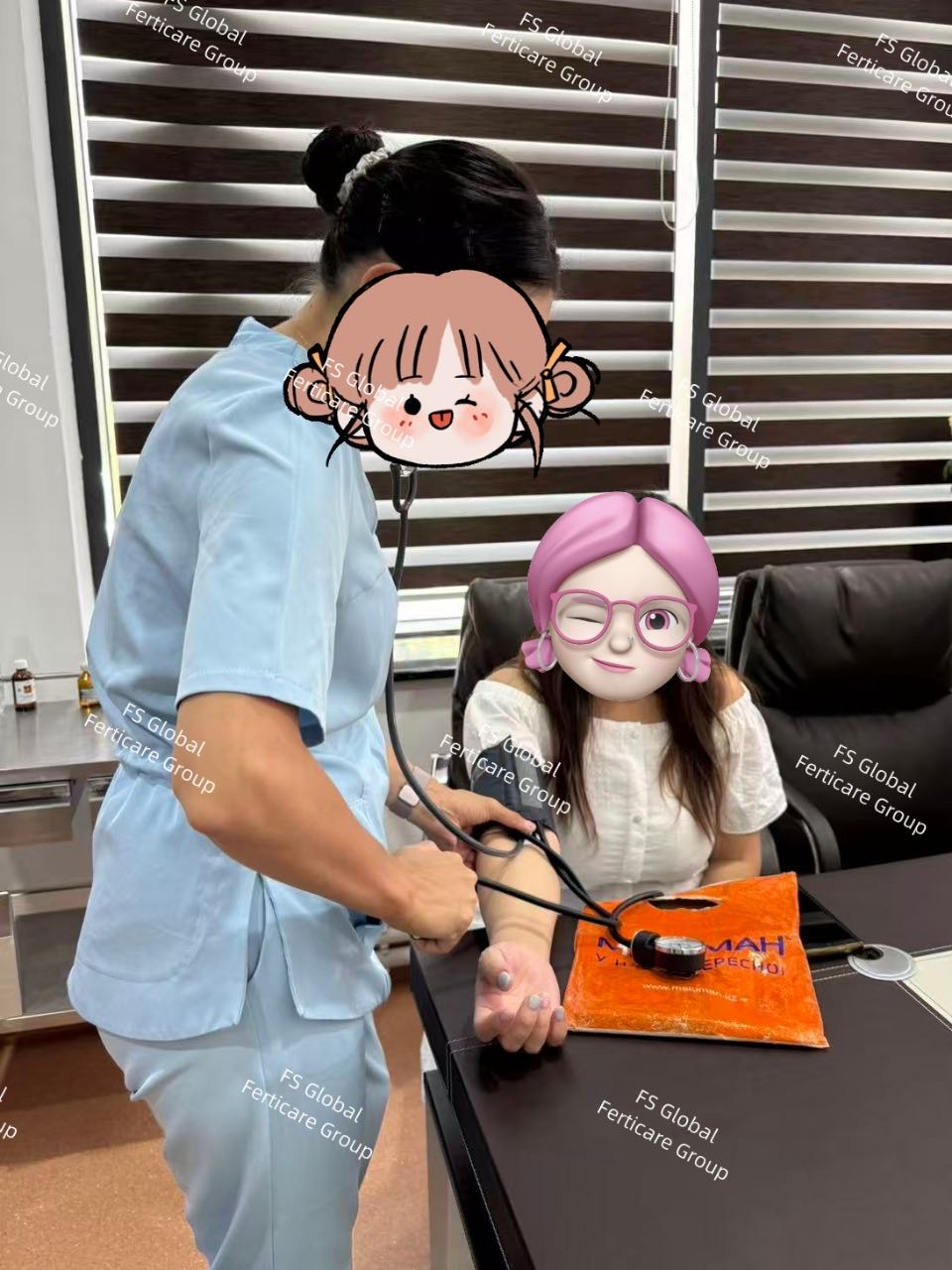
On 20 July, two pregnant participants attended separate appointments for registration, consultations and basic examinations. Staff helped organise the documents and noted the arrangements for later visits.
 1
1
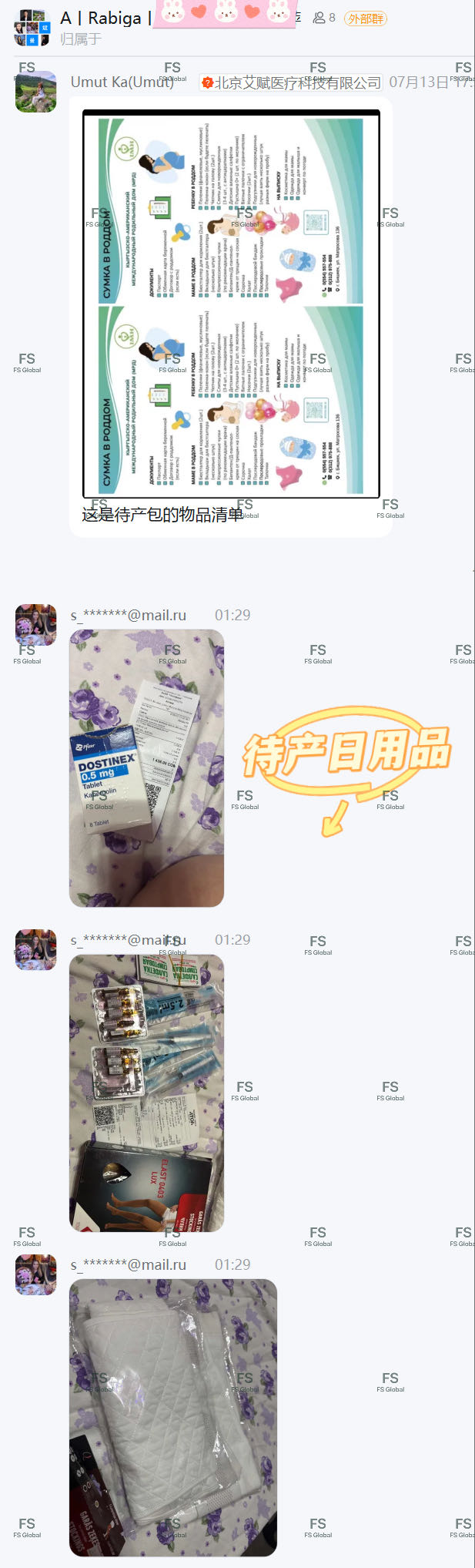
With delivery approaching, the maternity supplies are ready. Care products and items needed during the hospital stay have been gathered together, along with the medicines included in the arrangements for this stay.
 2
2
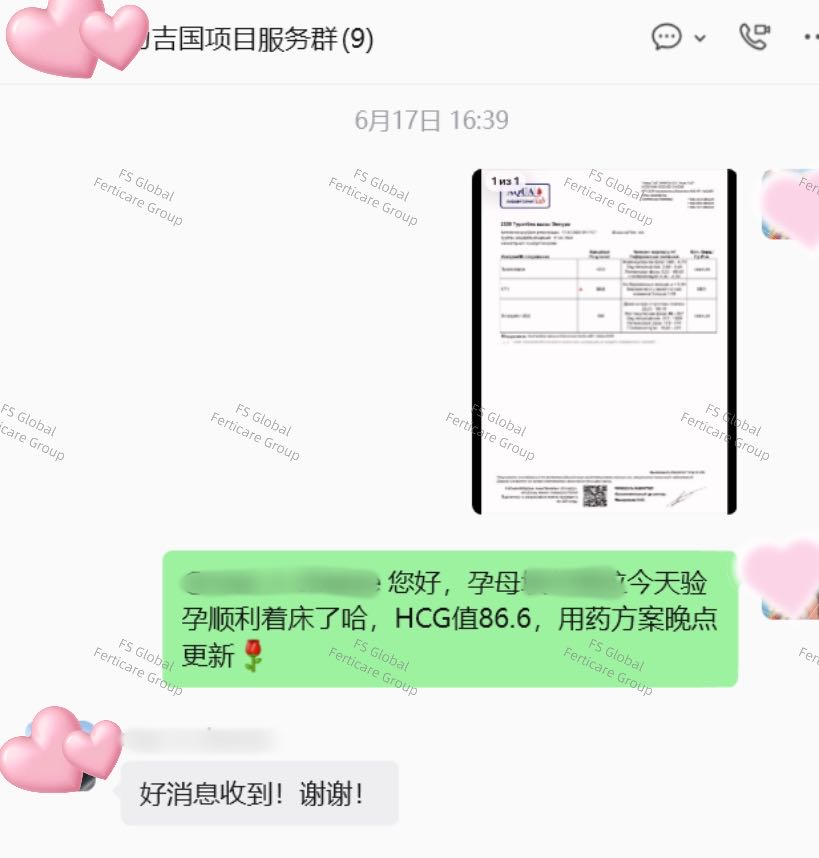
Staff received two pregnancy-test reports, shared each result with the relevant people and recorded the follow-up arrangements. Each report relates to its own examination.
 1
1
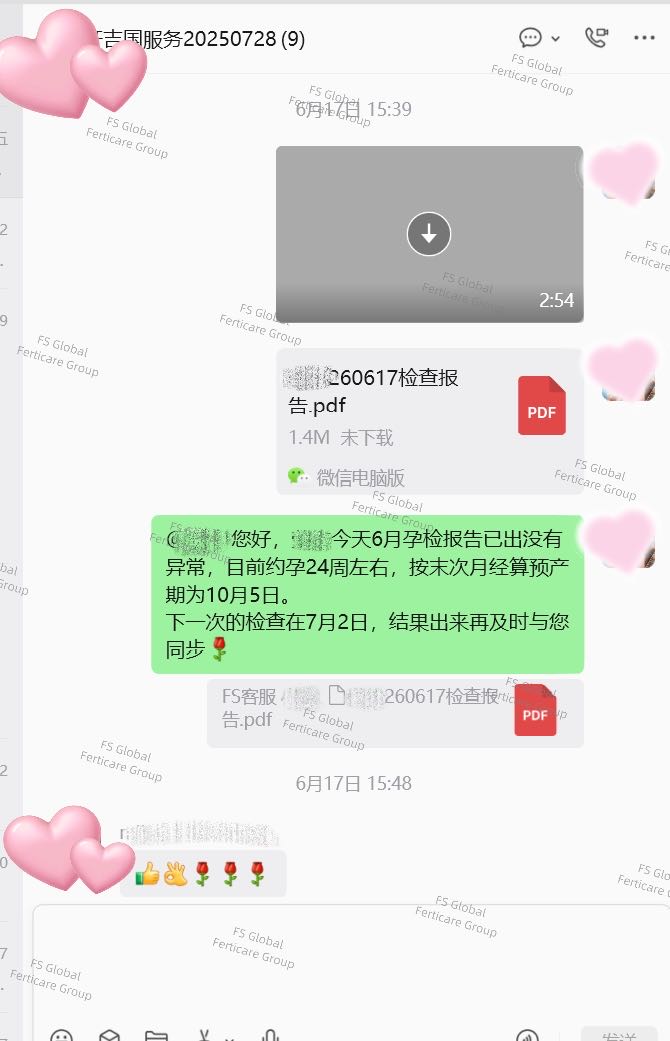
After receiving the records from the 24-week prenatal appointment, staff shared the examination information with the relevant people and discussed the arrangements for the next appointment.
 4
4
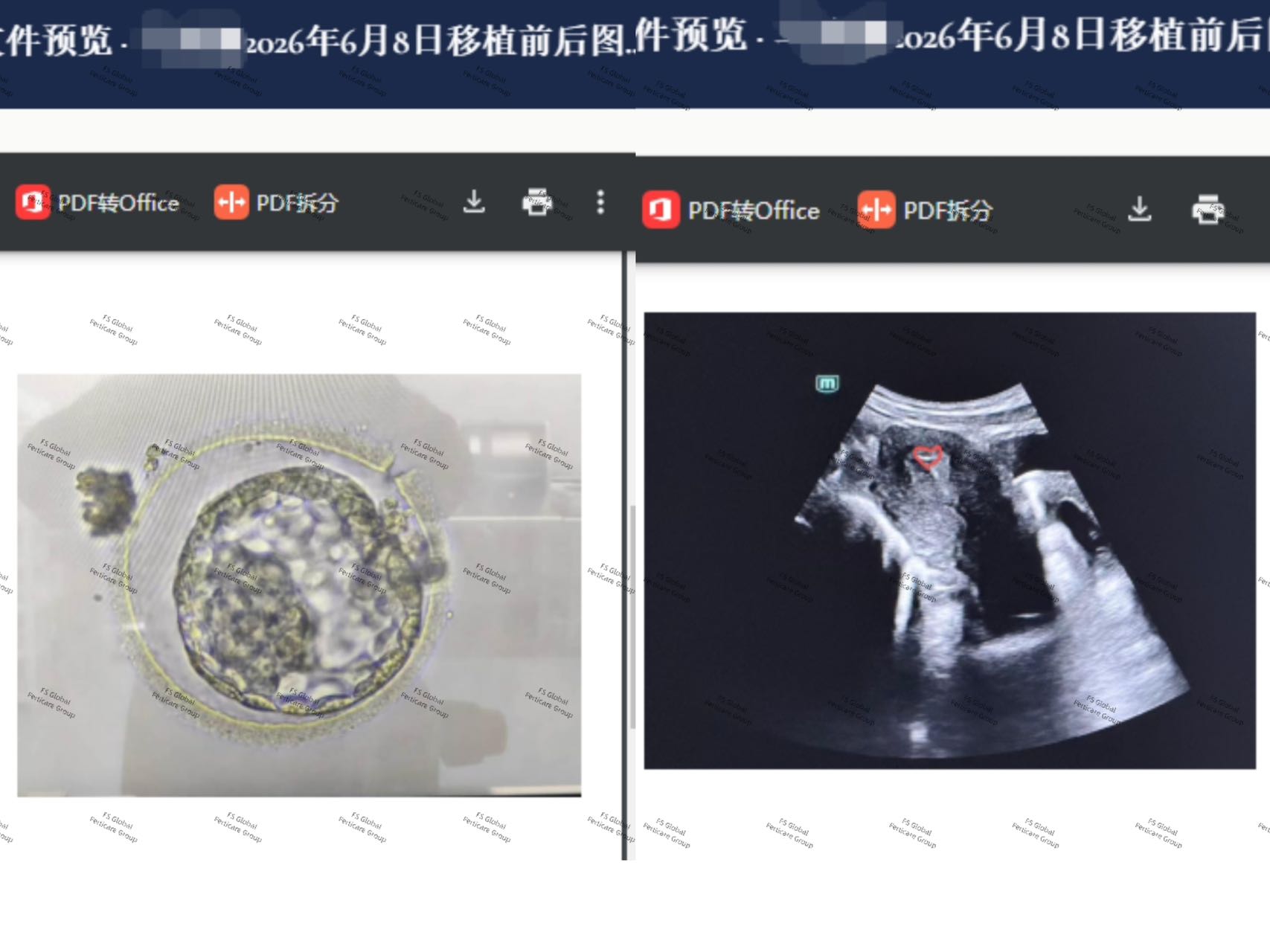
Between 17 June and 7 July, four blood-test reports and early-pregnancy ultrasound records were received after embryo transfer. The dates, HCG values and ultrasound annotation are listed chronologically below, alongside links to the supplied images.
 4
4
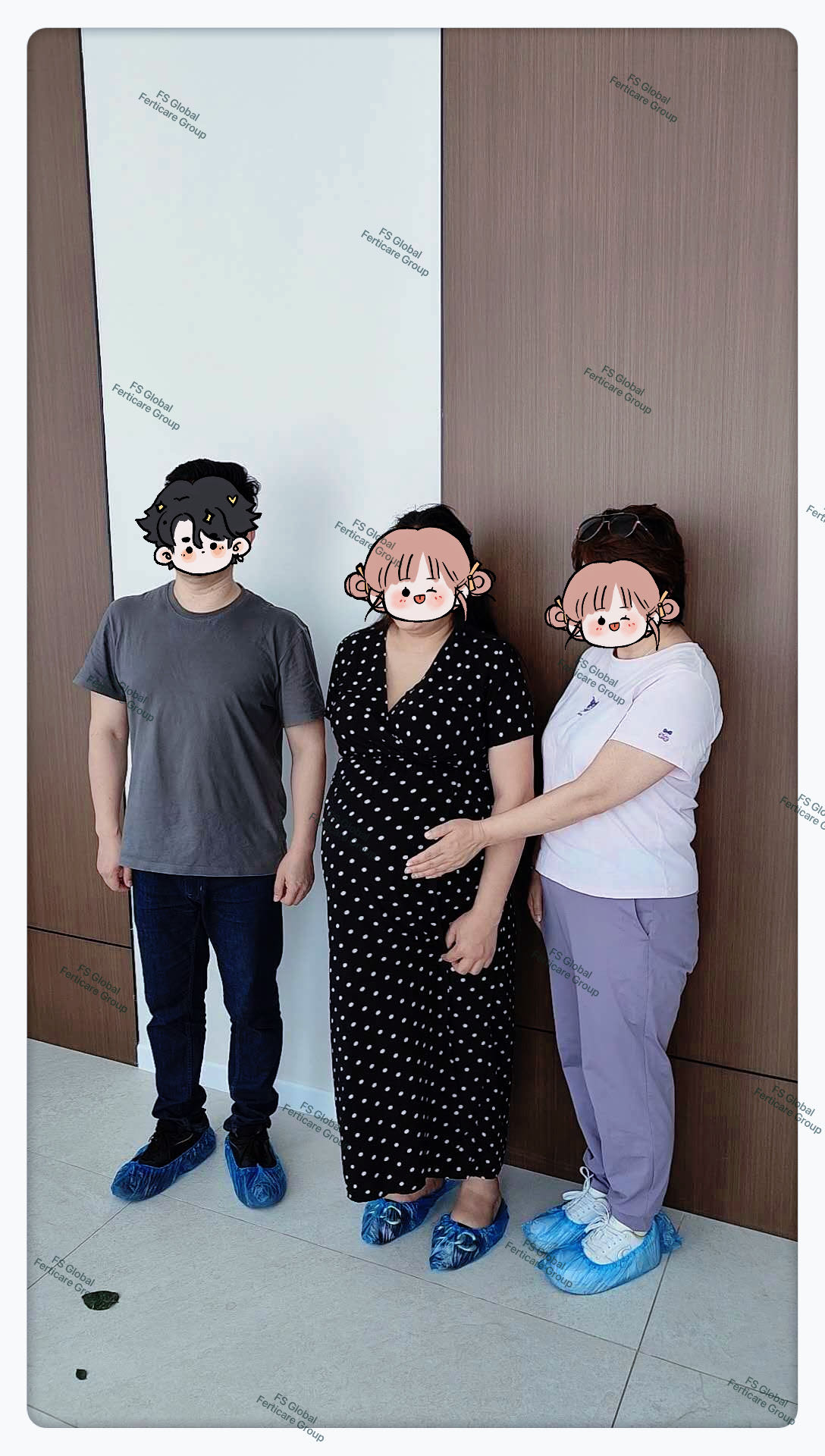
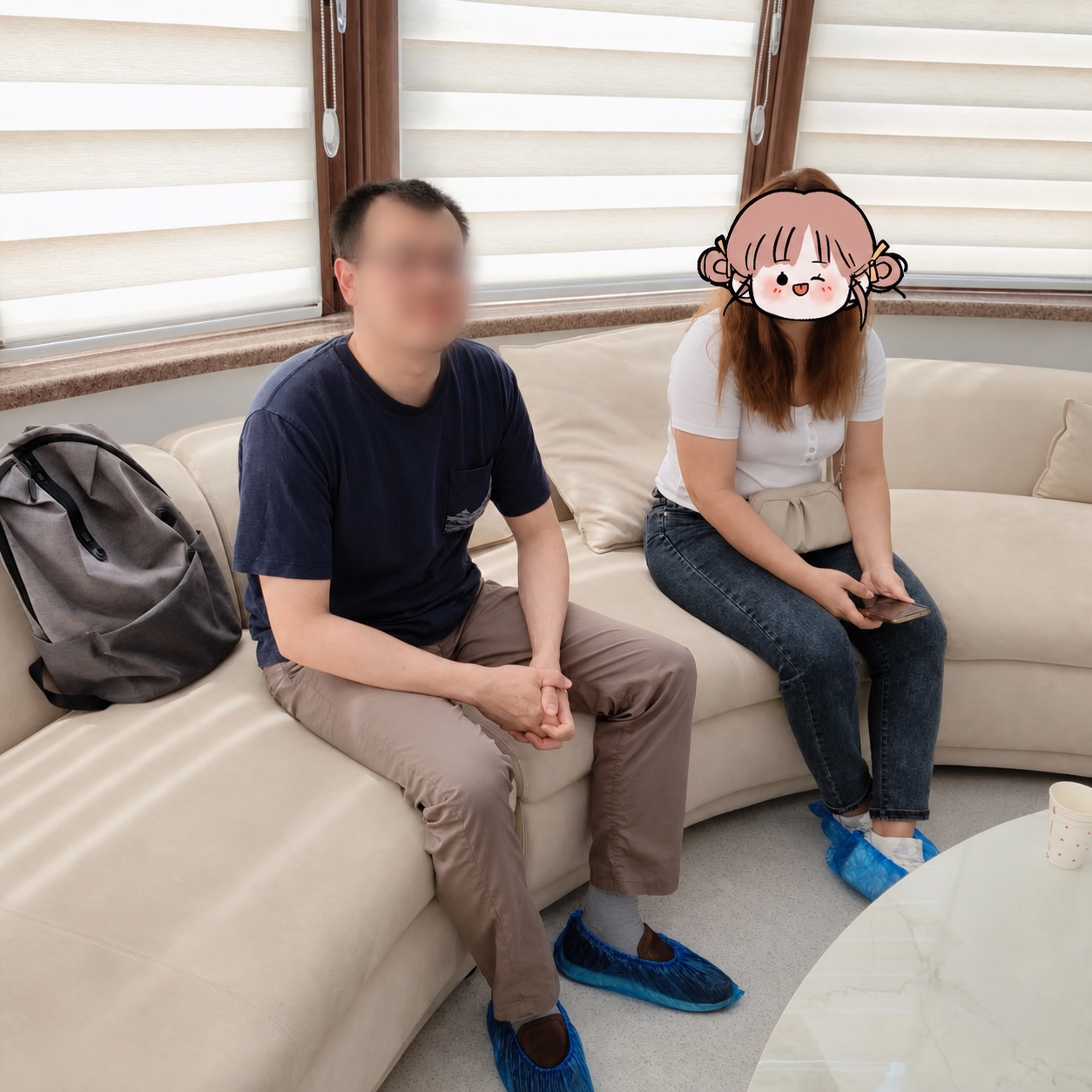
As delivery approached, the clients met the expectant mother in person, with staff helping with communication. They discussed her recent condition with the doctor and agreed on contact and hospital arrangements for the delivery period.
 4
4
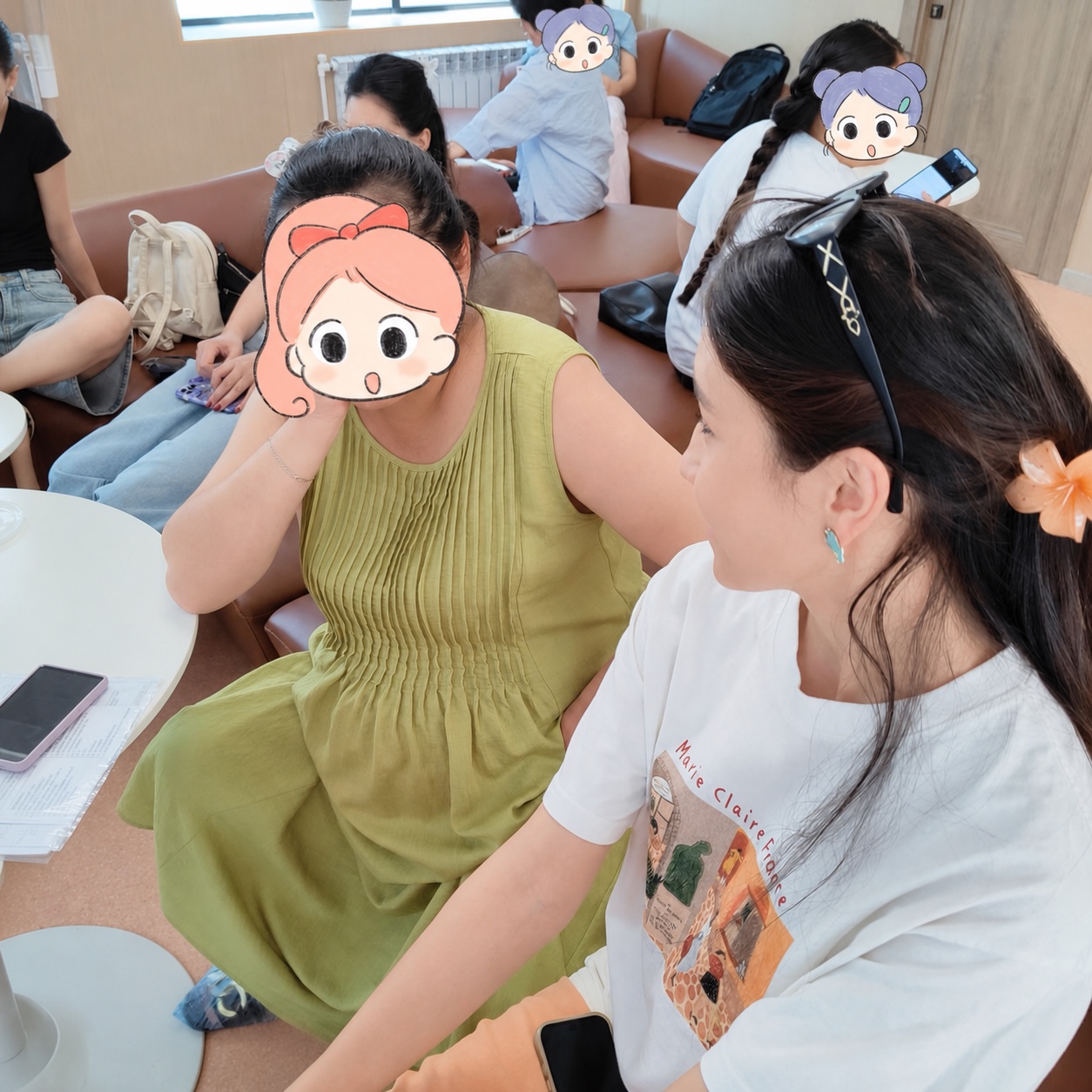
Staff accompanied the participant to a hospital in Bishkek, helped during the wait and assisted with communication. After the hospital completed the embryo transfer, staff accompanied the participant out and noted the doctor's follow-up instructions.
 4
4
Staff accompanied a pregnant participant to a prenatal appointment in Bishkek. After the examinations, they collected the documents and noted the next appointment time and materials requested by the hospital.
 4
4
Staff met the pregnant participant as arranged and talked about recent daily life and clinic visits. They also discussed everyday matters where she needed assistance.
No matching cases.