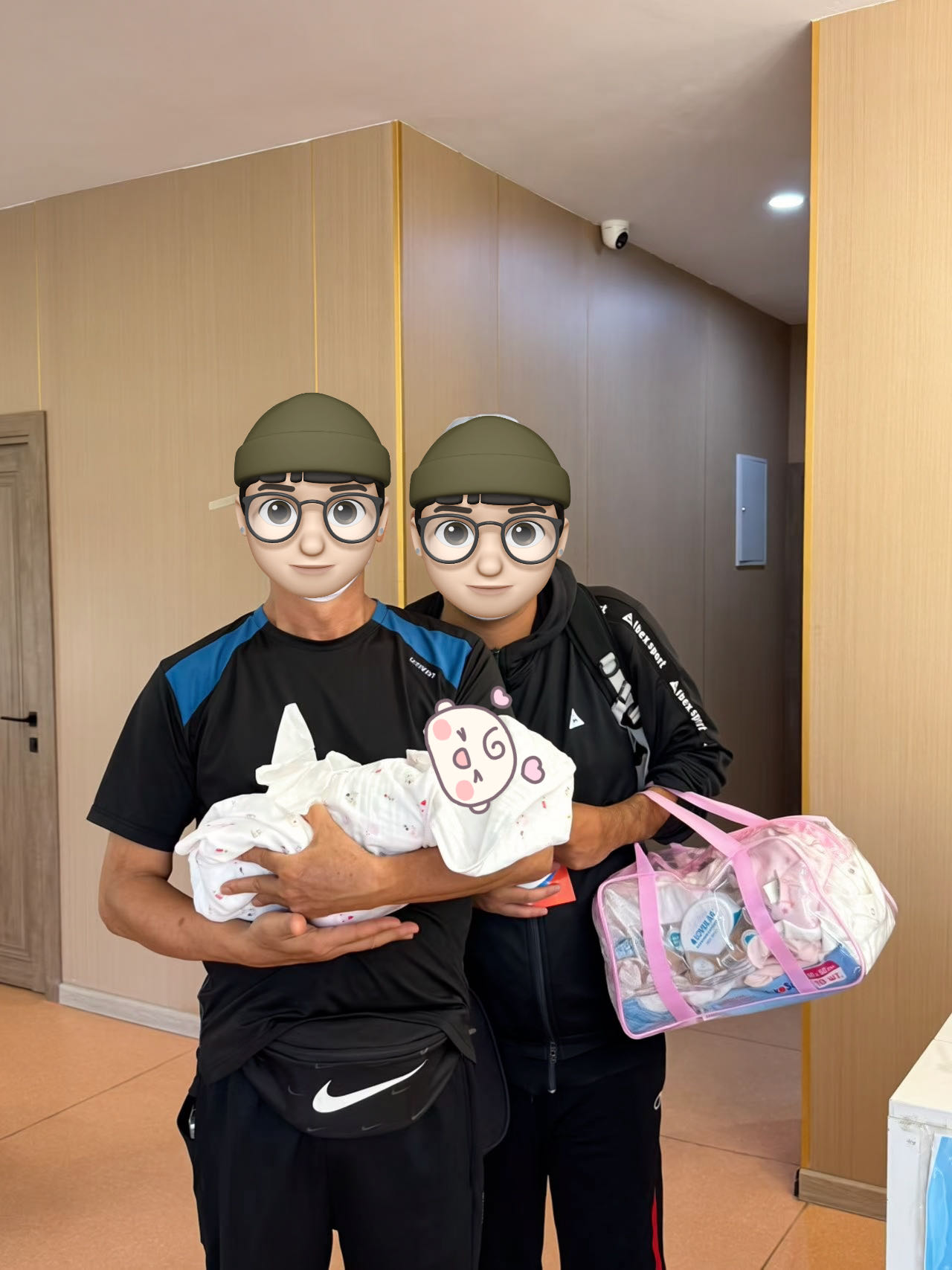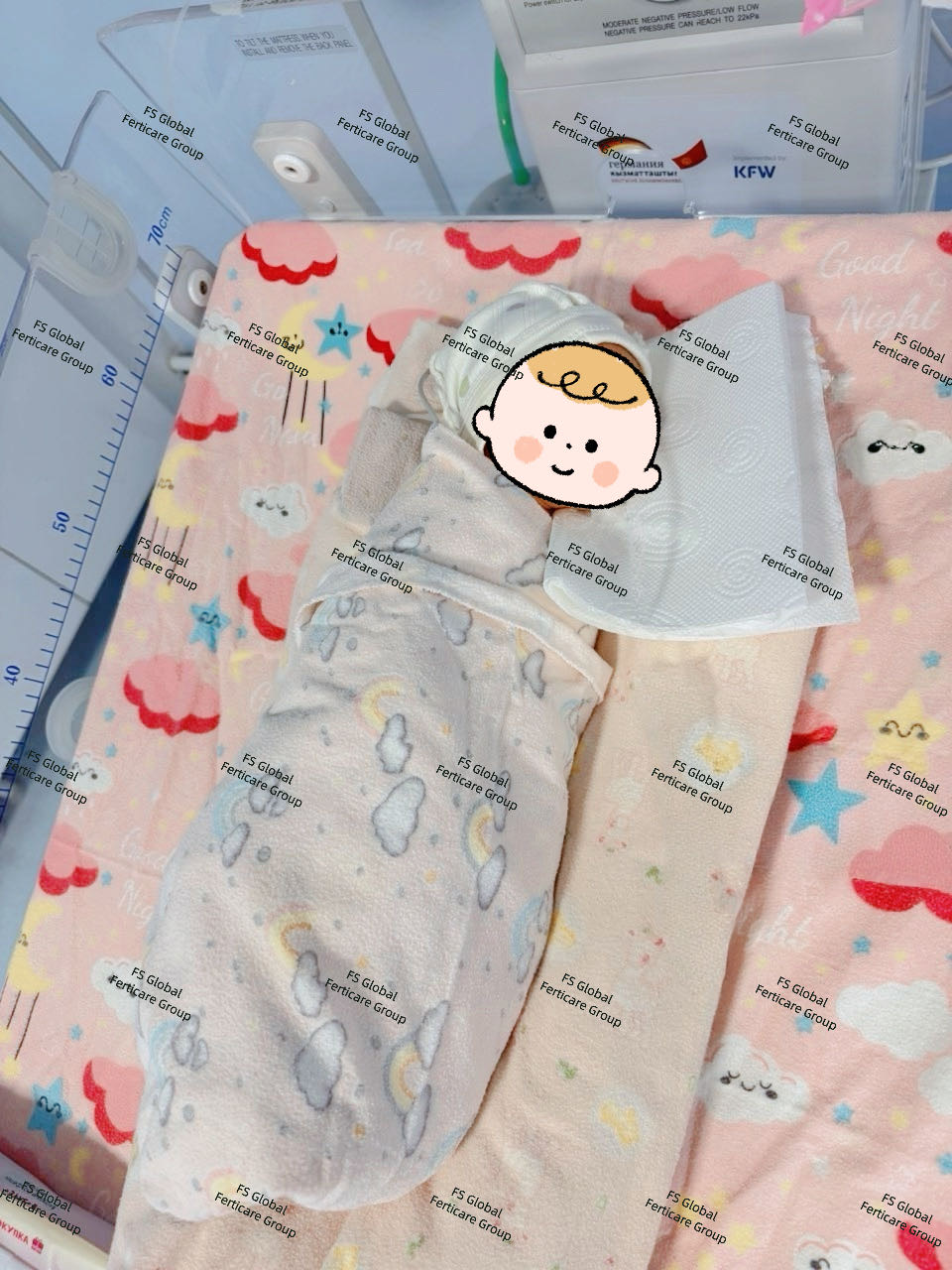
In the early hours of 6 October, news of the baby's birth reached the service group. The pregnant participant wrote that the baby had been born at 1:45 a.m. local time, and staff also shared the news with the client.
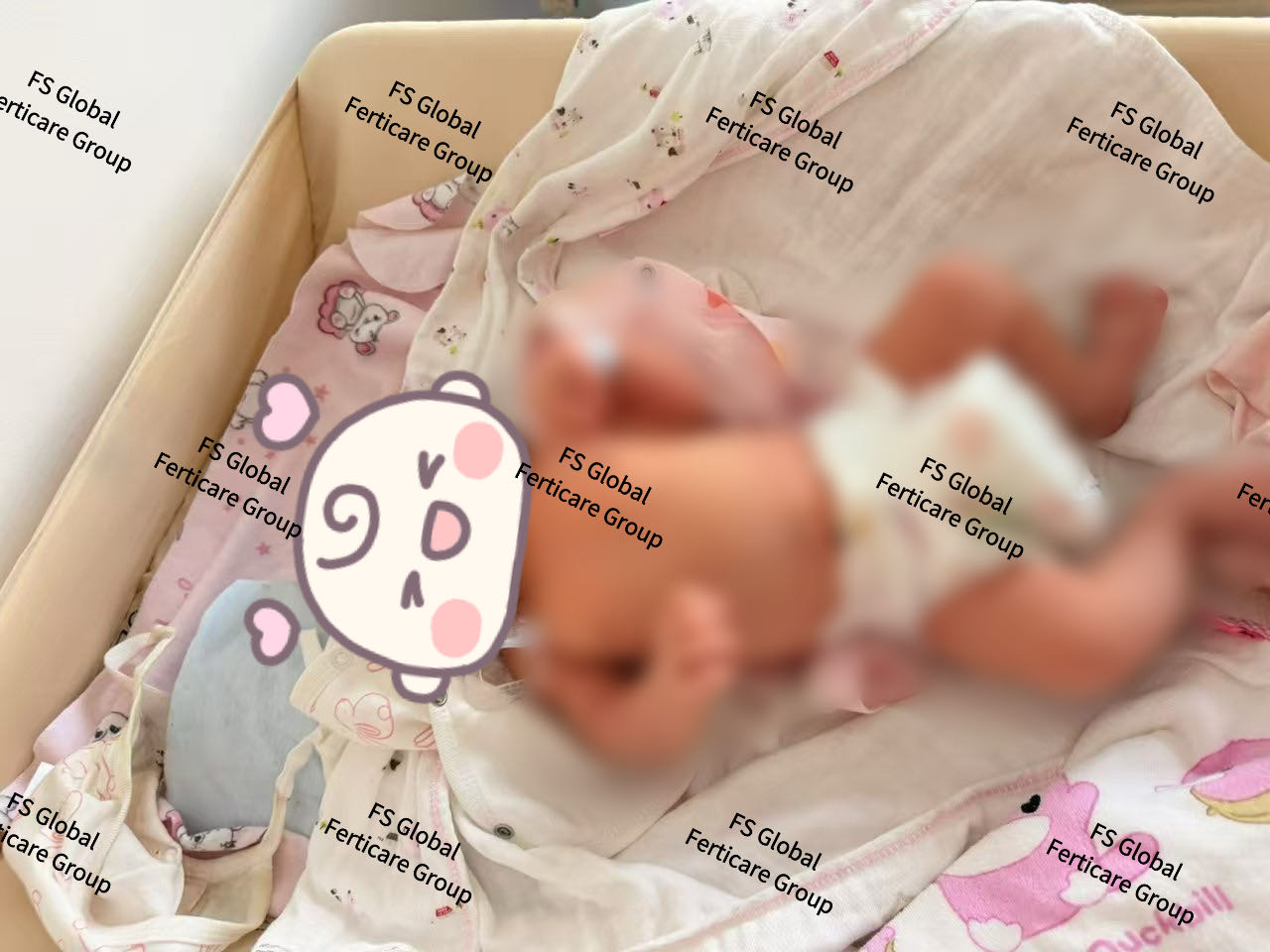
That night's messages continued from the delivery of supplies and updates from the hospital through to the birth announcement. Afterwards, the team discussed bringing the prepared baby supplies to the hospital and encouraged the participant to rest. Photographs from the ward show the baby lying in a bassinet.
Overnight birth updates and baby-supply delivery
Two message collages retain hospital contact, birth notifications and supply arrangements. The birth time follows the message’s explicit local-time wording; other times remain as displayed in the screenshots.
- Source of the birth time
- The Russian message in image 1 states 1:45 local time; the staff update in image 2 also gives 1:45
- Screenshot clocks
- The birth message in image 1 appears beside 4:01; the client update in image 2 beside 04:06. Device time zones are not shown
Different tasks recorded that night
- Initial supplies2
Needed items reported as sent
At the upper left of image 2, the 01:28 message says the needed items have been taken over. The exchange continues with confirmation of the hospital situation.
- Birth notification1 2
Updates to the group and client
Image 1 retains the participant’s Russian birth announcement. The right side of image 2 contains the staff notification to the client.
- Baby supplies2
Arranging a further delivery from the accommodation
The 04:06 message in image 2 asks for the baby items prepared by the clients. The 09:29 message says the sender is now going to the hospital with the baby supplies, recording departure arrangements.
Two questions about this overnight exchange
Why does the message show after 4 am if the birth was at 1:45?
The original message explicitly identifies 1:45 as the local birth time. The screenshots display 4:01 and 04:06 beside messages, without device time zones. These are retained separately and are not used to calculate a notification delay.
What was being sent after some items had already been delivered?
The 01:28 message in image 2 says the items needed at that stage had been taken over. The later 04:06 and 09:29 messages concern baby supplies separately prepared by the clients. These are different supply exchanges, with no itemised list or receipt for the 09:29 delivery shown.
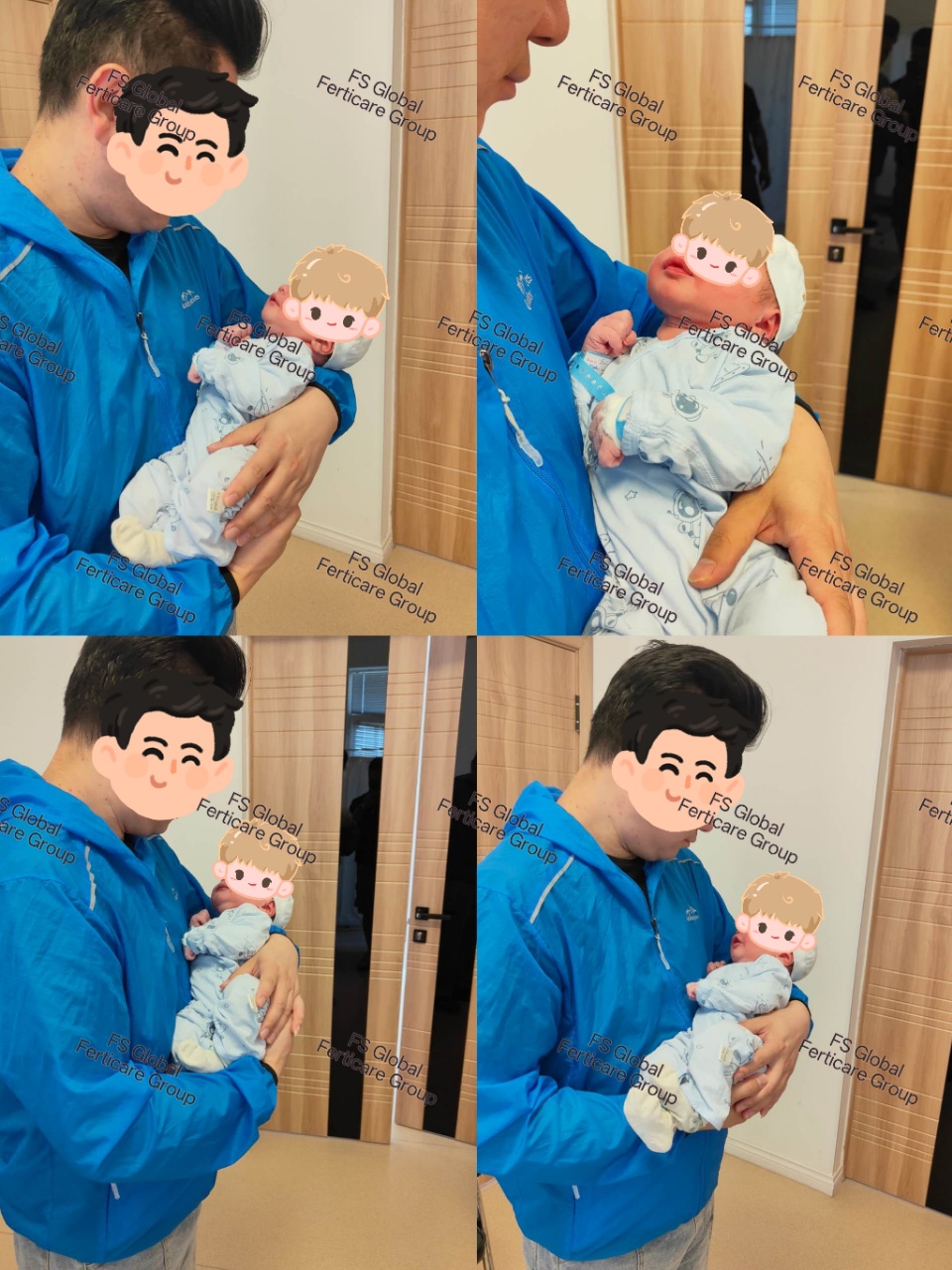
Record endpoint:The record reaches the birth notifications, further supply arrangements and two ward photos of the baby (images 3 and 4). Departure, delivery and receipt remain distinct checkpoints.
Tap a photo to enlarge
Photographs after the baby's birth
2 photosMessages from that night
2 photosPrivacy and scope
Cases publish only information relevant to the service process. Contact details, identity documents and full medical records are not shown. Clinical providers issue medical conclusions; FS handles service coordination and information flow.
Documents and follow-up at this stage
Scope of this record:The record ends with the overnight birth update and communication about baby supplies on 6 October.
General preparation
Organise overnight birth updates and supply deliveries by local time and source so relatives in other time zones can follow the sequence. File subsequent hospital birth records, care instructions and discharge plans separately. Label delivery-of-supplies times independently from the birth time in medical records.