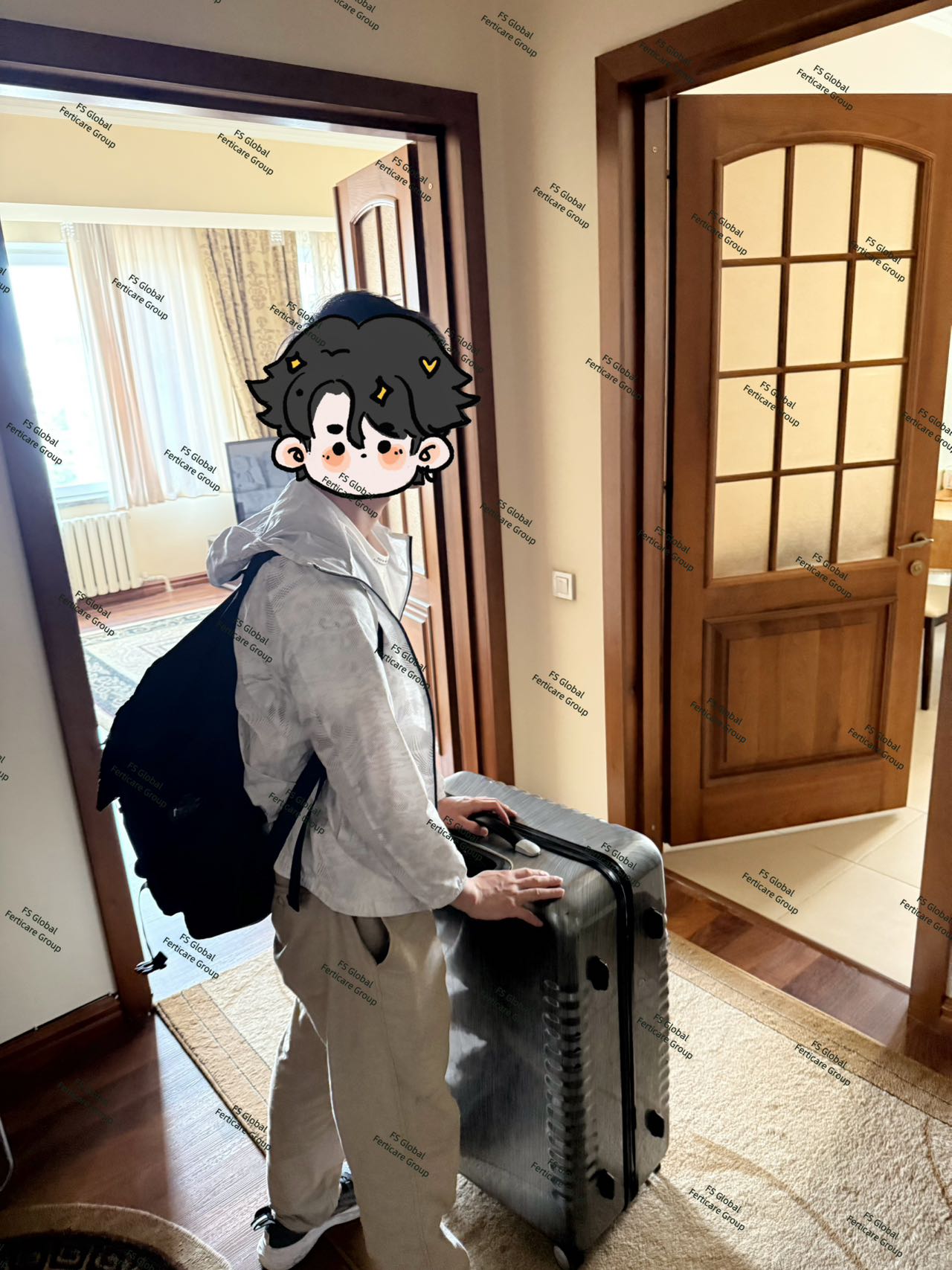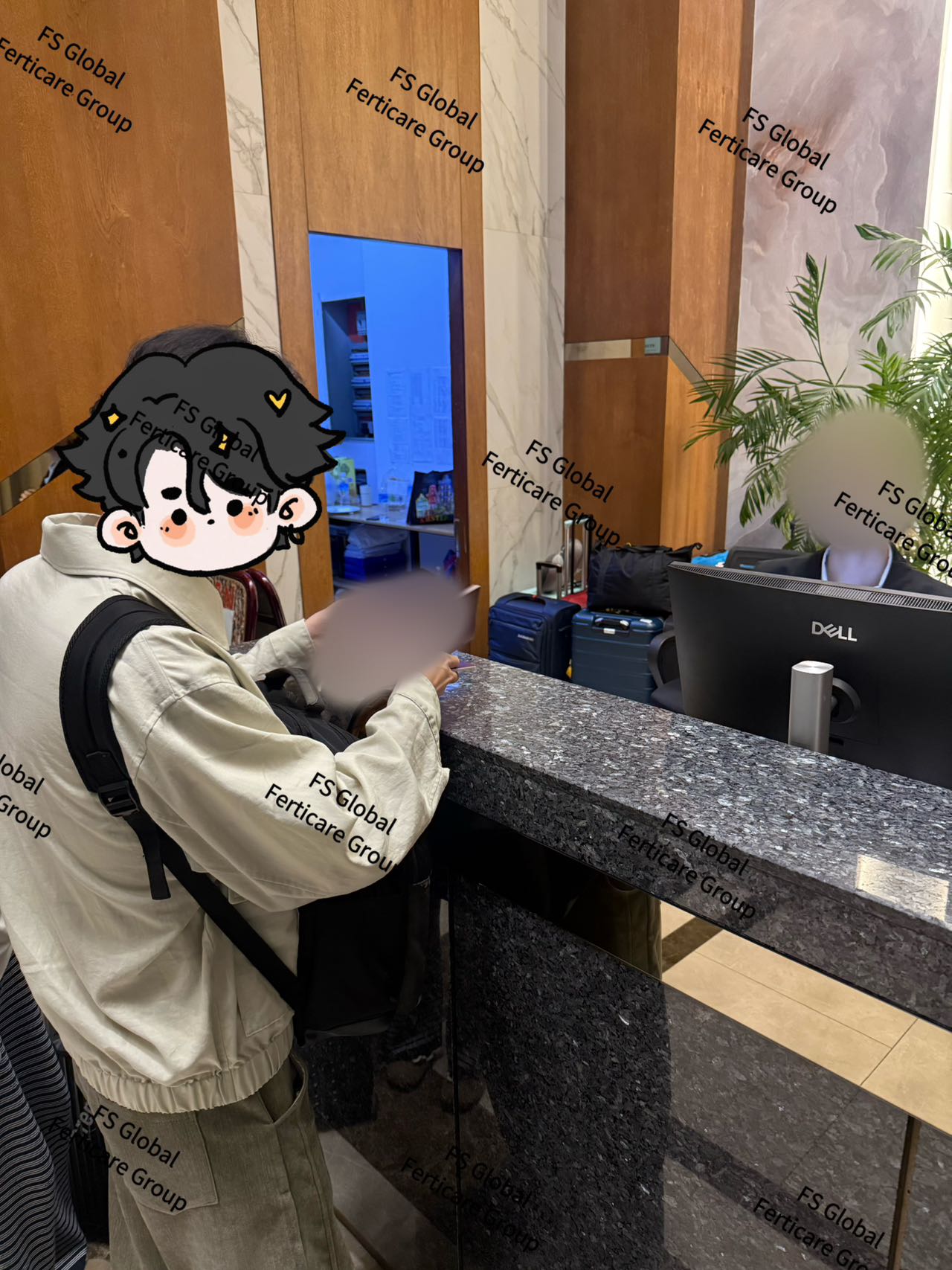
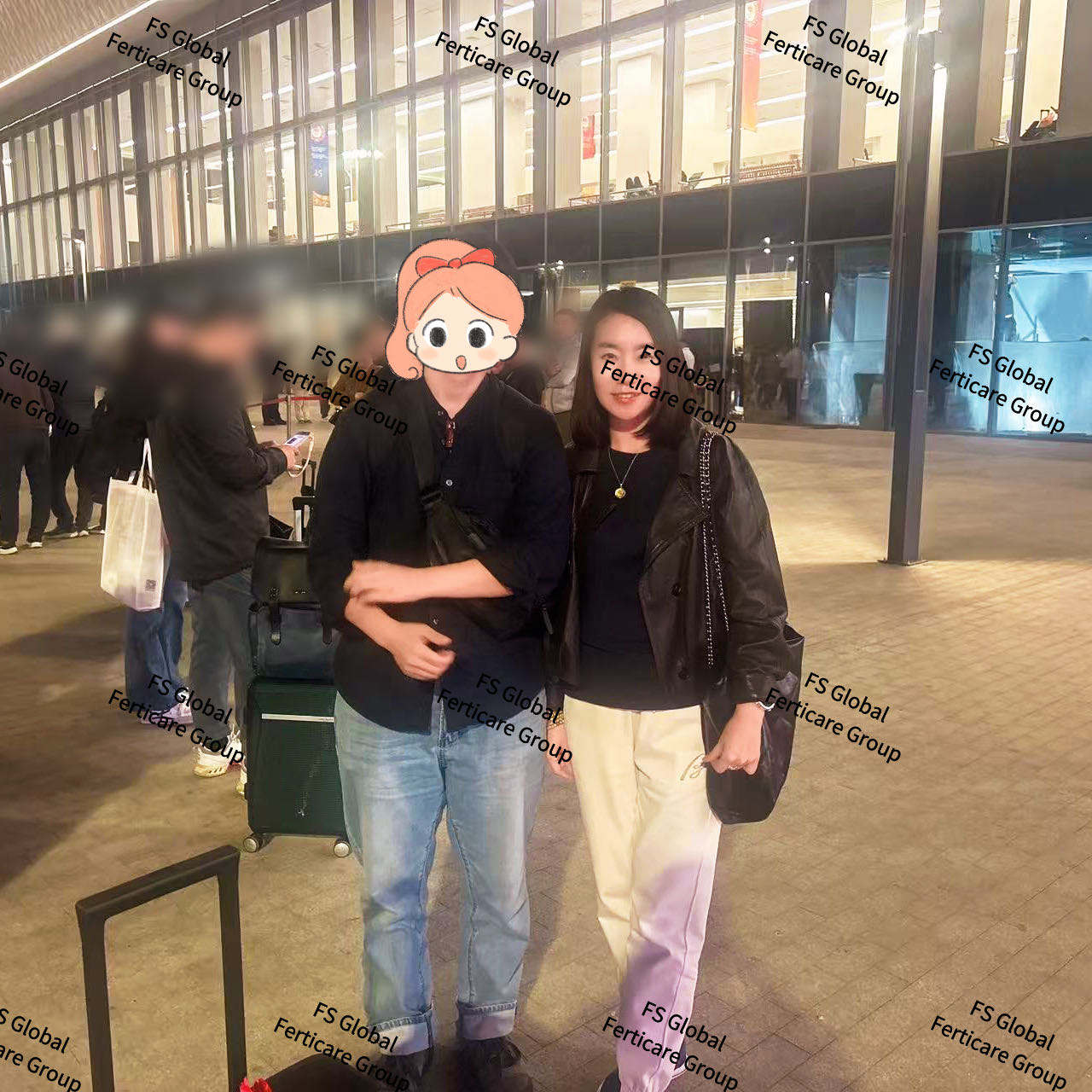
On 27 September, staff met the client at Bishkek airport and accompanied them to their accommodation. Travel arrangements had been discussed in advance, and the next day's clinic appointment was agreed that day.
Pre-departure checks and the next clinic visit
Image 1 retains the checklist sent before departure. Image 4 retains the exchange about the next day’s clinic visit after pickup. The two on-site photos show the airport meeting and hotel reception.
- Travel documents
- This message lists a passport, identity card, apostille documents, a printed e-visa and medical instructions in Russian
- Next-day arrangement
- The client asks when to attend the hospital; the visible reply says “tomorrow morning, 9:30”
Travel reminders and the clinic arrangement
- Before departure1
Documents, connectivity and clothing
Alongside documents, image 1 recommends activating international roaming for 1–2 days and bringing autumn outerwear, trousers and sanitary supplies. The client later reports boarding.
- After arrival2 3 4
Airport, hotel and the next appointment
Image 2 shows the airport meeting and image 3 the hotel reception. Image 4 confirms that the parties have met, then replies with 9:30 the following morning for hospital attendance.
Questions around this journey
What did this pre-departure reminder cover?
Image 1 separates documents, connectivity, pickup coordination and clothing or supplies. These are excerpts from this particular journey. Document requirements for other clients need to follow their own medical and administrative arrangements.
Was a time agreed for the next day’s hospital visit?
Yes. In image 4 the client asks what time to attend and which examinations are planned. The visible reply gives “tomorrow morning, 9:30”; a reply listing the examinations is not shown.
Record endpoint:The record reaches arrival, hotel check-in and an agreed time for the next hospital visit. The actual examinations have a separate record.
Tap a photo to enlarge
Airport meeting and accommodation
4 photosPrivacy and scope
Cases publish only information relevant to the service process. Contact details, identity documents and full medical records are not shown. Clinical providers issue medical conclusions; FS handles service coordination and information flow.